Skip to content

Cart

Your cart is empty

Lactation & Postpartum

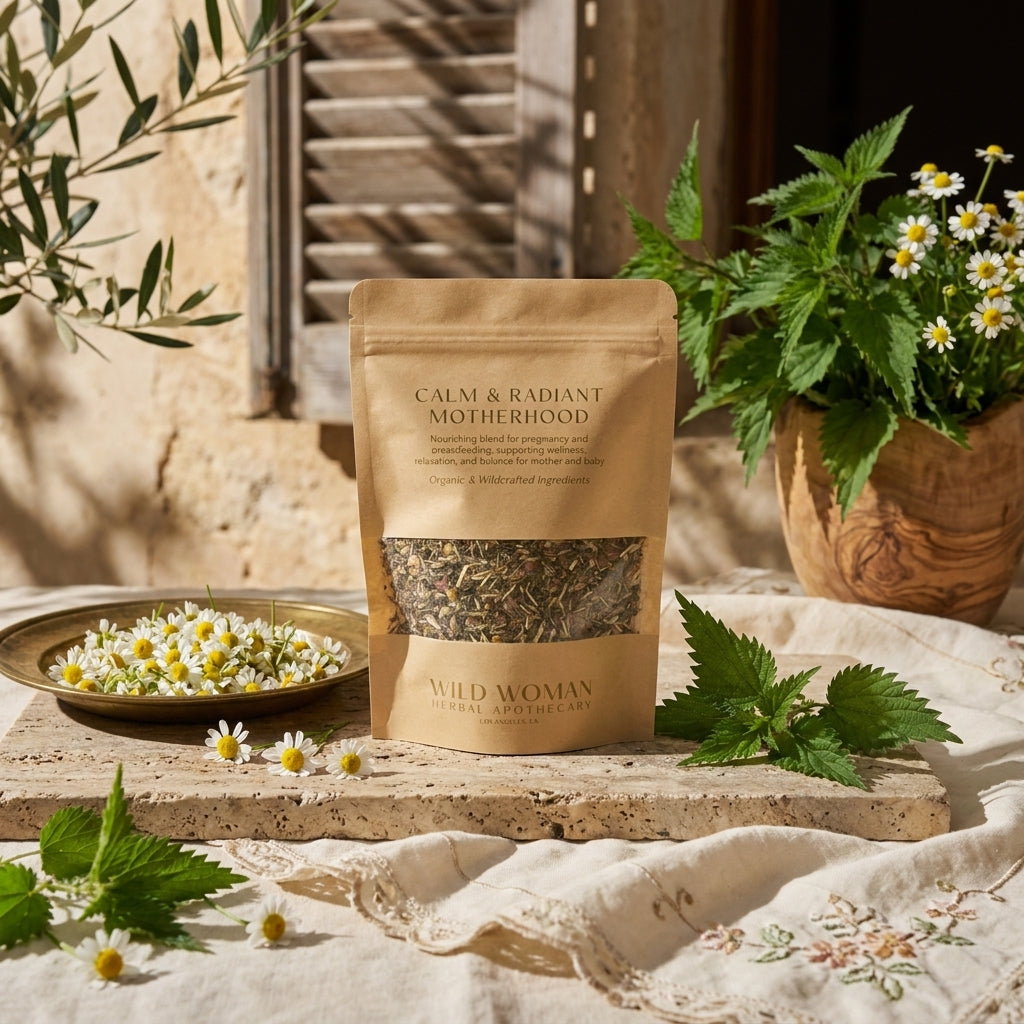
Calm & Radiant Motherhood Tea

herbal support for breastfeeding mothers

Sale price$20.00

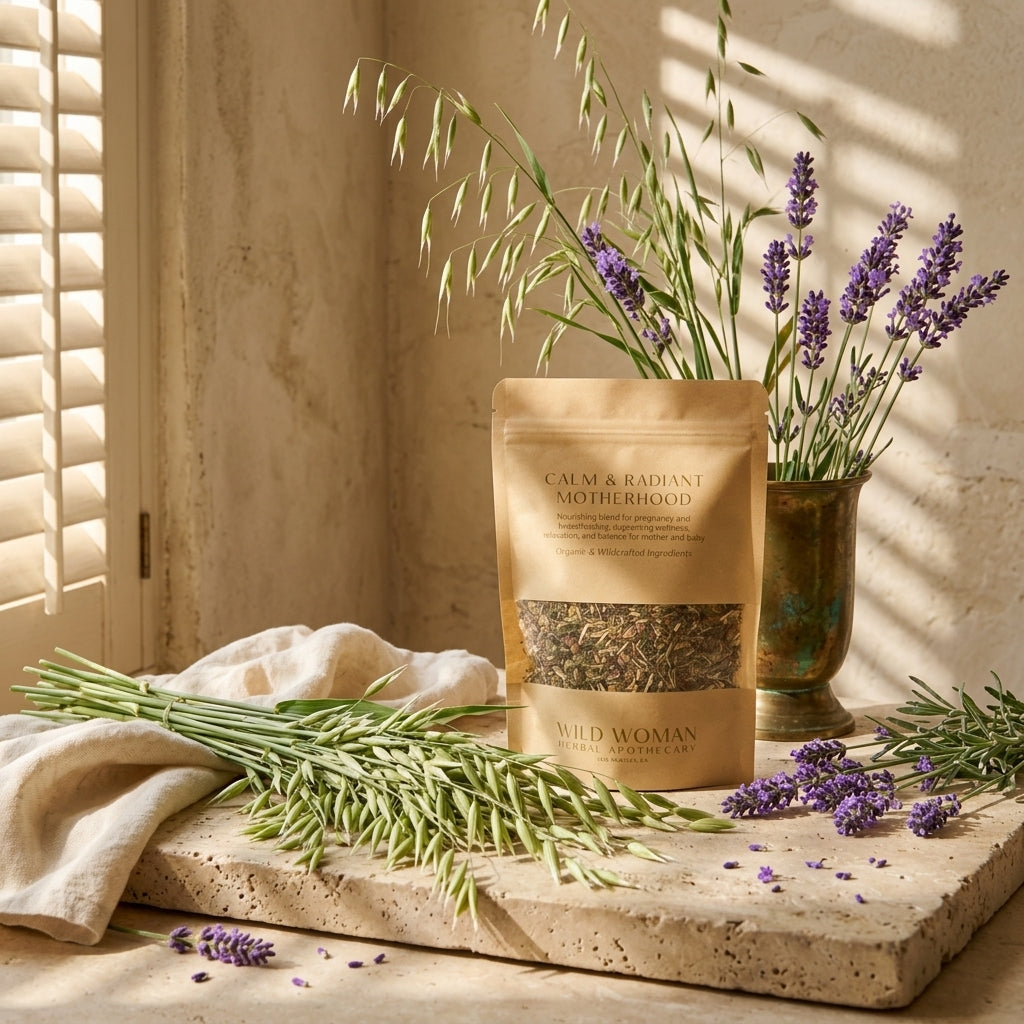
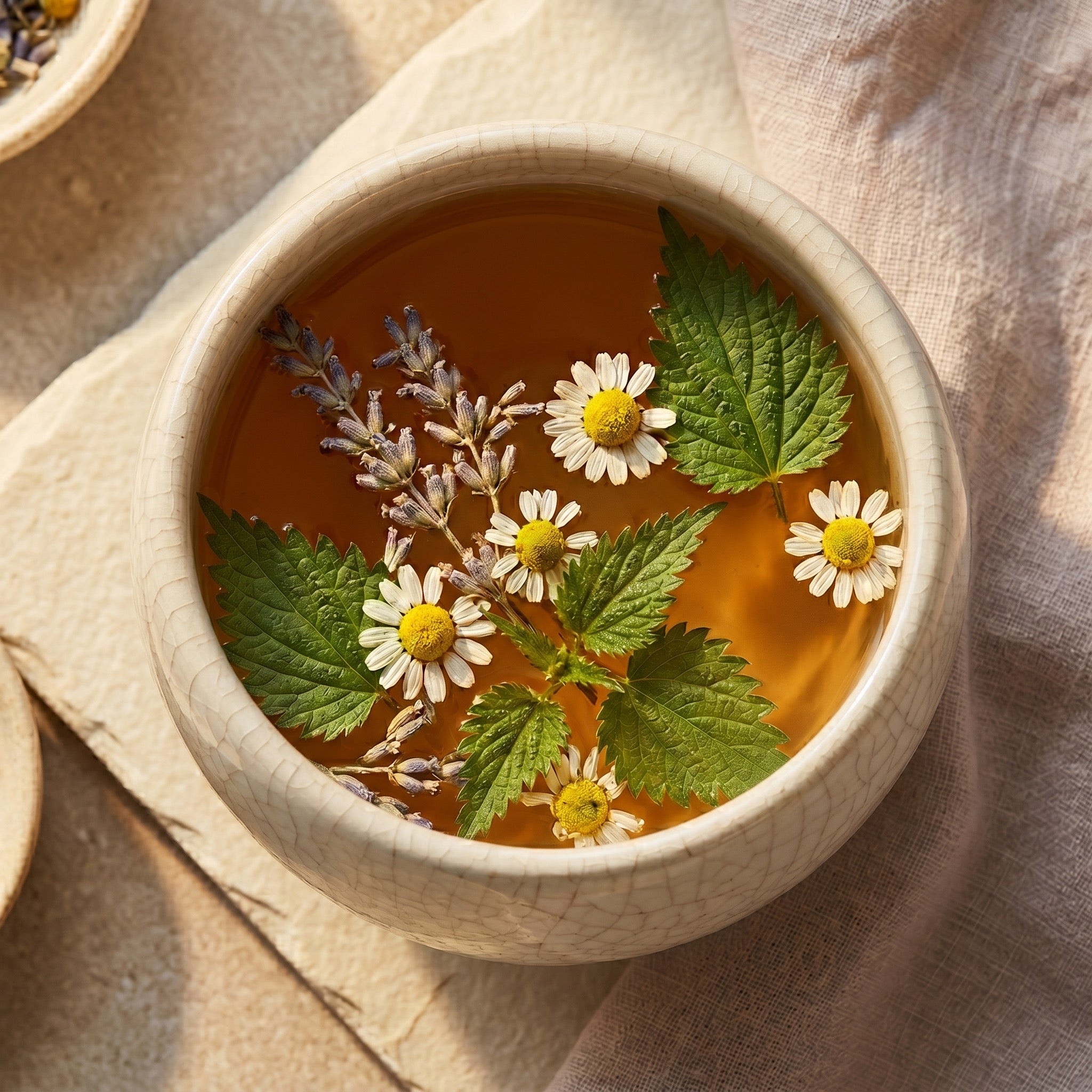
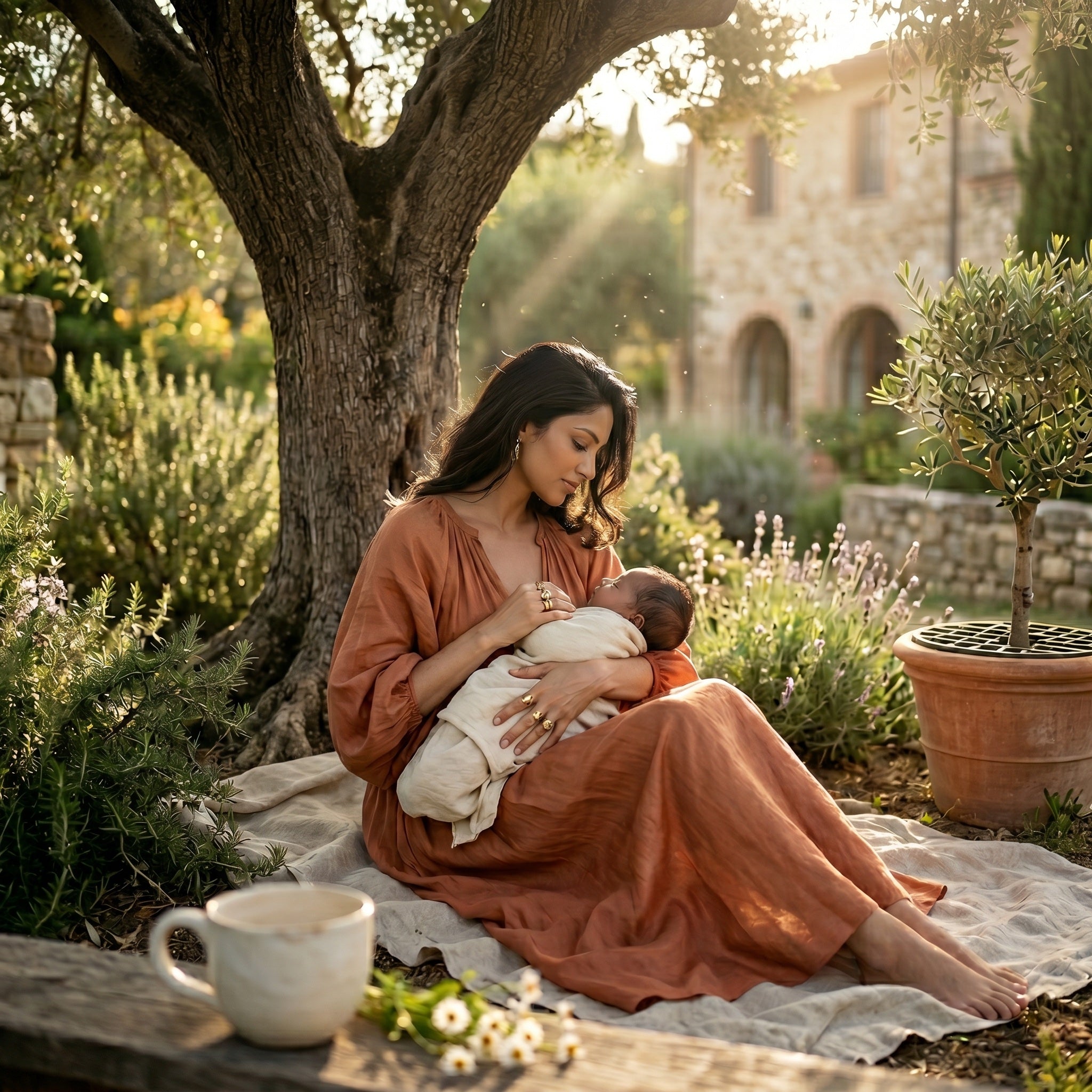
The weeks after birth ask more of the body than almost anything else. This tea was made for that season, for the new mother who is giving everything and needs something to quietly replenish her. Nettle, raspberry leaf, fennel, oat straw, chamomile, lavender. Plants women have brewed for generations of new motherhood, gathered in the same slow tradition.

floral · mildly sweet · earthy warmth · gentle fennel finish · made for the quiet morning

Calm & Radiant Motherhood Tea
Calm & Radiant Motherhood Tea Sale price$20.00

Calm & Radiant Motherhood

PRODUCT DETAILS

The Plants

This formula was built around a single question: what does a new mother need most in the weeks after birth? Not stimulation. Not a quick fix. Replenishment. The deep, slow kind that comes from plants that have been tending to women in this season for centuries.

Nettle and oat straw carry the mineral nourishment the body loses in birth and demands through breastfeeding. Raspberry leaf supports the work of restoration. Fennel addresses the digestive ease that gets overlooked when all attention turns outward toward the baby. Chamomile and lavender offer what the nervous system asks for but rarely receives in early motherhood: genuine quiet.

Together, these six plants approach a new mother the way a good midwife does. They see the whole of what she is navigating, not just one part of it.

Tasting Notes

Tasting Notes

floral · mildly sweet · earthy warmth · gentle fennel finish

Ritual Moment

Ritual Moment

morning · quiet afternoon · evening wind-down

Season of Life

Season of Life

postpartum · the fourth trimester

Energetics

Energetics

deeply nourishing · softening
Tasting Notes

Tasting Notes

floral · mildly sweet · earthy warmth · gentle fennel finish

Ritual Moment

Ritual Moment

morning · quiet afternoon · evening wind-down

Season of Life

Season of Life

postpartum · the fourth trimester

Energetics

Energetics

deeply nourishing · softening
Nettle Leaf

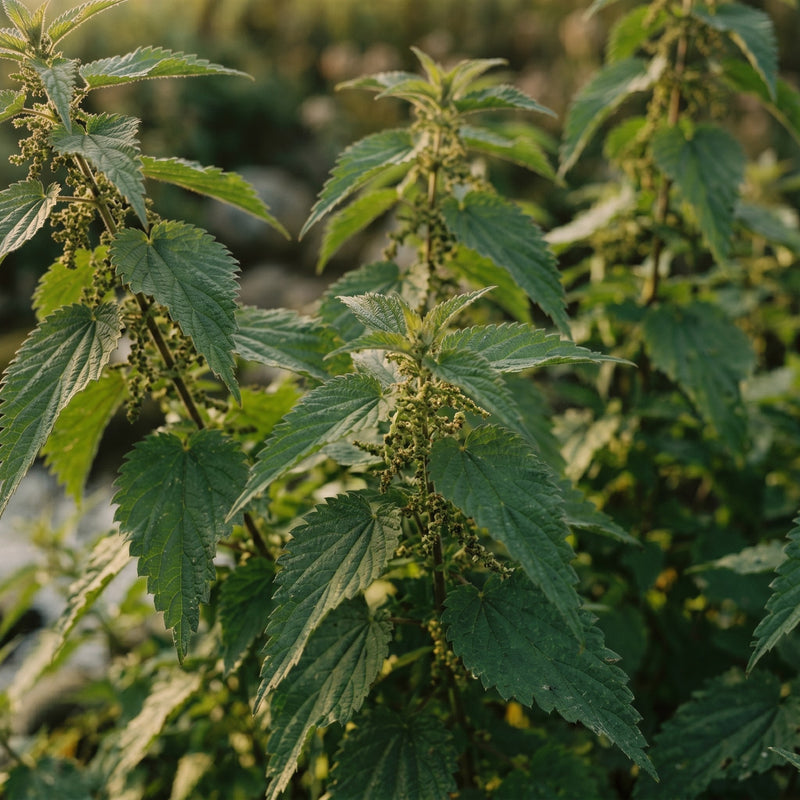
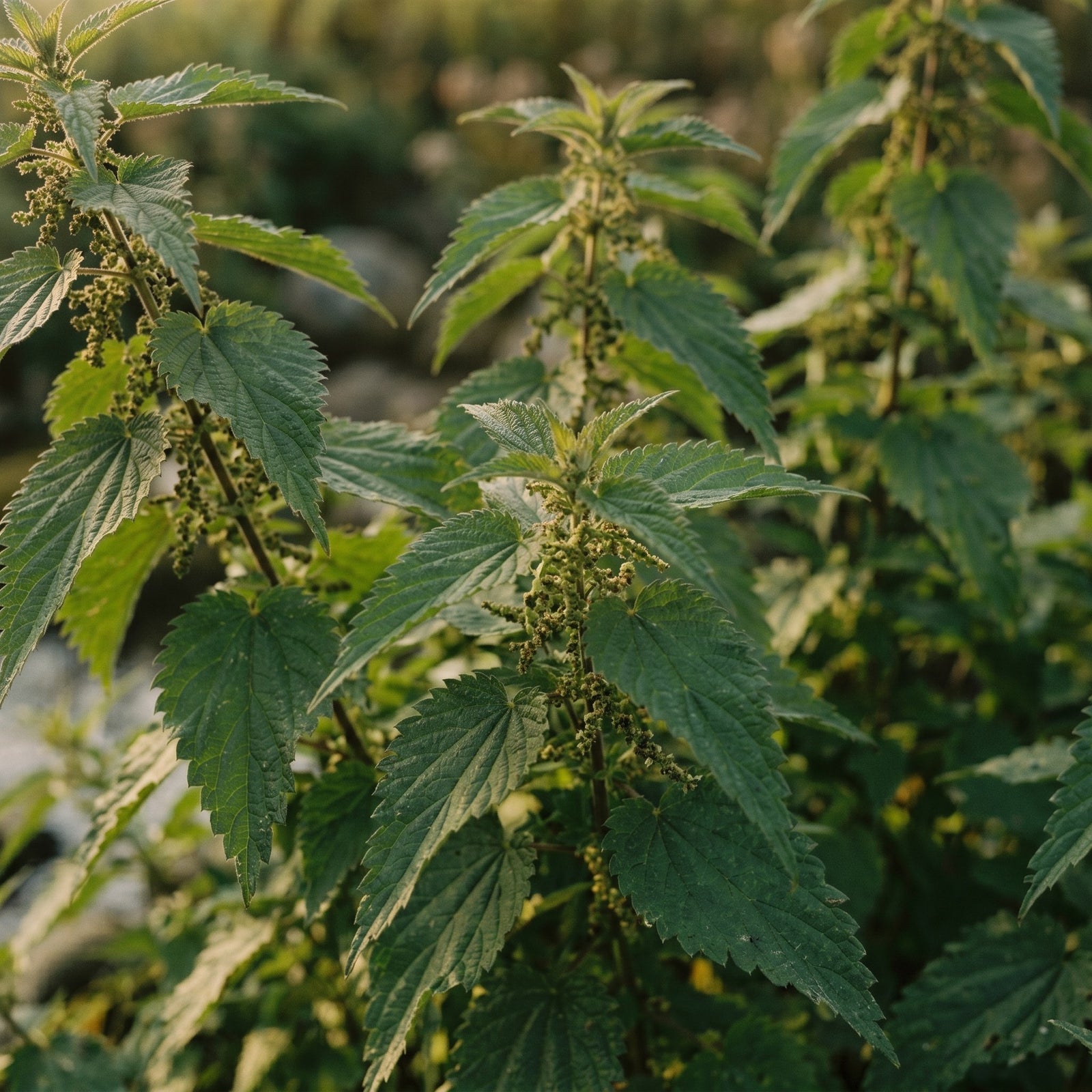
Nettle grows in the same places women have always gathered medicine: at the margins of gardens, along fence lines, wherever the land is rich and undisturbed. I think of it as one of the most generous plants I know, offering the mineral wealth the body loses in labor and demands again through breastfeeding: iron, calcium, magnesium. In traditional herbalism across cultures, nettle has been the first plant a new mother reaches for. Not because someone told her to, but because the body recognized it.

Raspberry Leaf

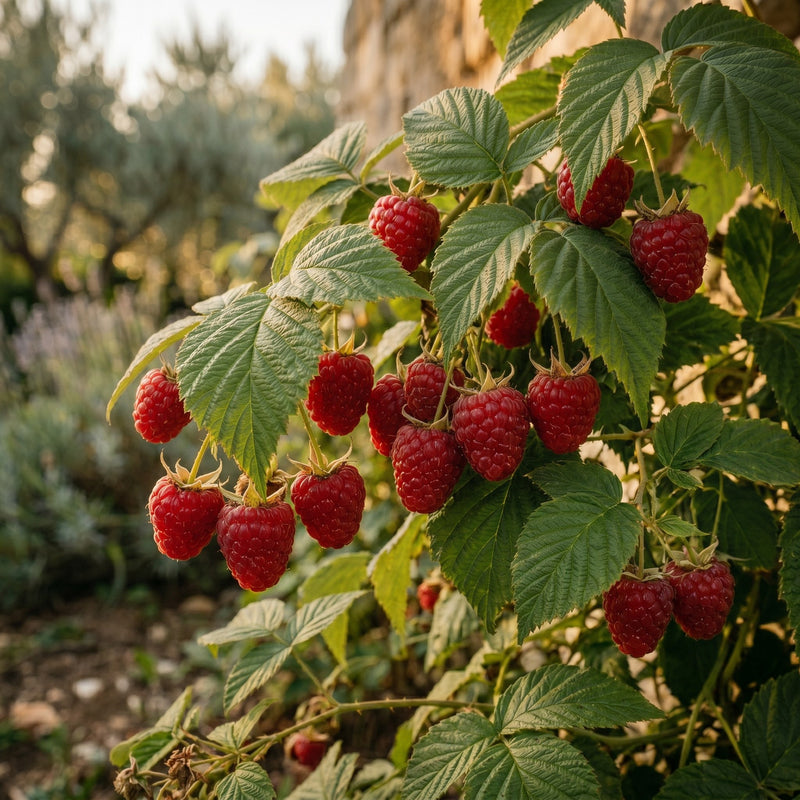
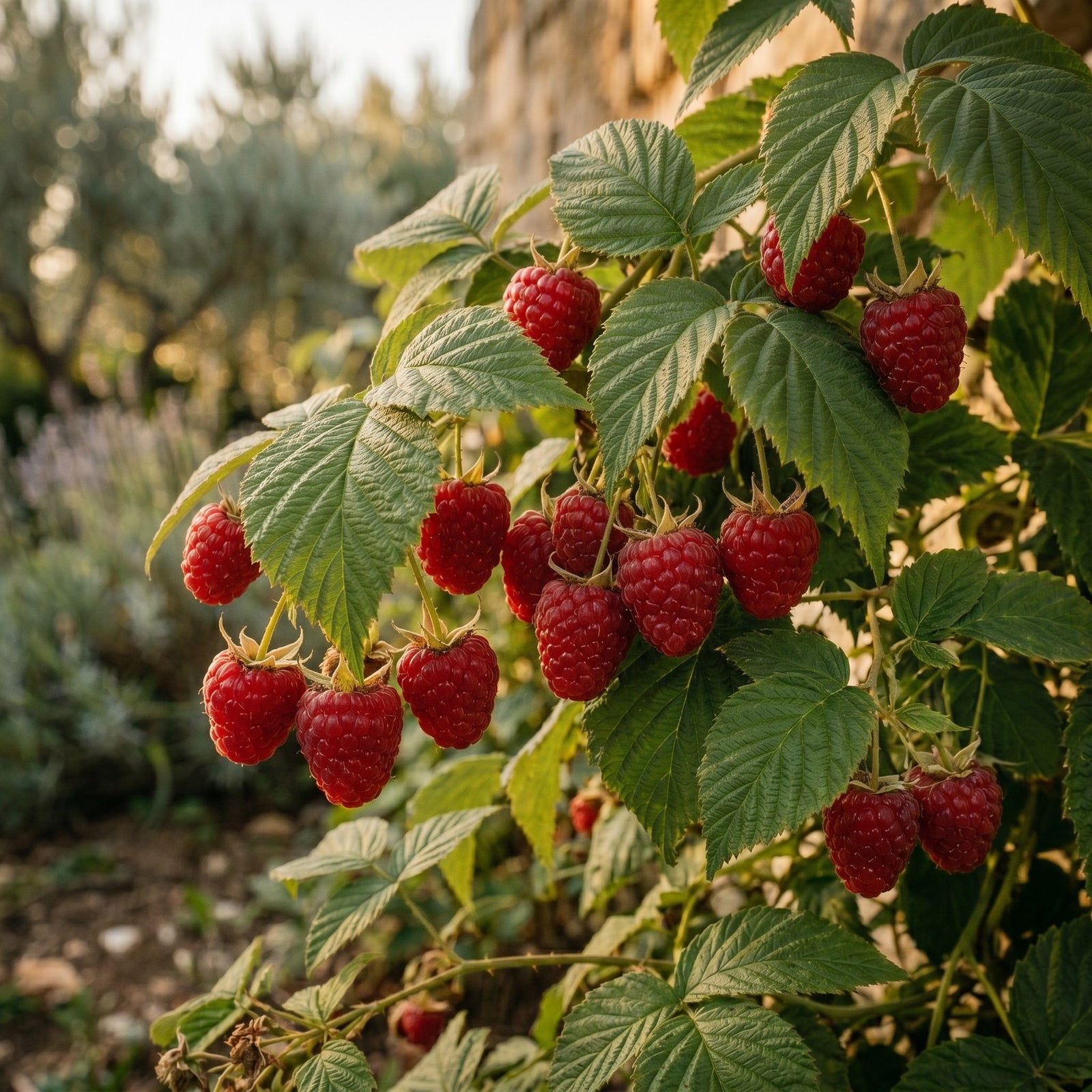
Raspberry leaf has long been called the women's herb in Western herbalism, and the name holds up. The plant grows prolifically in temperate gardens: sprawling, unpretentious, producing abundantly and asking little in return. I have worked with raspberry leaf through many seasons and many women's cycles, but I find it most present in the postpartum period. It belongs to the season of restoration. Women in my lineage have brewed it in the weeks after birth for generations as a tonic for the body returning to itself.

Oat Straw

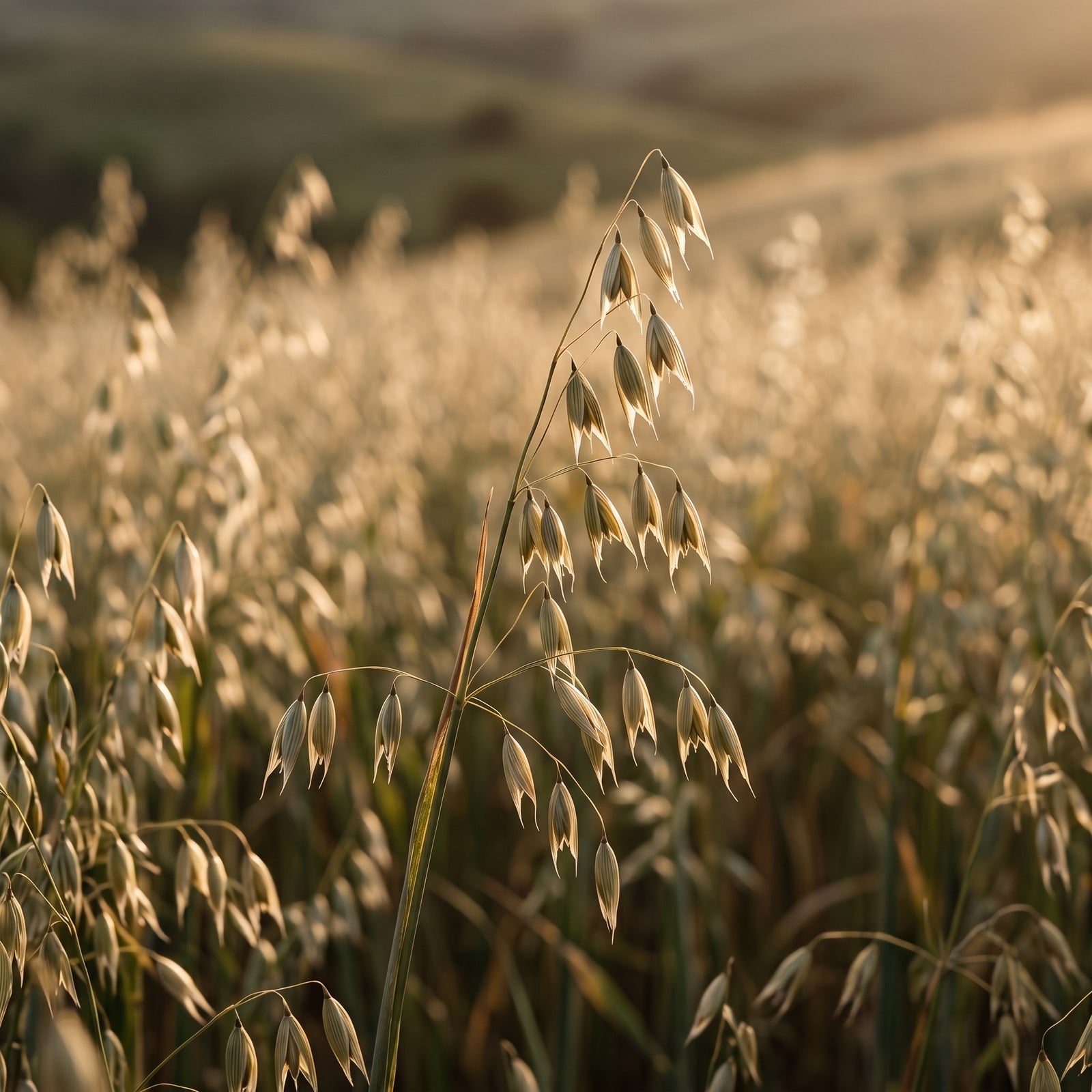
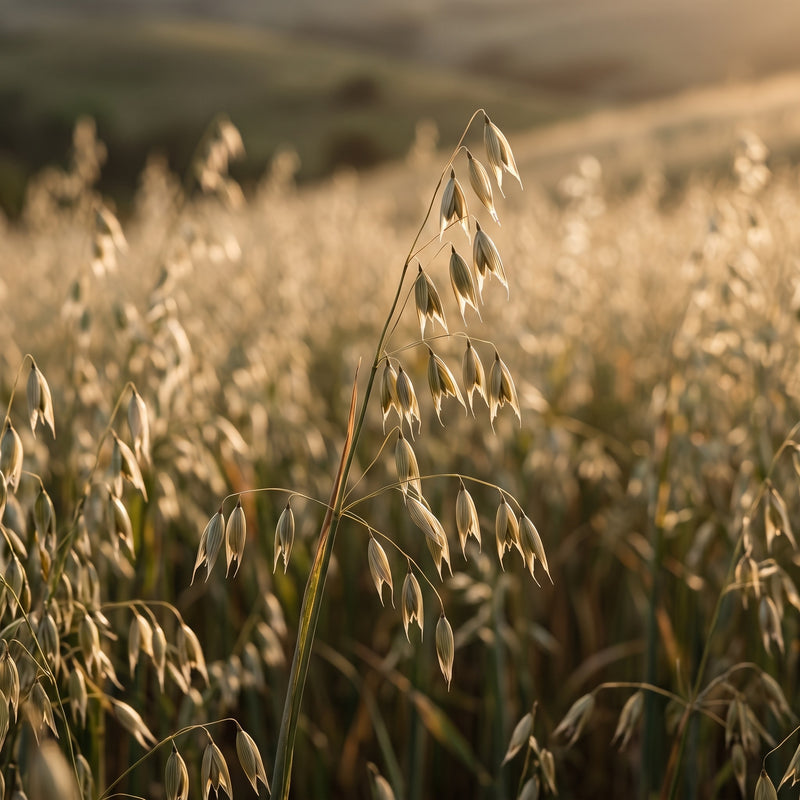
Oat straw is the green stalks of the oat plant, harvested before the grain forms. It is one of the most quietly powerful nervine herbs I know: steady rather than dramatic, building its support slowly over days and weeks rather than hours. In traditional herbalism, oat straw has been used to nourish the nervous system in seasons of deep depletion. New motherhood is one of those seasons. I reach for it in almost every postpartum formula I make.

Fennel Seed

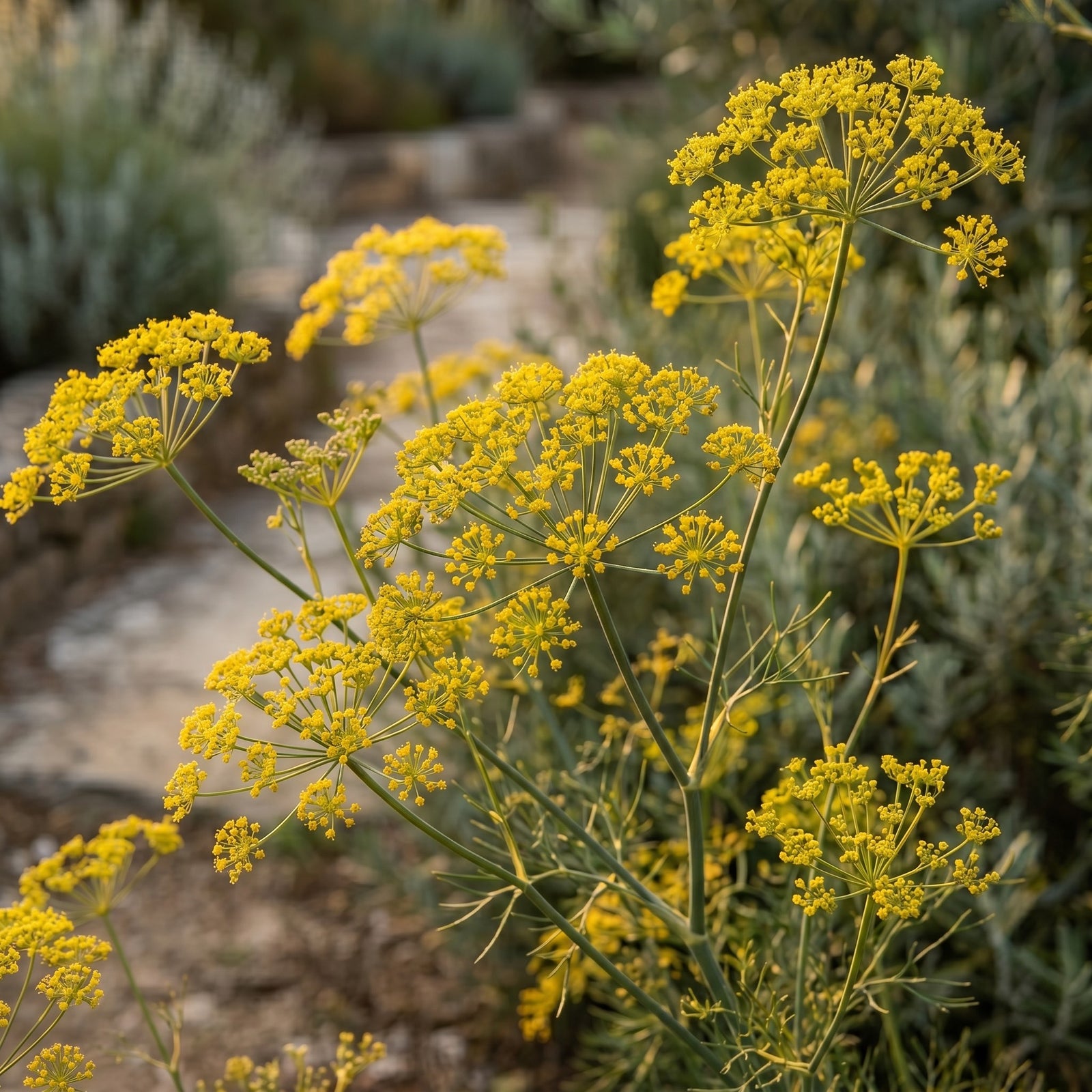
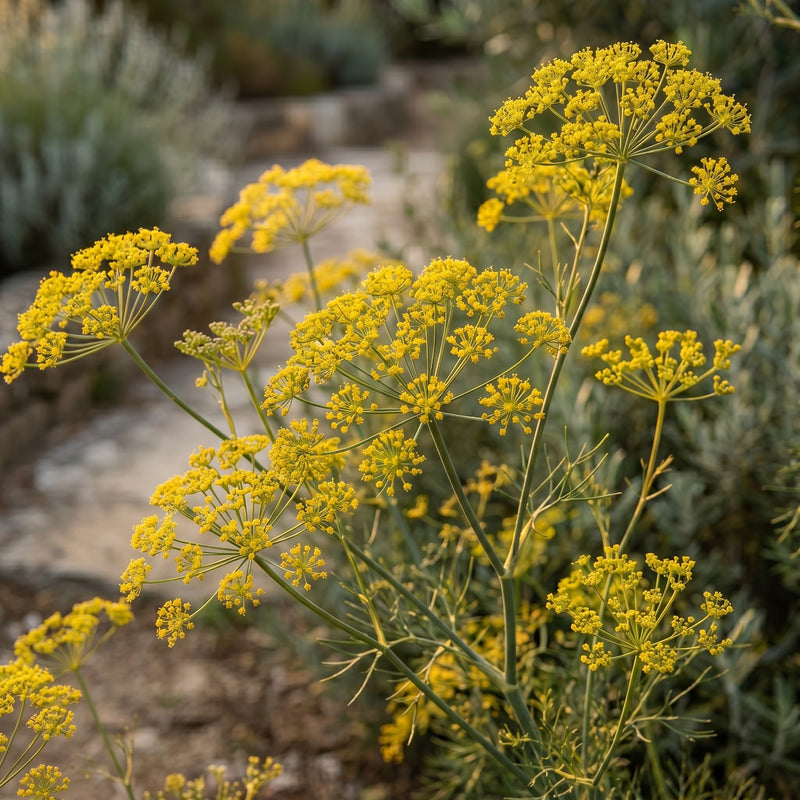
Fennel is a kitchen herb most people know well, but in traditional plant medicine, it carries a deeper relationship with nursing mothers. The seed is one of the most trusted galactagogues in both Western and Ayurvedic herbalism, used for centuries by women who were breastfeeding across cultures as far apart as ancient Egypt and rural France. I love that fennel is also a digestive herb. In this blend, it tends to the whole of the new mother's landscape: the need for ease, for flow, for the body to move gently through its own demands.

Nettle Leaf

Nettle grows in the same places women have always gathered medicine: at the margins of gardens, along fence lines, wherever the land is rich and undisturbed. I think of it as one of the most generous plants I know, offering the mineral wealth the body loses in labor and demands again through breastfeeding: iron, calcium, magnesium. In traditional herbalism across cultures, nettle has been the first plant a new mother reaches for. Not because someone told her to, but because the body recognized it.

Raspberry Leaf

Raspberry leaf has long been called the women's herb in Western herbalism, and the name holds up. The plant grows prolifically in temperate gardens: sprawling, unpretentious, producing abundantly and asking little in return. I have worked with raspberry leaf through many seasons and many women's cycles, but I find it most present in the postpartum period. It belongs to the season of restoration. Women in my lineage have brewed it in the weeks after birth for generations as a tonic for the body returning to itself.

Oat Straw

Oat straw is the green stalks of the oat plant, harvested before the grain forms. It is one of the most quietly powerful nervine herbs I know: steady rather than dramatic, building its support slowly over days and weeks rather than hours. In traditional herbalism, oat straw has been used to nourish the nervous system in seasons of deep depletion. New motherhood is one of those seasons. I reach for it in almost every postpartum formula I make.

Fennel Seed

Fennel is a kitchen herb most people know well, but in traditional plant medicine, it carries a deeper relationship with nursing mothers. The seed is one of the most trusted galactagogues in both Western and Ayurvedic herbalism, used for centuries by women who were breastfeeding across cultures as far apart as ancient Egypt and rural France. I love that fennel is also a digestive herb. In this blend, it tends to the whole of the new mother's landscape: the need for ease, for flow, for the body to move gently through its own demands.

The Ritual

Practices that support the plants
Honor yourself

A moment that is yours

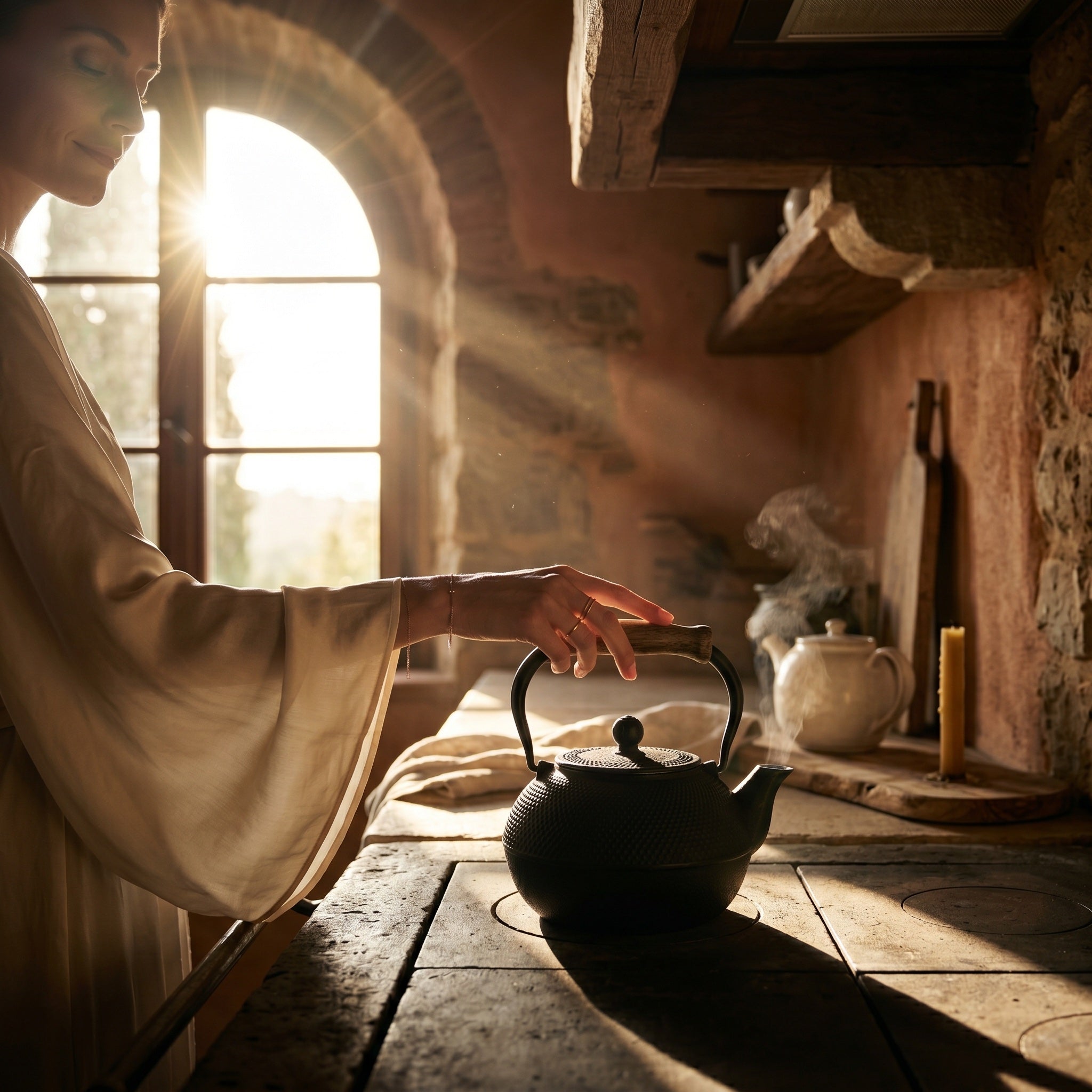
Put the phone down. Five minutes, a closed door, the sound of water coming to a boil. You are allowed to simply be here, in this body that did something extraordinary and is still doing it.

Return to the body

Breathe and release
Lie back, even for a moment, and let the belly soften. Exhale slowly through the mouth, longer than the inhale, until you feel the ribs settle and the chest open. This is called extended exhale breathing, and your body already knows how to receive it.

remember the earth

The earth has not forgotten you

Step outside for two minutes, or sit near a window and find something living to look at. Feel what quality the light has today, what the air is carrying right now in this particular season. New motherhood can suspend a woman outside of time entirely. The earth does not stop moving through its seasons, and letting yourself feel that movement is one of the quieter ways back to yourself.

Rooted in Lineage. Made with Reverence.

Every formula in this apothecary is made in small batches in Los Angeles, using herbs that are organically grown or seasonally wildcrafted whenever possible. We work with plants at the peak of their potency — harvested in the right season, prepared slowly, and handled with the same reverence we hope you bring to using them.

This is medicine in the oldest sense of the word: plant wisdom, carefully tended, passed forward with care.

Jasmine's Note

My grandmother didn't call it herbalism. She just knew things — which plants to reach for, which roots to dry, what the earth offered when the body asked. She learned it from her father, who kept a garden in Biloxi and understood plants the way some people understand people. That knowledge passed to her, and quietly, to me.

I didn't fully understand what I'd inherited until my own body started asking questions that medicine couldn't answer. Hormonal chaos, long seasons of depression, the particular exhaustion of feeling disconnected from yourself. I remembered the whisperings. I turned back toward the plants. Everything in this apothecary came from that turning — things I made for myself first, and then for the women in my life who needed the same. I offer them to you the way my grandmother offered what she knew: as a hand extended, as something real.

-Jasmine

Frequently Asked Questions

A Note on Plant Medicine

Plants are powerful — and like any potent thing, they deserve to be used with care and knowledge. These formulas are crafted with intention, but they are not a substitute for medical guidance. Before beginning a new herbal practice, we encourage you to speak with your healthcare provider, especially if you are pregnant, nursing, trying to conceive, managing a health condition, or taking prescription medication. Wild Woman products are not intended to diagnose, treat, cure, or prevent any disease.