Skip to content

Cart

Your cart is empty

EVENING RITUAL

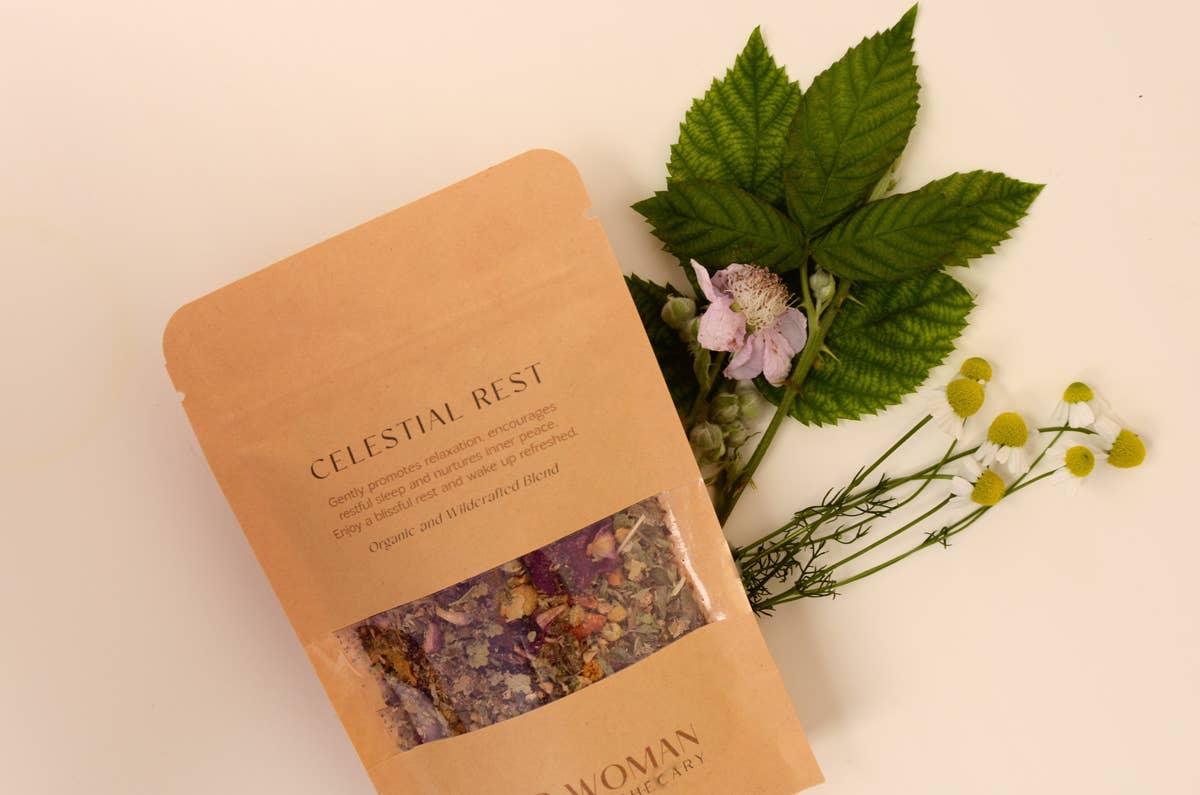
Celestial Rest Tea

Self Care for Stress & Anxiety

Sale price$20.00

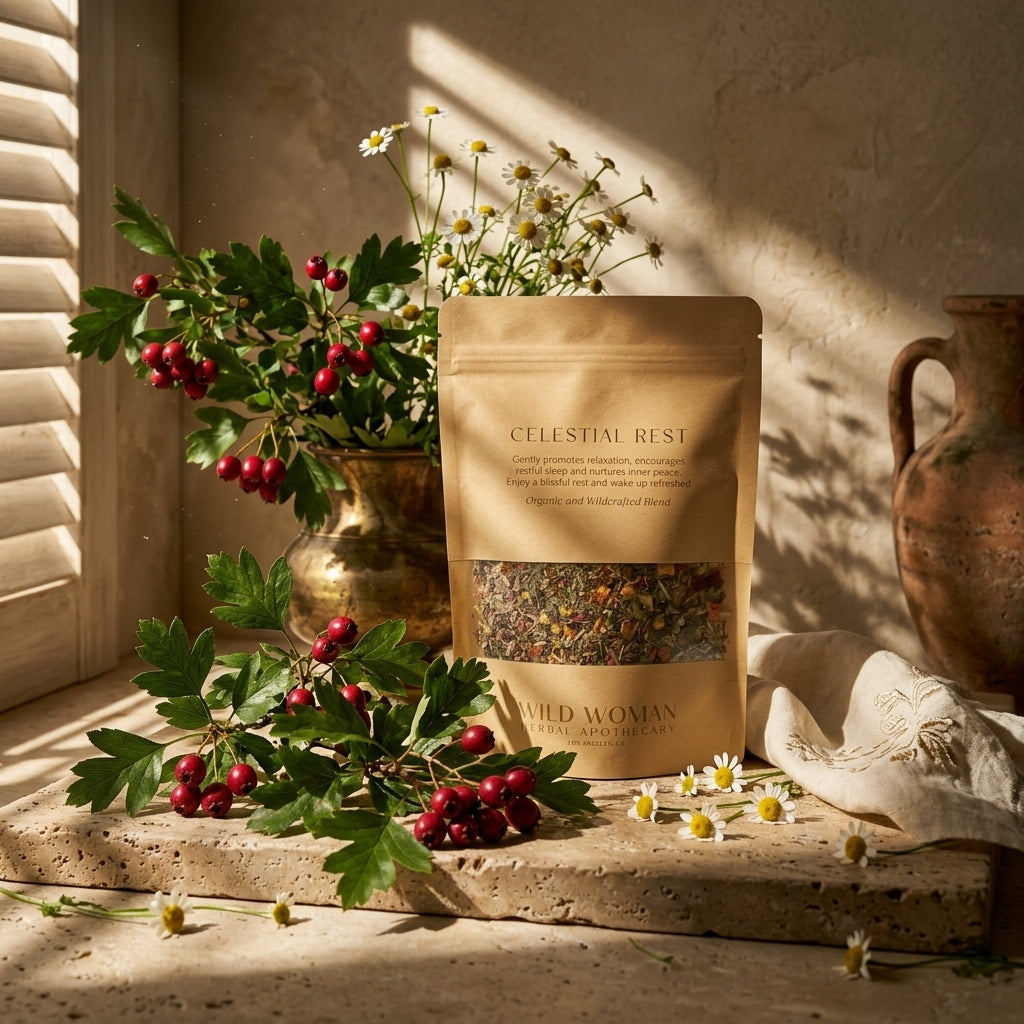
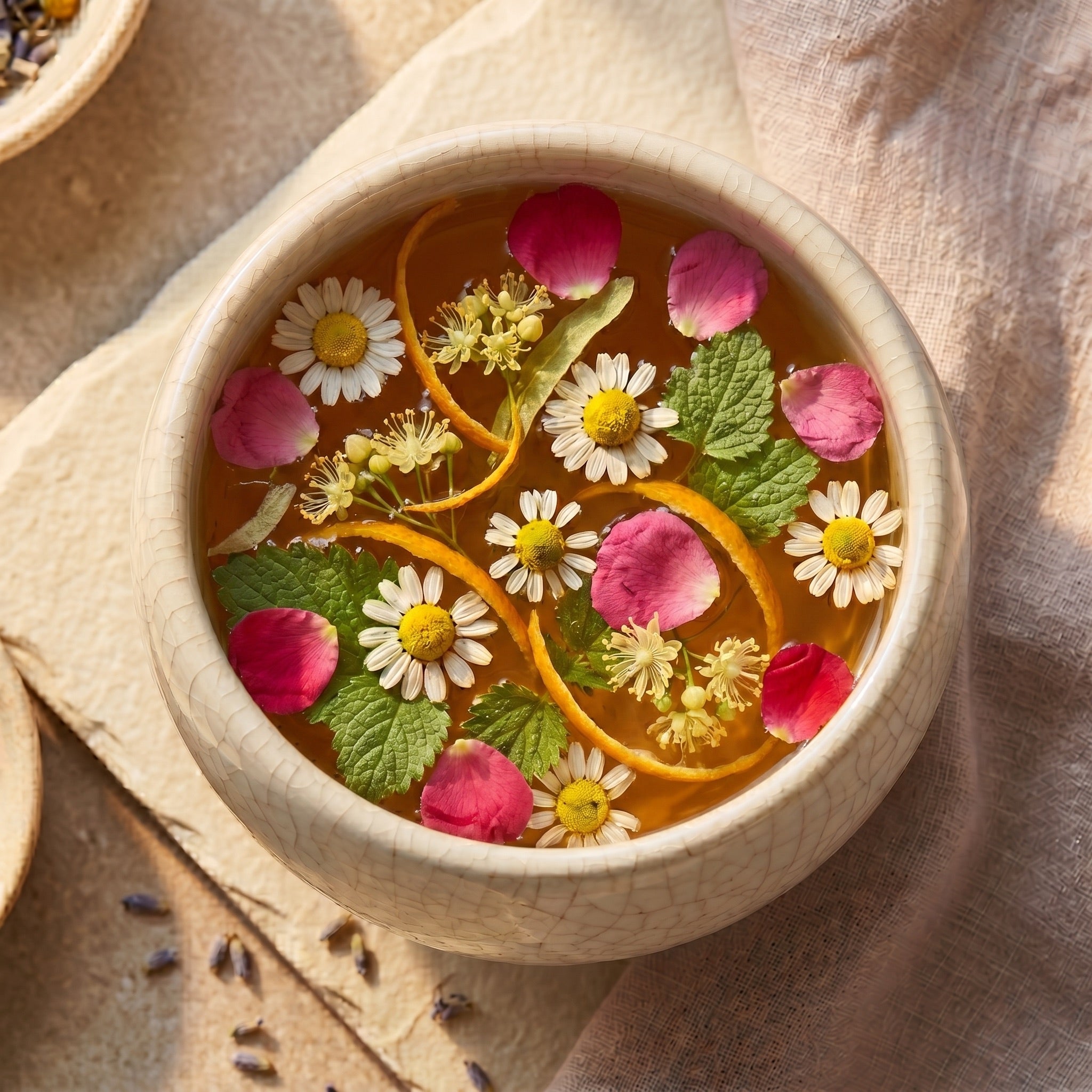
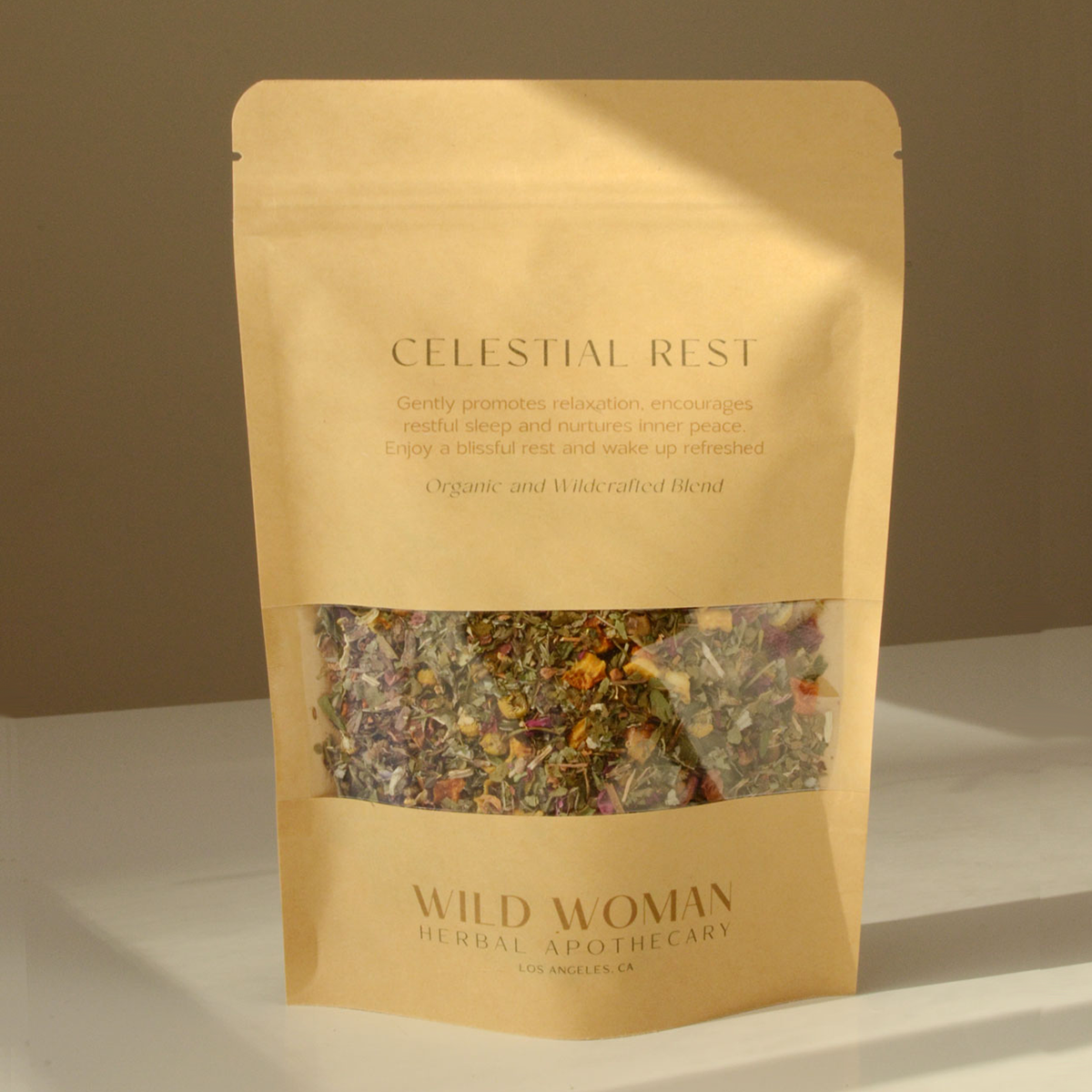
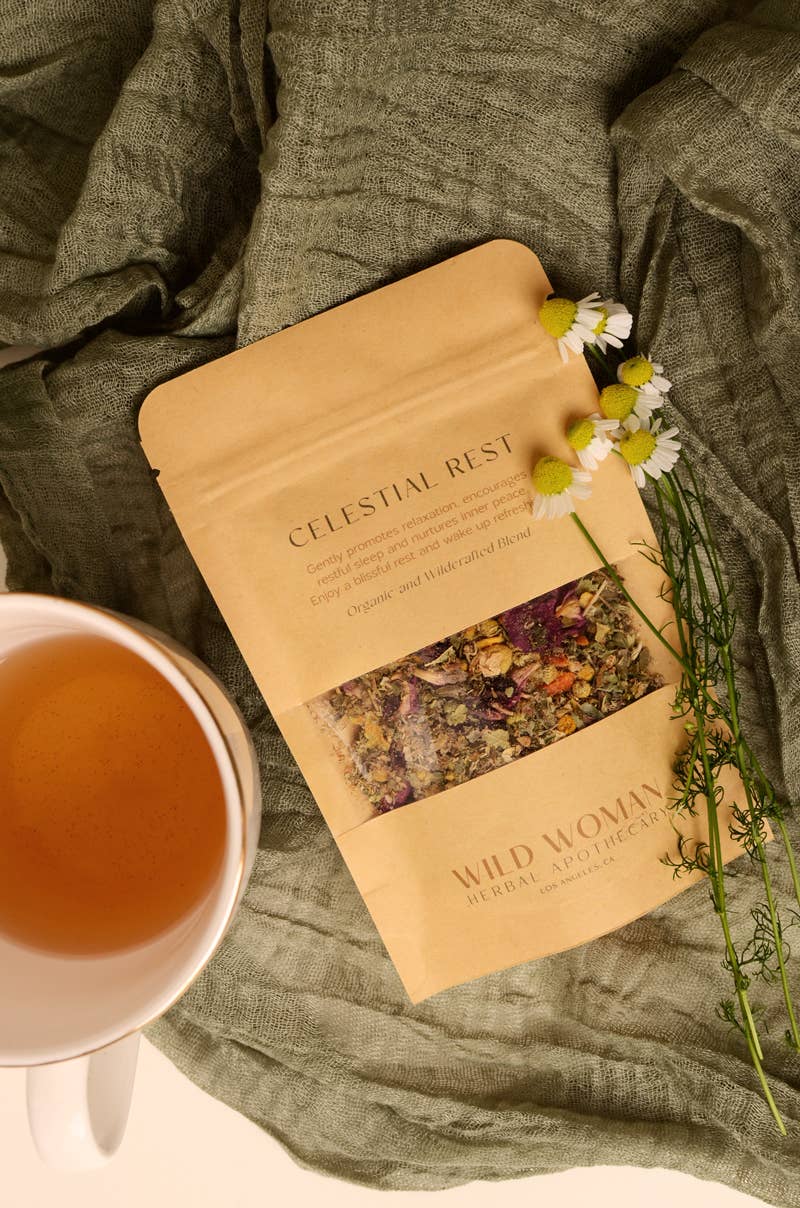
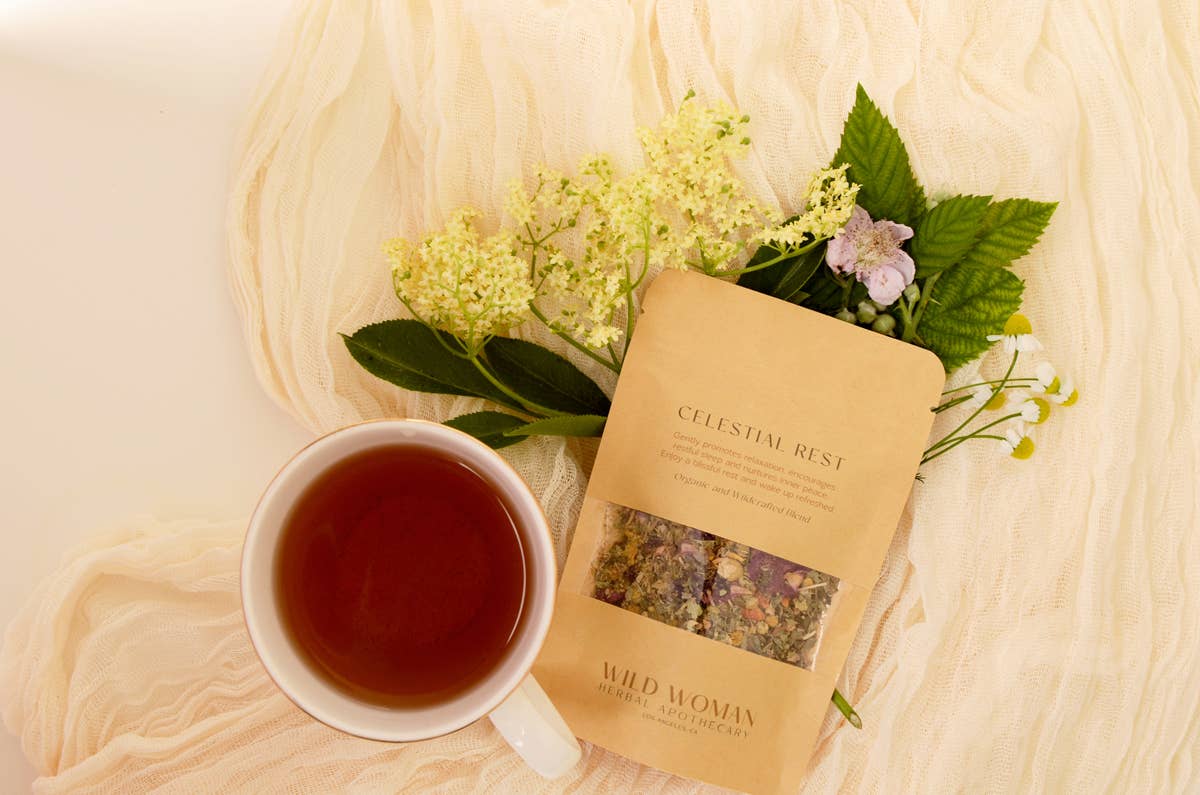
Some evenings need a signal. Something warm and slow that tells the body the day is genuinely over. This herbal tea for relaxation was made for that moment: chamomile flower, lemon balm, skullcap, and linden gathered into one cup, prepared the way women have made evening medicine for as long as there have been plants to reach for.

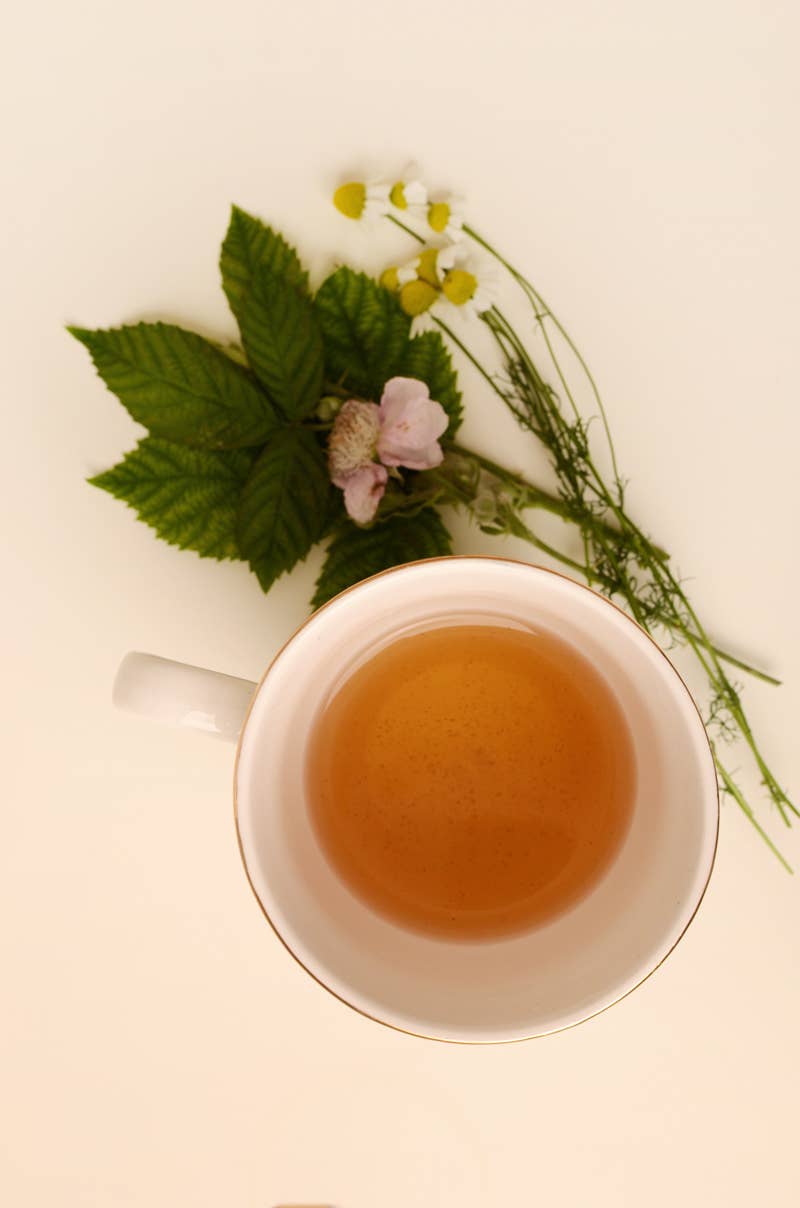
soft floral · faintly citrus · honey-warm · made for nightfall

Celestial Rest Tea
Celestial Rest Tea Sale price$20.00

Celestial Rest

PRODUCT DETAILS

The Plants

Celestial Rest was built around one question: what does the body need to remember it is safe to let go? Not to be pushed toward sleep, but gently reminded of what rest actually feels like. Each plant in this formula answers a different layer of that question.

Chamomile flower and linden work with the surface of tension — the held breath, the shoulders that have not dropped since morning. Lemon balm tends to the quality of worried thought, the kind that keeps the mind running long after the body is tired. Skullcap goes deeper, meeting the nervous system's tendency to remain braced even when everything else has quieted. Rose and hawthorn berry tend to the heart: the emotional residue of the day, the places where feeling got stored and not yet released. Orange peel and raspberry leaf complete the cup with warmth, brightness, and the gentle nourishment of plants that have always known how to soften what has been overworked.

Together they do what a single plant rarely can. They make a cup that feels complete.

Tasting Notes

Tasting Notes

soft floral · honey-warm · faintly citrus · clean finish

Ritual Moment

Ritual Moment

evening · before the quiet hour

Pairs With

Pairs With

a warm bath • soft lighting • a good book

Energetics

Energetics

softening · deeply calming
Tasting Notes

Tasting Notes

soft floral · honey-warm · faintly citrus · clean finish

Ritual Moment

Ritual Moment

evening · before the quiet hour

Pairs With

Pairs With

a warm bath • soft lighting • a good book

Energetics

Energetics

softening · deeply calming
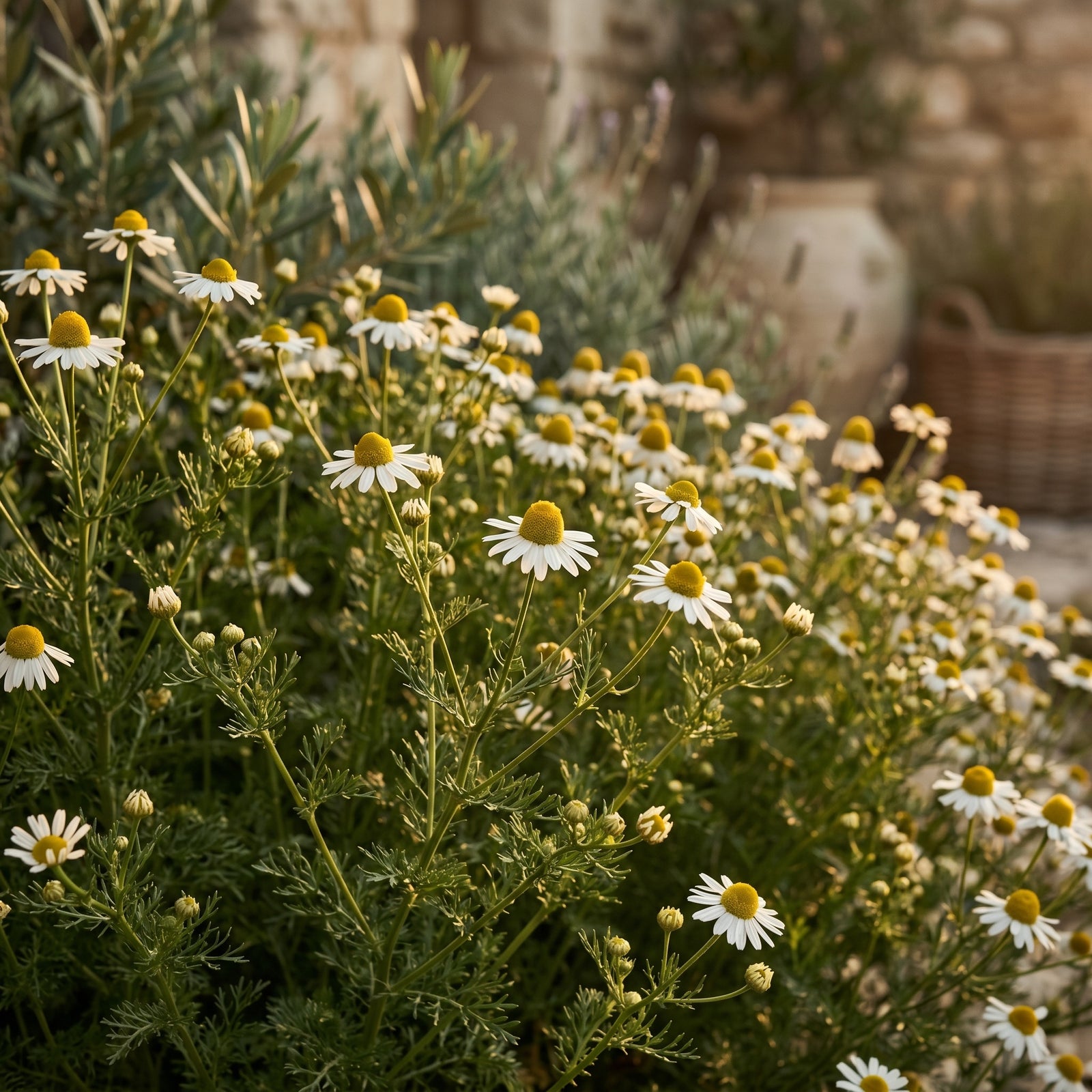
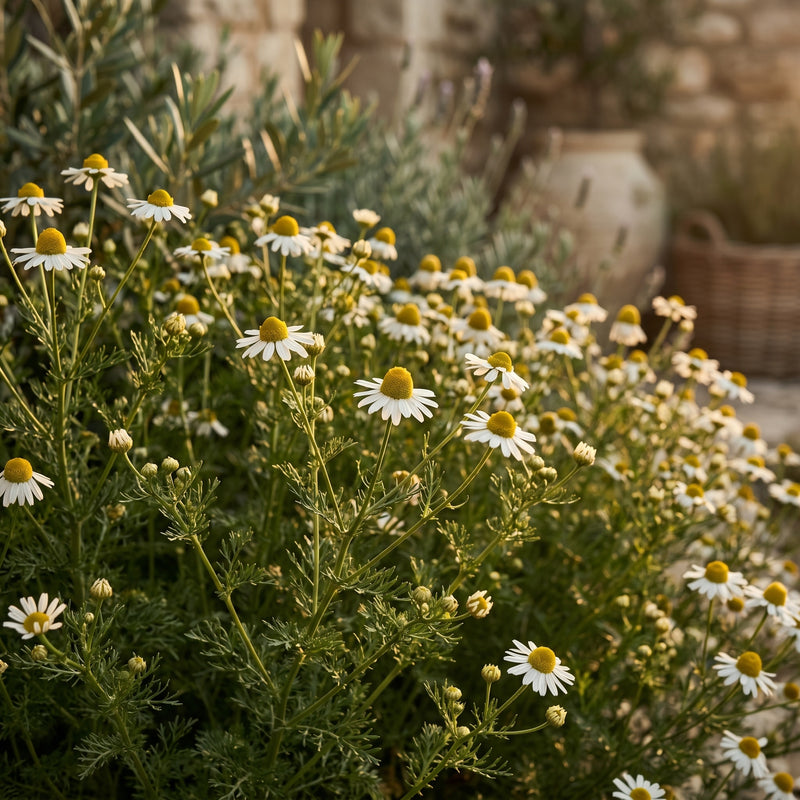
Chamomile Flower

Chamomile grows in open, disturbed places: roadsides, the edges of fields, anywhere the earth has been turned and left to find its own way back. There is something right about that for a plant most associated with the quality of letting go. In European folk medicine, chamomile tea has been the evening drink for as long as anyone can remember — the cup that mothers made for children who could not settle and for women who needed to come down from the day. It does not push you toward sleep. It simply creates the conditions where rest can arrive on its own.

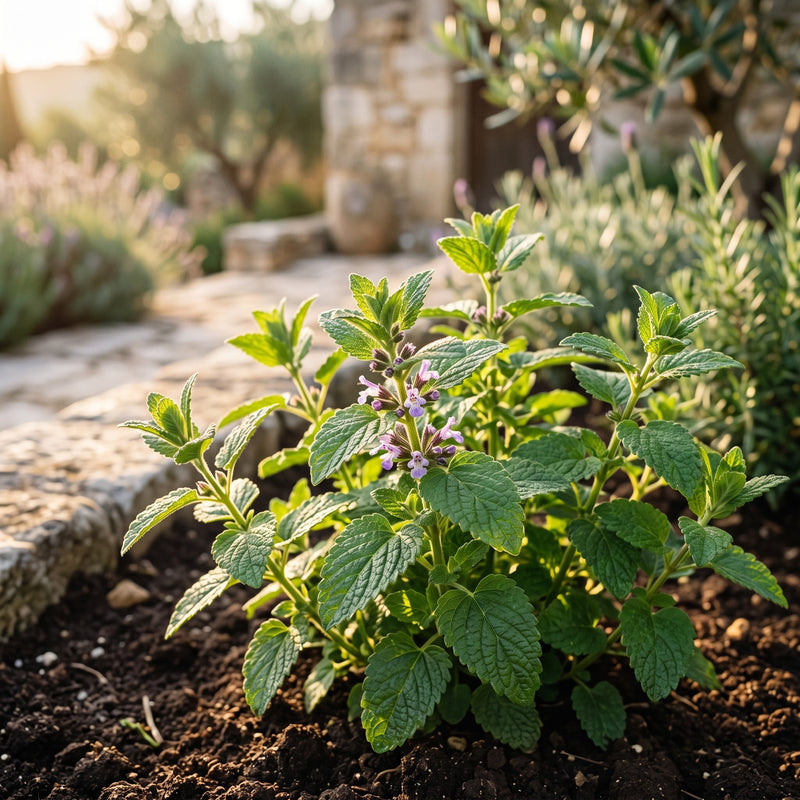
Lemon Balm

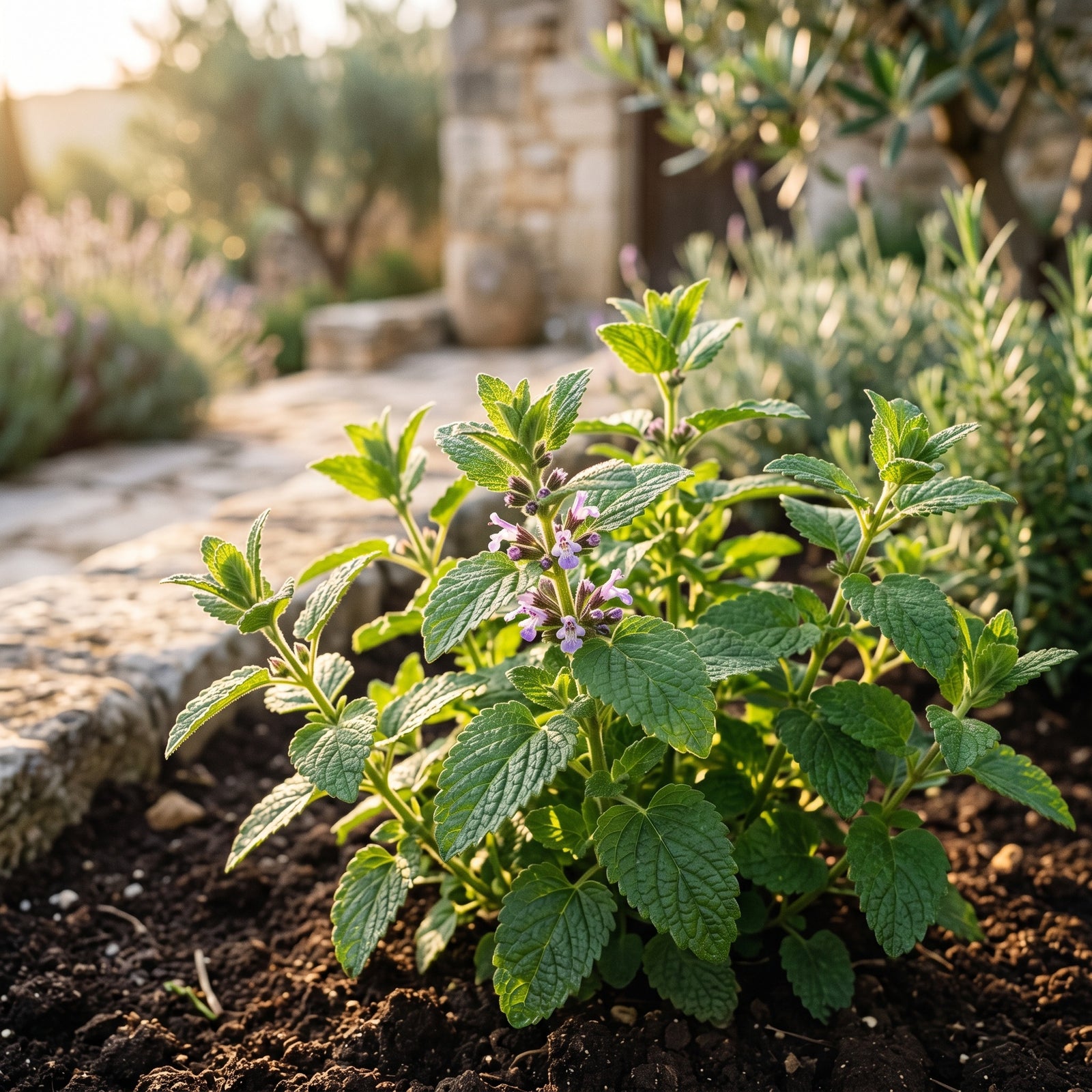
Lemon Balm grows with great enthusiasm — it is a plant that wants to be everywhere, and once established, it will be. The Carmelite nuns of seventeenth-century France distilled it into Eau de Melissa, one of the most beloved nervine tonics in European history, prepared specifically for nervous headaches and anxious states. I think of lemon balm for the particular quality of worry that keeps the mind active long after it should have quieted: the replaying of conversations, the rehearsing of tomorrow. It has a brightness that balances the deeper, earthier plants in this blend, and a very long tradition of soothing what feels frayed at the end of a full day.

Linden Flower

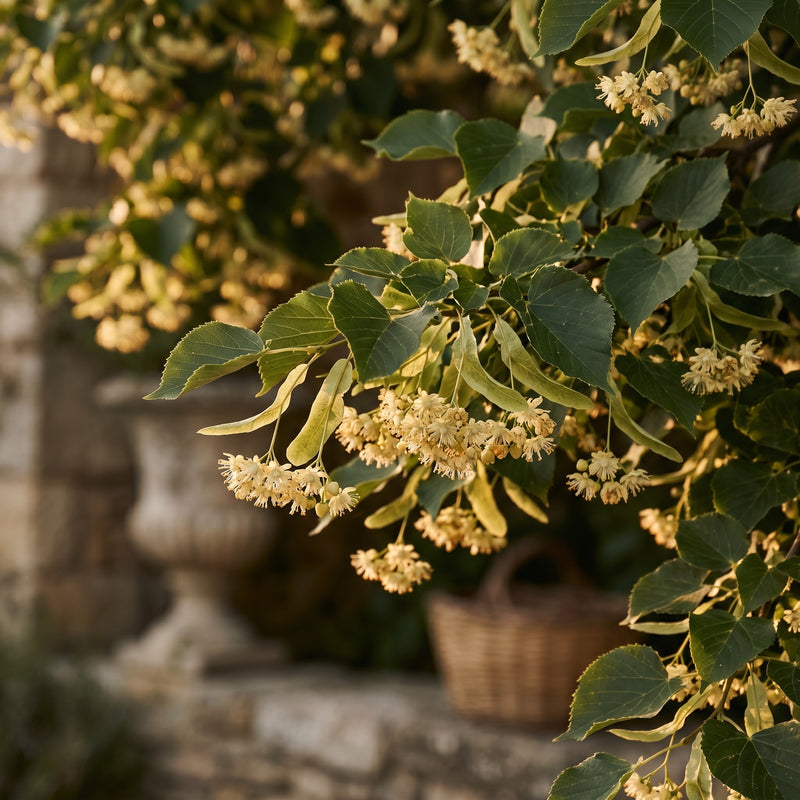
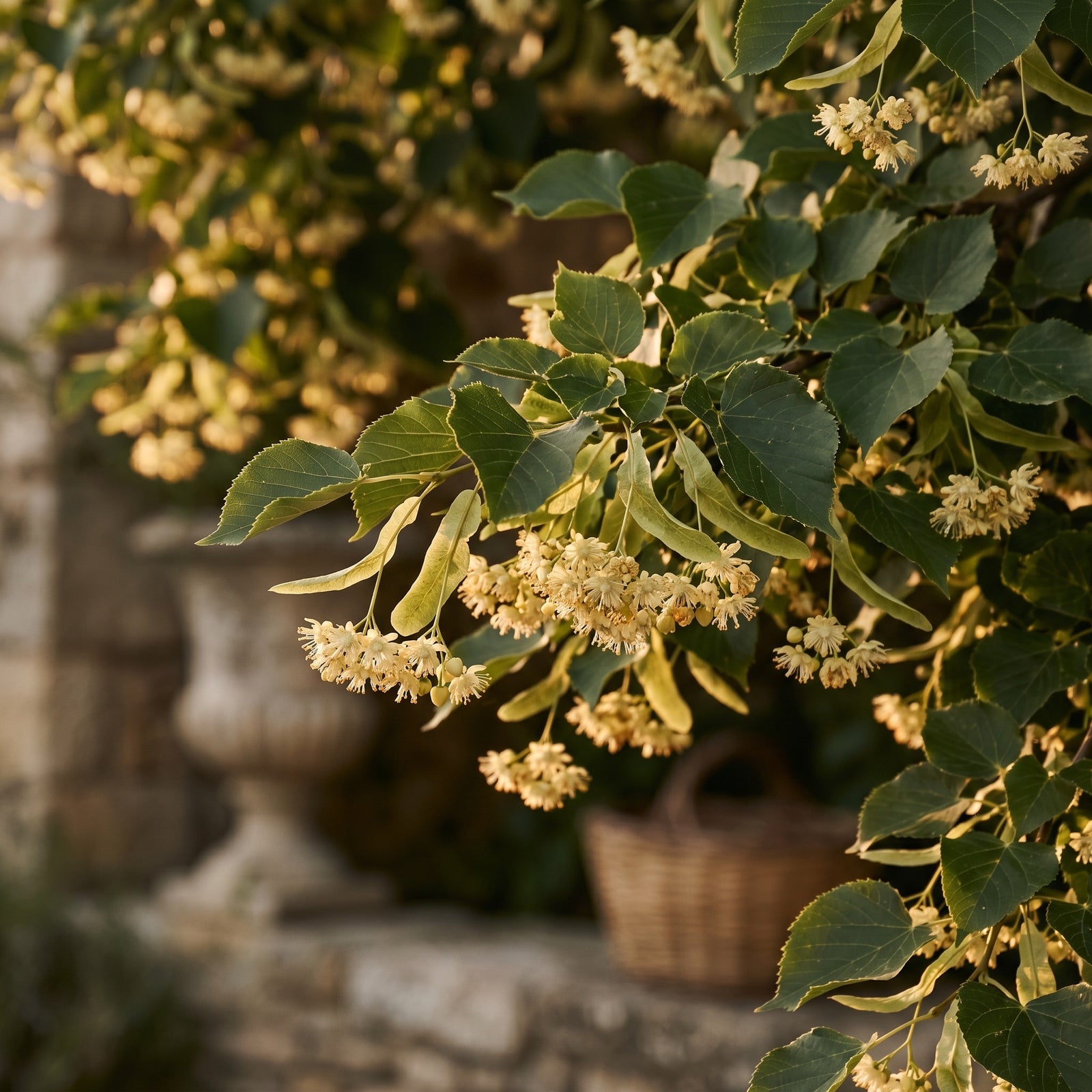
Linden trees bloom once a year, briefly, in midsummer, and when they do the scent is extraordinary — sweet and full and unlike anything else. The flowers and bracts are gathered at that moment for tea and tincture. Linden is beloved in European herbal tradition for what herbalists call its quality as a nervine: a plant that meets the nervous system's tendency toward bracing and holding. Not anxious thought, exactly, but the physical experience of tension that has not been released — the body that still carries the weight of the day when the mind is finally willing to let go. It is gentle enough for children and restless babies, and deeply reliable for anyone who knows the feeling of wound-up stillness at the end of a long day.

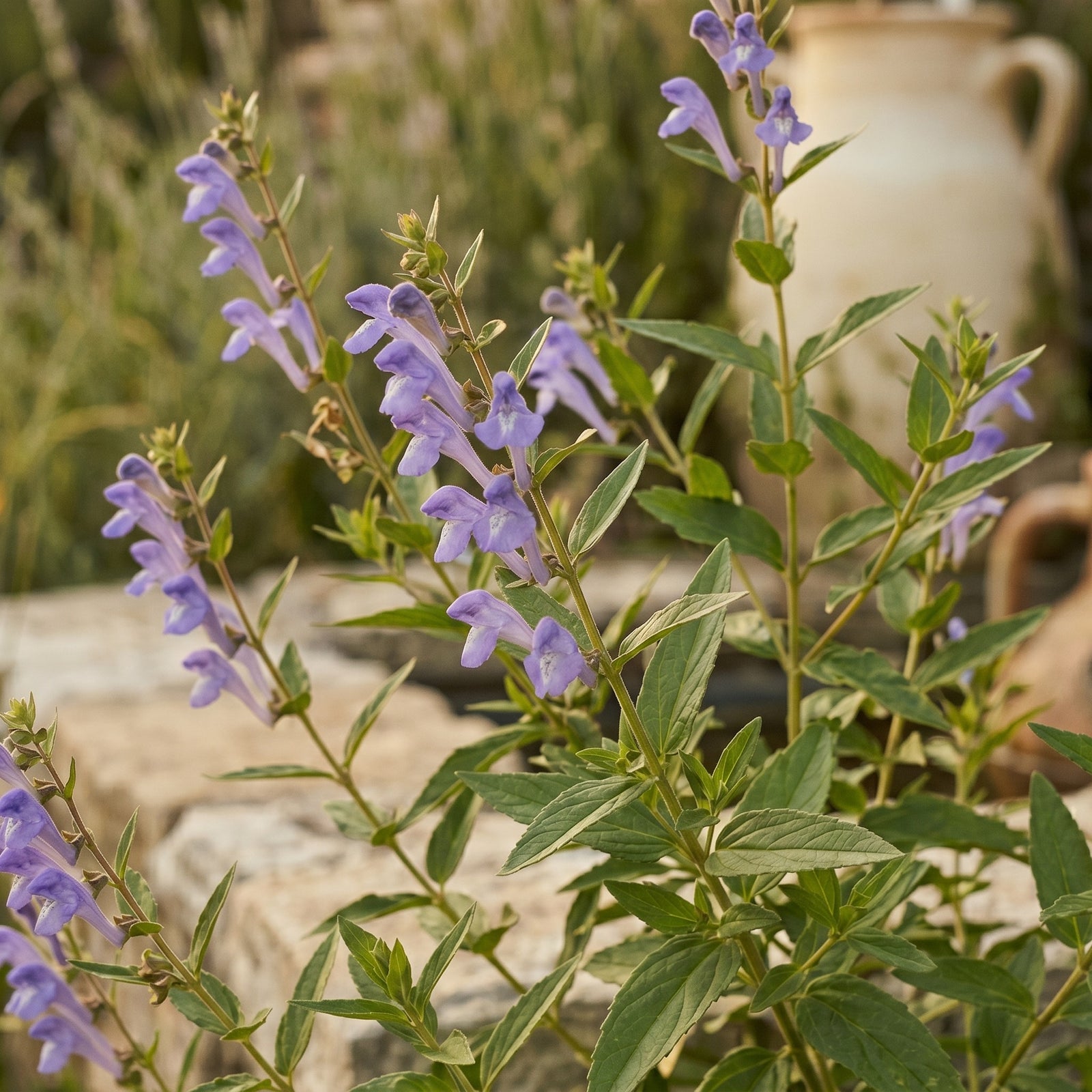
Skullcap

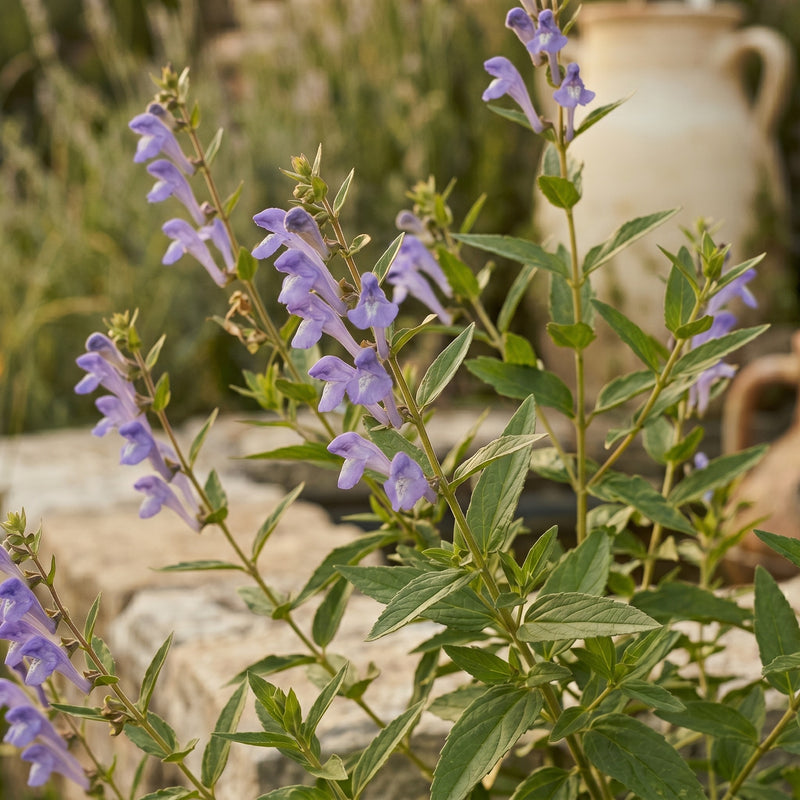
Skullcap grows native to North America along stream banks and in damp woodland clearings: modest-looking, not the kind of plant that draws attention to itself. The Cherokee knew it as a significant medicine for the nervous system, and herbalists on this continent have relied on it for generations for the state that many of us recognize from the inside — wired and tired at the same time, exhausted and still unable to fully rest. In Celestial Rest, skullcap works alongside linden and chamomile to address the full arc of settling. It is not dramatic in its action. It simply creates the opening for the rest that was already waiting.

Chamomile Flower

Chamomile grows in open, disturbed places: roadsides, the edges of fields, anywhere the earth has been turned and left to find its own way back. There is something right about that for a plant most associated with the quality of letting go. In European folk medicine, chamomile tea has been the evening drink for as long as anyone can remember — the cup that mothers made for children who could not settle and for women who needed to come down from the day. It does not push you toward sleep. It simply creates the conditions where rest can arrive on its own.

Lemon Balm

Lemon Balm grows with great enthusiasm — it is a plant that wants to be everywhere, and once established, it will be. The Carmelite nuns of seventeenth-century France distilled it into Eau de Melissa, one of the most beloved nervine tonics in European history, prepared specifically for nervous headaches and anxious states. I think of lemon balm for the particular quality of worry that keeps the mind active long after it should have quieted: the replaying of conversations, the rehearsing of tomorrow. It has a brightness that balances the deeper, earthier plants in this blend, and a very long tradition of soothing what feels frayed at the end of a full day.

Linden Flower

Linden trees bloom once a year, briefly, in midsummer, and when they do the scent is extraordinary — sweet and full and unlike anything else. The flowers and bracts are gathered at that moment for tea and tincture. Linden is beloved in European herbal tradition for what herbalists call its quality as a nervine: a plant that meets the nervous system's tendency toward bracing and holding. Not anxious thought, exactly, but the physical experience of tension that has not been released — the body that still carries the weight of the day when the mind is finally willing to let go. It is gentle enough for children and restless babies, and deeply reliable for anyone who knows the feeling of wound-up stillness at the end of a long day.

Skullcap

Skullcap grows native to North America along stream banks and in damp woodland clearings: modest-looking, not the kind of plant that draws attention to itself. The Cherokee knew it as a significant medicine for the nervous system, and herbalists on this continent have relied on it for generations for the state that many of us recognize from the inside — wired and tired at the same time, exhausted and still unable to fully rest. In Celestial Rest, skullcap works alongside linden and chamomile to address the full arc of settling. It is not dramatic in its action. It simply creates the opening for the rest that was already waiting.

The Ritual

Practices that support the plants

Honor yourself

Enter the grand silence

In Benedictine and Trappist monasteries, there is a practice called the Grand Silence. A specific moment in the evening when speaking formally stops and interior life begins. You can practice a version of this. Choose a moment and commit to no more input: no voices from a screen, no texts to answer, nothing left to consume or respond to. Not as a rule, but as a formal threshold you cross into your own evening.

Return to the body

Tend the kidneys

With both hands loosely fisted, tap gently along your lower back just above the waist: the location of the kidneys in traditional Chinese medicine, the organ most associated with depletion, evening, and the water element. This is kidney qigong, practiced for centuries to tonify the vitality the day draws down. Tap rhythmically for a minute or two, neither hard nor soft, until you feel warmth spreading inward. The kidneys govern rest and deep reserves. They are ready to be remembered.

Remember the earth

Wait for the first star

In the 8 Shields tradition, the sit spot is practiced at the threshold moments: dawn and dusk, when the world turns. For evening, the measure is the first star. Go outside and sit still long enough to watch the light move from gold to indigo, and wait until one point of light appears where the sky was empty before. Many cultures have marked this threshold formally, from the Haudenosaunee to the traditions that begin evening prayer at first starlight. The chamomile and linden in your cup grew in that same turning world, calibrated to the same slow dark.

Jasmine's Note

My grandmother didn't call it herbalism. She just knew things — which plants to reach for, which roots to dry, what the earth offered when the body asked. She learned it from her father, who kept a garden in Biloxi and understood plants the way some people understand people. That knowledge passed to her, and quietly, to me.

I didn't fully understand what I'd inherited until my own body started asking questions that medicine couldn't answer. Hormonal chaos, long seasons of depression, the particular exhaustion of feeling disconnected from yourself. I remembered the whisperings. I turned back toward the plants. Everything in this apothecary came from that turning — things I made for myself first, and then for the women in my life who needed the same. I offer them to you the way my grandmother offered what she knew: as a hand extended, as something real.

-Jasmine

Rooted in Lineage. Made with Reverence.

Every formula in this apothecary is made in small batches in Los Angeles, using herbs that are organically grown or seasonally wildcrafted whenever possible. We work with plants at the peak of their potency — harvested in the right season, prepared slowly, and handled with the same reverence we hope you bring to using them.

This is medicine in the oldest sense of the word: plant wisdom, carefully tended, passed forward with care.

Frequently Asked Questions

A Note on Plant Medicine

Plants are powerful — and like any potent thing, they deserve to be used with care and knowledge. These formulas are crafted with intention, but they are not a substitute for medical guidance. Before beginning a new herbal practice, we encourage you to speak with your healthcare provider, especially if you are pregnant, nursing, trying to conceive, managing a health condition, or taking prescription medication. Wild Woman products are not intended to diagnose, treat, cure, or prevent any disease.