Skip to content

Cart

Your cart is empty

SEASONAL WELLNESS

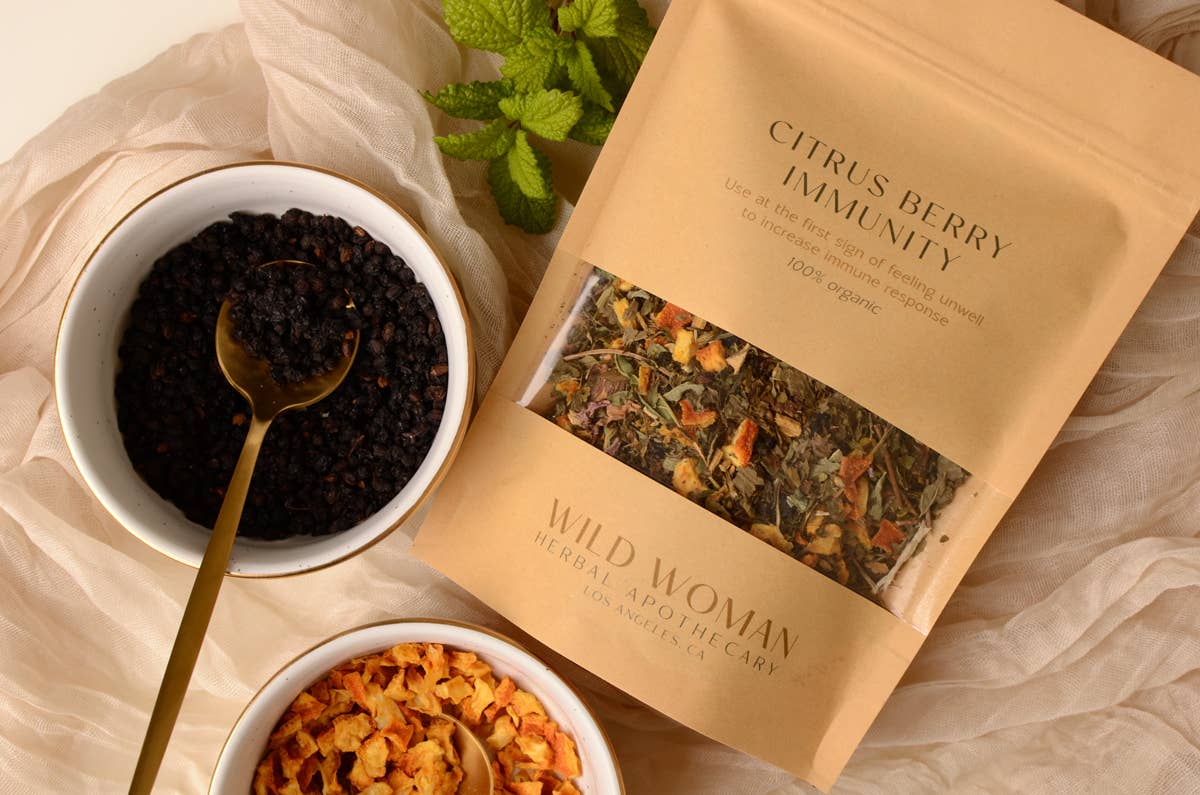
Citrus Berry Immunity Tea

daily immune support for seasonal changes

Sale price$20.00

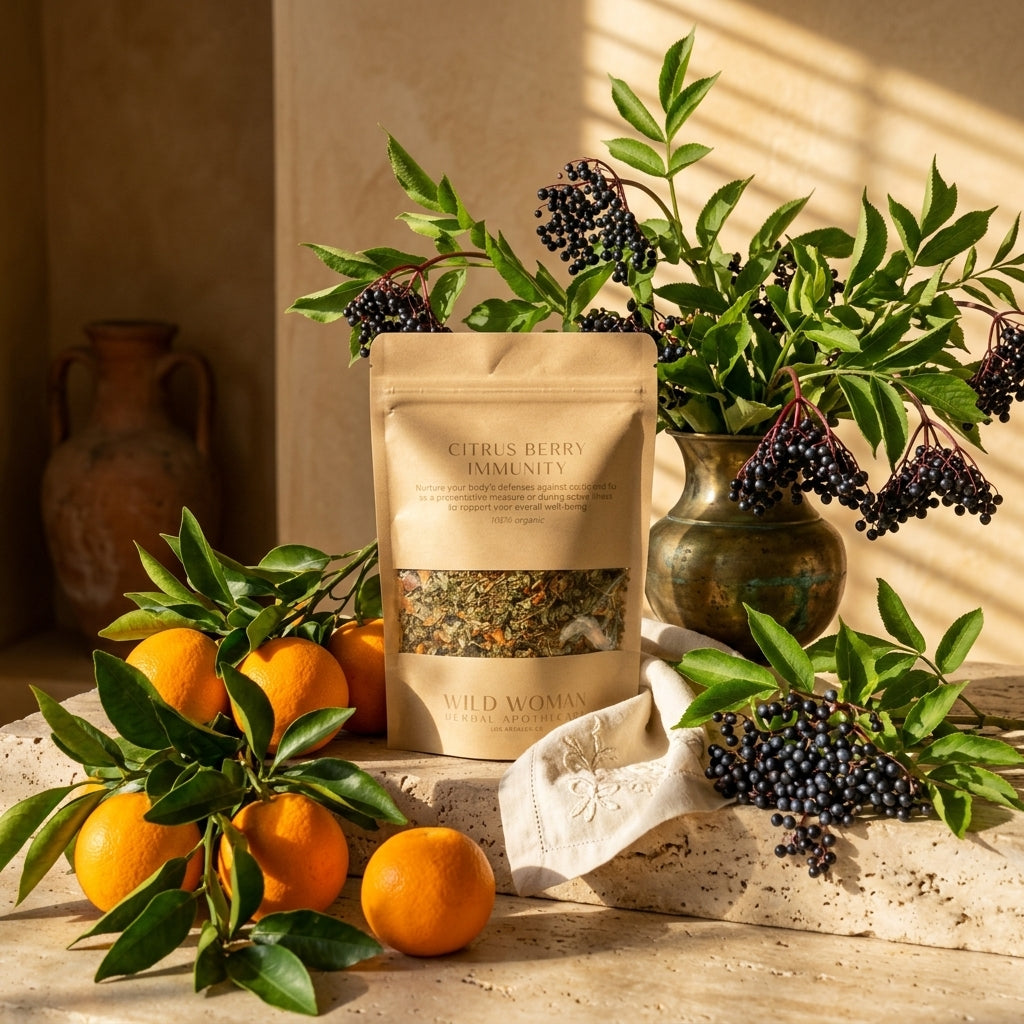
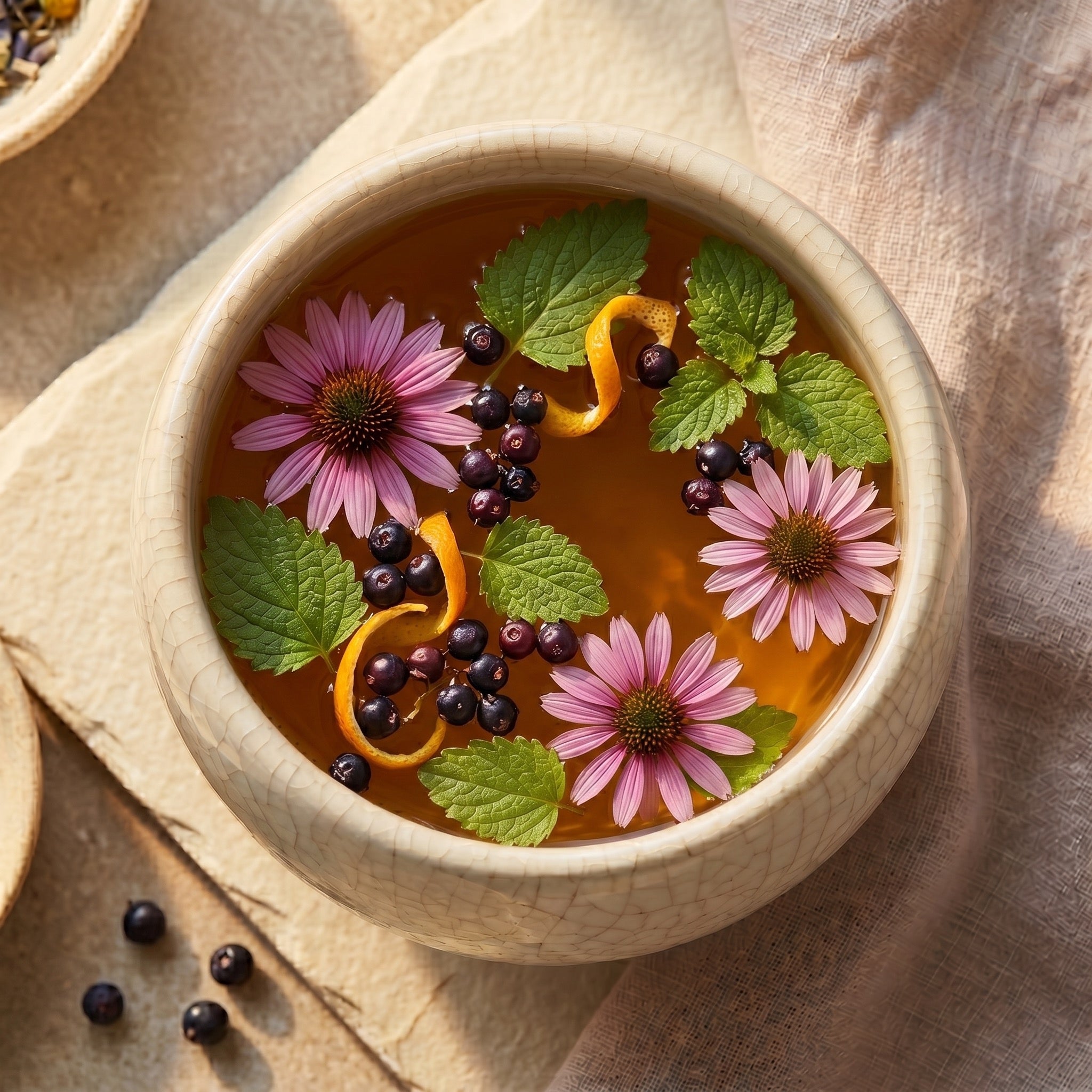
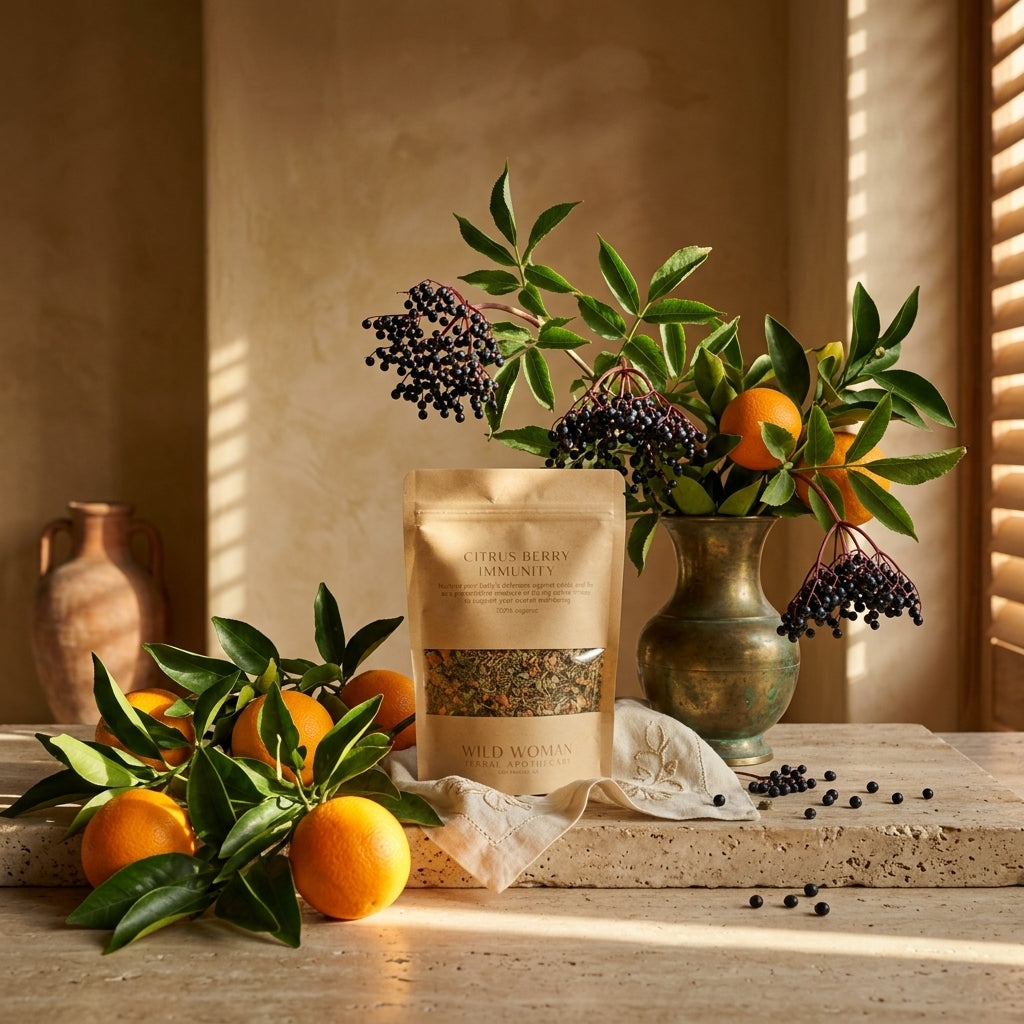
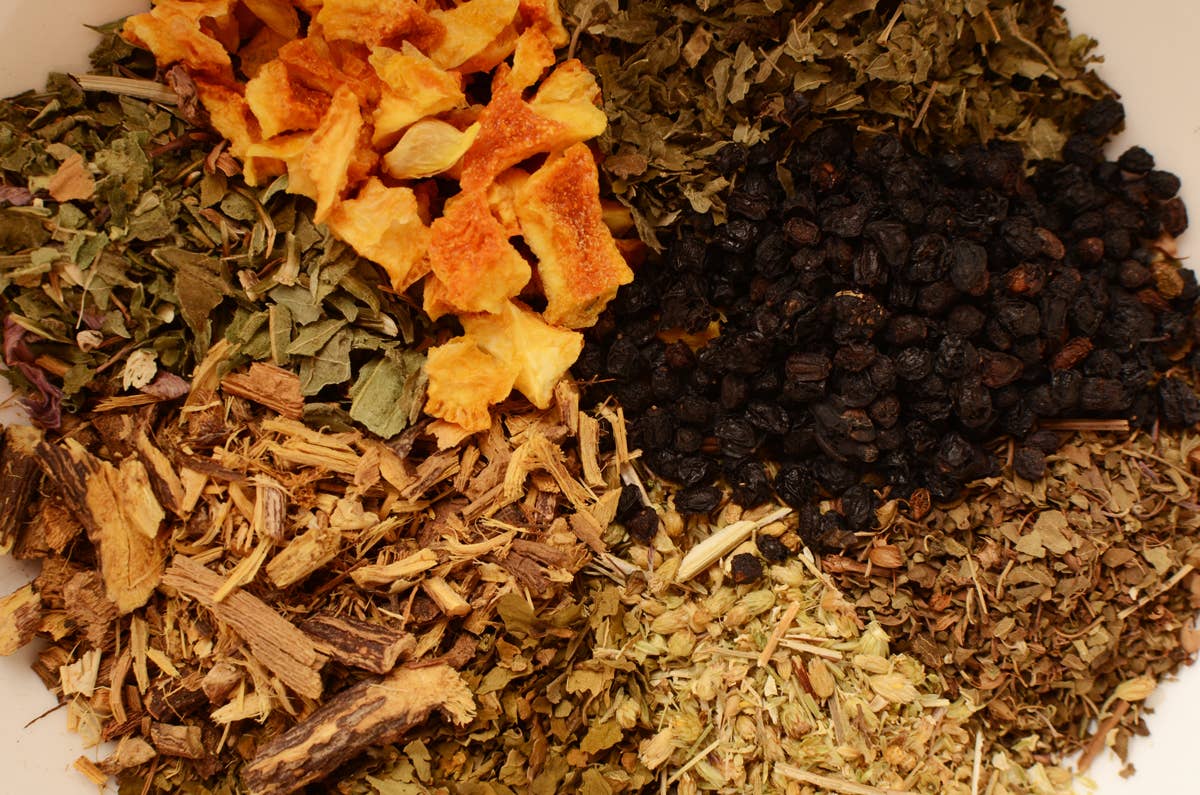
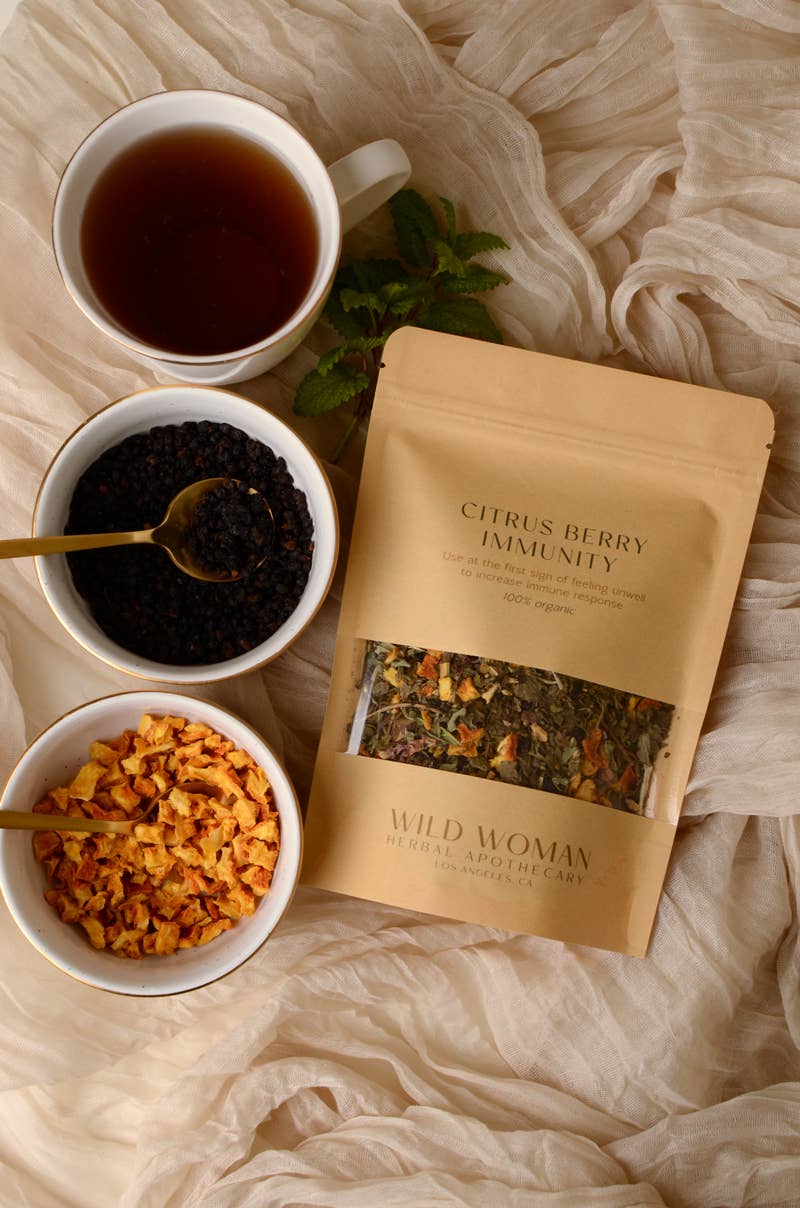
This is the herbal tea for immune support that meets you in the threshold weeks between seasons, when the body asks for closer attention and the world keeps moving anyway. Elderberry, echinacea, yarrow, and licorice root. The plants the old apothecaries reached for at the first turn in the weather, gathered into a bright citrus-berry cup you can sip warm by the fire or chilled through the long stretch of the afternoon.

citrus · berry · bright · warming

Citrus Berry Immunity Tea
Citrus Berry Immunity Tea Sale price$20.00

Citrus Berry Immunity

PRODUCT DETAILS

The Plants

In the older European apothecaries, the immune drawer was never one plant. It was four. The fruit that traveled with the cold weather (elderberry), the root that arrived in Europe from the American prairie and was added to the canon for seasonal use (echinacea), the aerial herb that the village healer pressed into service at the first turn in the weather (yarrow), and the demulcent root that the old herbalists kept on hand for the throat in the colder months (licorice). The completeness was the point. No single plant covered the whole territory.

This is the formula that holds that older completeness. Elderberry (Sambucus nigra) carries the long traditional association with the body's natural defenses through seasonal change. Echinacea (Echinacea purpurea), originally a North American prairie plant taken into Western herbalism in the nineteenth century, has been used continuously since to support the body's own response to seasonal transition. Yarrow (Achillea millefolium) is one of the most documented antimicrobial and diaphoretic herbs in the European folk record, gathered traditionally at the late summer transition and dried for use through the cooler months. Licorice Root (Glycyrrhiza glabra) earns its place in the cup not as a sweetener but as a true demulcent, the plant the old herbalists reached for to support throat comfort and respiratory ease.

Around these four sit the supporting layer. Tulsi for daily resilience. Lemon balm and orange peel for brightness and approachability. Together they make a tea that is more than a single-hero immune blend. It is the older, more complete cup that the women in the kitchen apothecaries actually made.

Tasting Notes

Tasting Notes

Citrus-bright · berry · gently herbal · warming finish

Ritual Moment

Ritual Moment

Daily · morning or afternoon

Season

Season

The threshold seasons

Energetics

Energetics

Brightening · steadying
Tasting Notes

Tasting Notes

Citrus-bright · berry · gently herbal · warming finish

Ritual Moment

Ritual Moment

Daily · morning or afternoon

Season

Season

The threshold seasons

Energetics

Energetics

Brightening · steadying

Elderberry

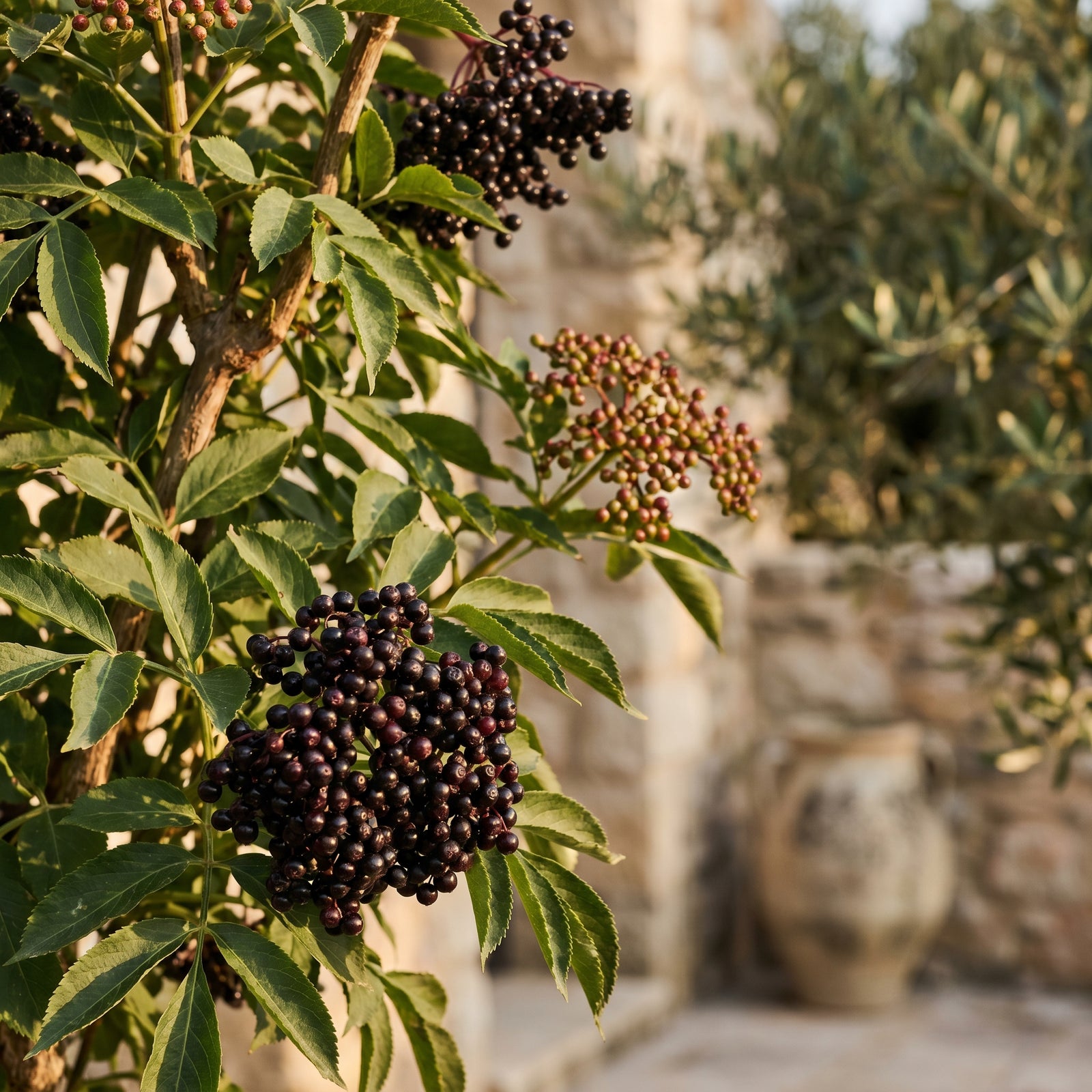
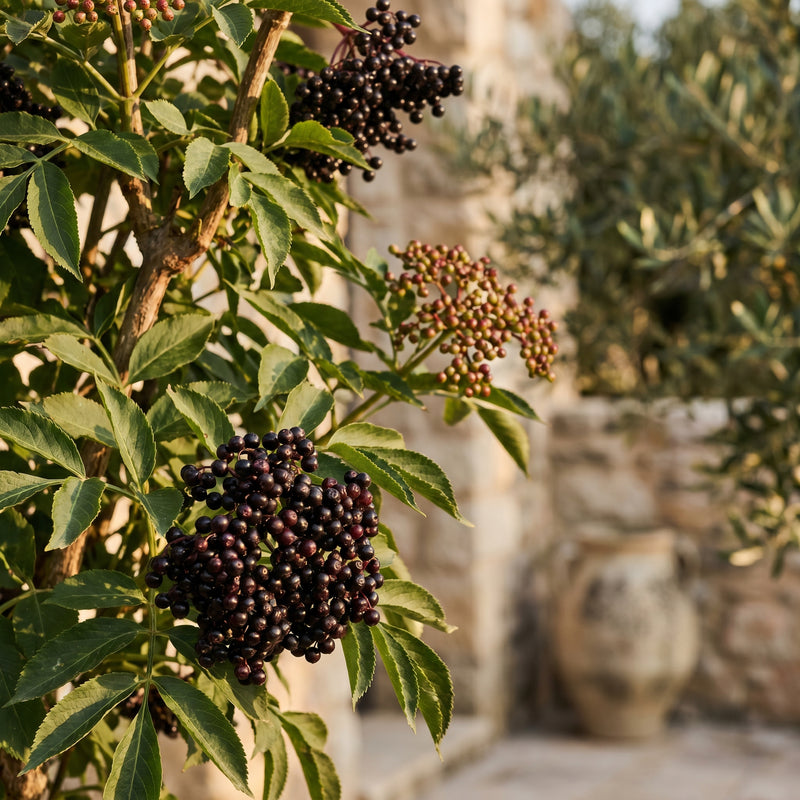
Elderberry grows wild along hedgerows in temperate regions across Europe and North America, the dark drooping clusters appearing in late summer when the air just begins to turn. The fruit was the seasonal medicine of the European peasant household: gathered when ripe, preserved as syrup or dried as berries, kept in the back of the cupboard for the months when the village got smaller and people stayed closer to the fire. In my own practice I think of elderberry as the plant that holds the wisdom of preparation. You do not pick it in January. You pick it in August and trust that by January, you will be glad you did.

Echinacea

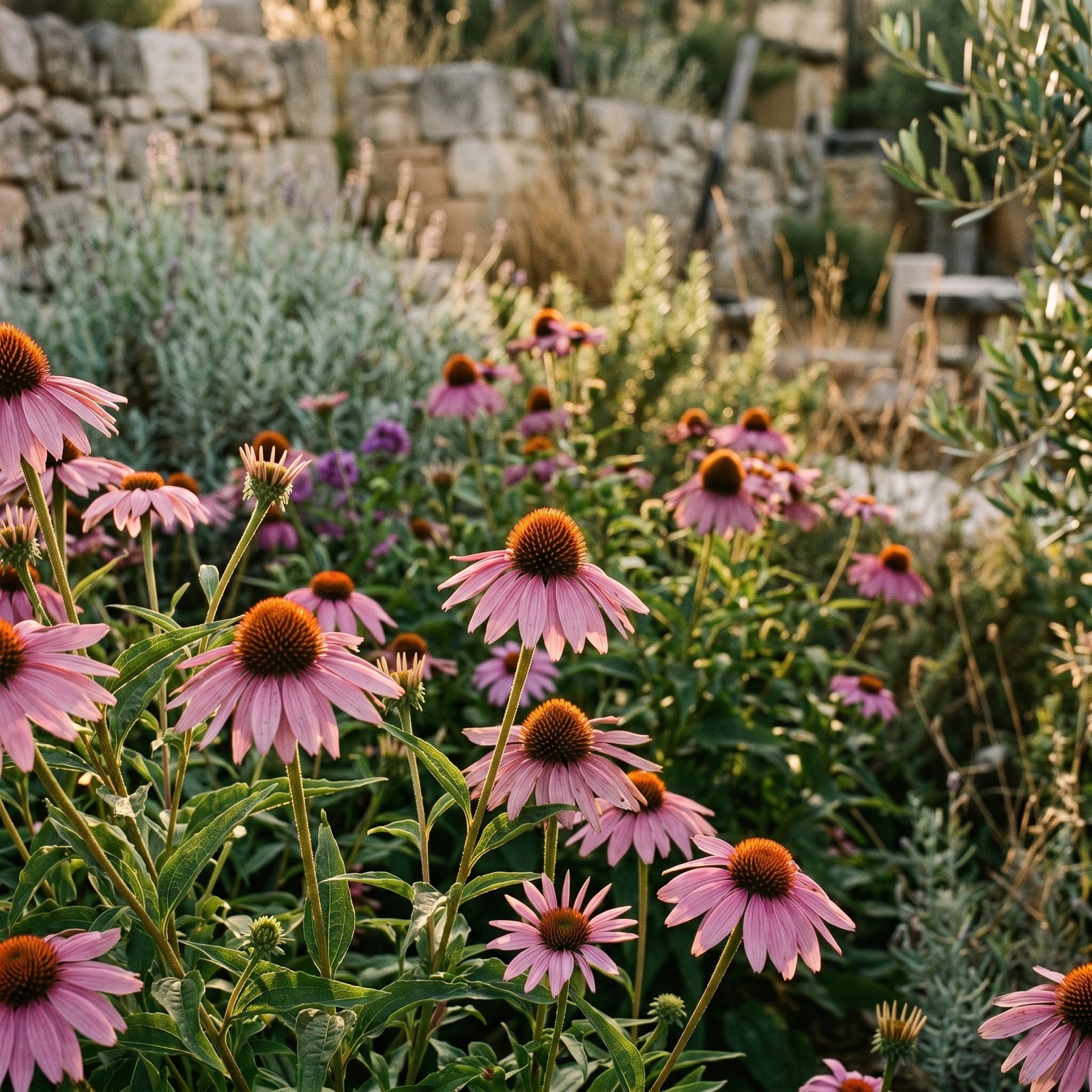
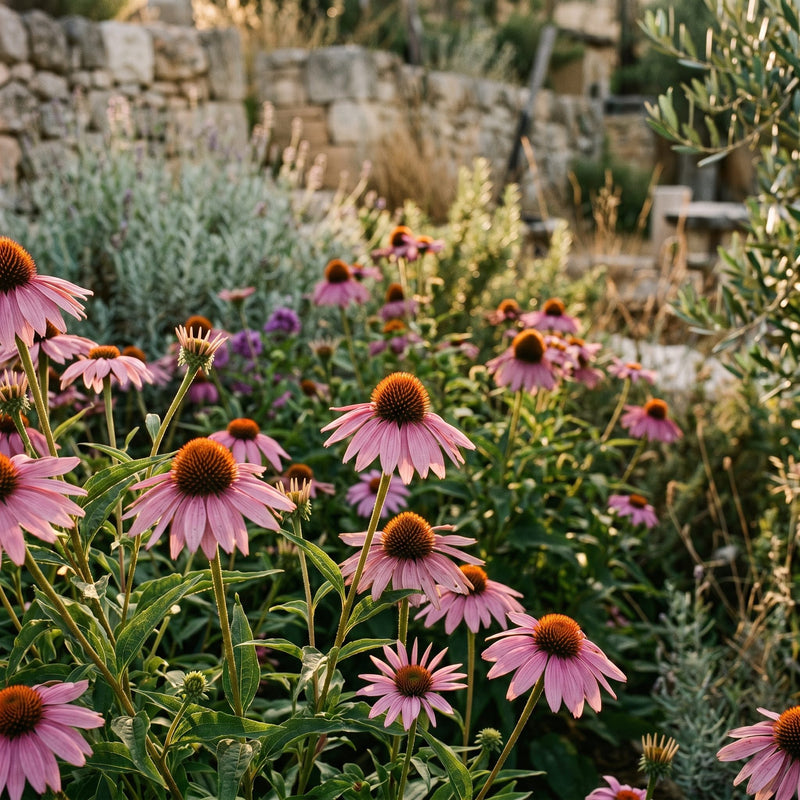
Echinacea is a prairie flower. It grows native across the central and eastern United States, the pink-purple petals laying back from a tall dark central cone, drawing the bees and the wind in equal measure. The Indigenous nations of the Great Plains knew this plant first and used it widely. The European-American herbalists of the nineteenth century learned it from them and carried it back into Western practice, where it has been used continuously since for seasonal support. In this formula I use the aerial parts, the flower and the leaf and the stem rather than the root, because the aerial parts dried for tea preserve the bright herbal note that complements the deeper elderberry.

Yarrow

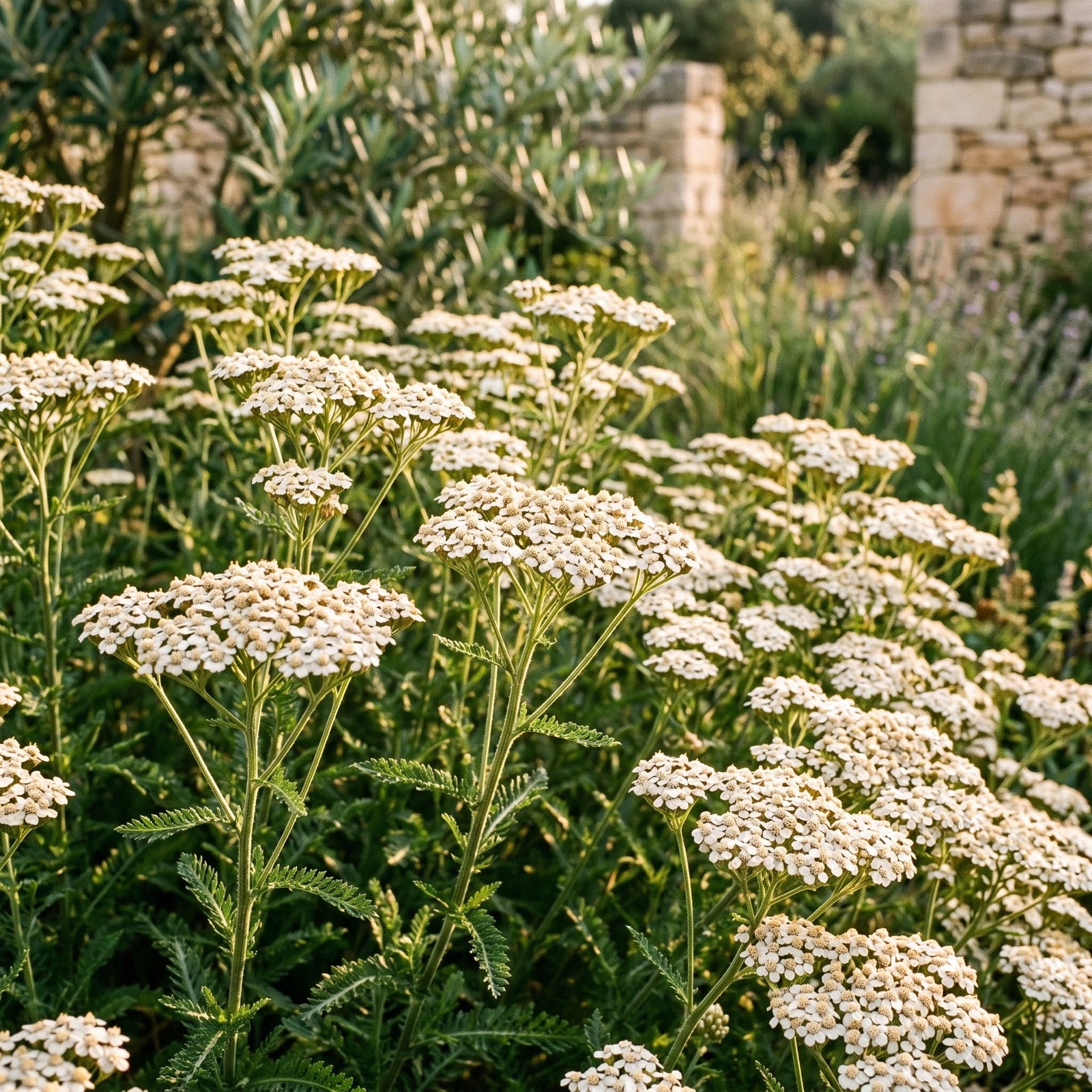
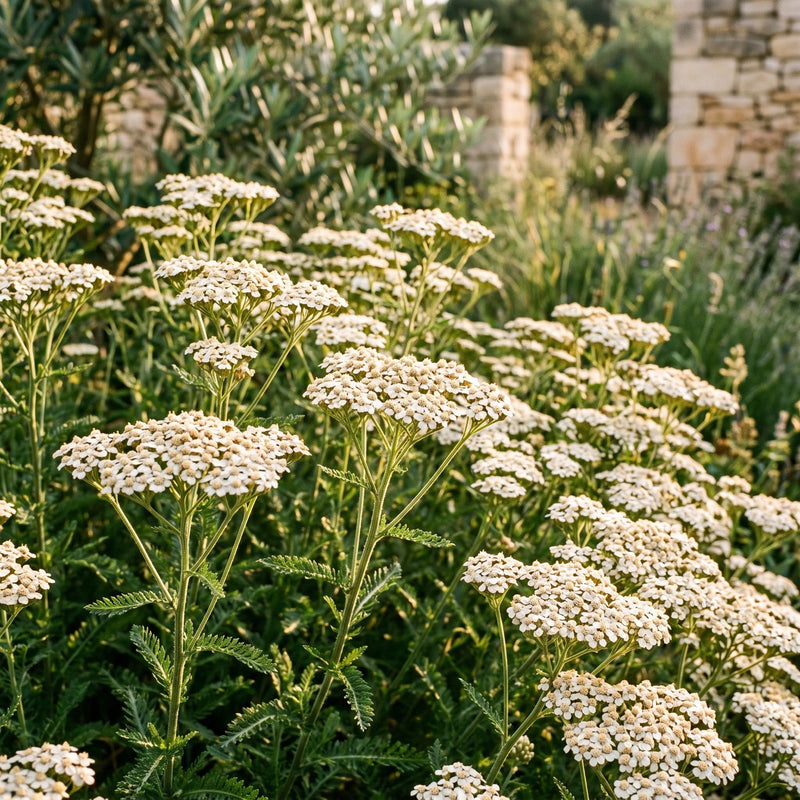
Yarrow grows everywhere. Roadside, meadow, the edges of pastures and lawns, the flat-topped white flower clusters appearing midsummer and lasting into autumn. It is one of the most universal of the European folk herbs, named for Achilles in the Greek tradition and reached for by village herbalists across the continent at the first signs of a changing season. In my training I learned yarrow as one of the most documented antimicrobial herbs in the Western record, the herb the old apothecaries kept dried in jars for the cooler months. I gather it myself when I can find a clean stand of it, and it dries to a faintly bitter, faintly sweet flavor that brings a herbal depth to the brighter notes of this tea.

Licorice Root

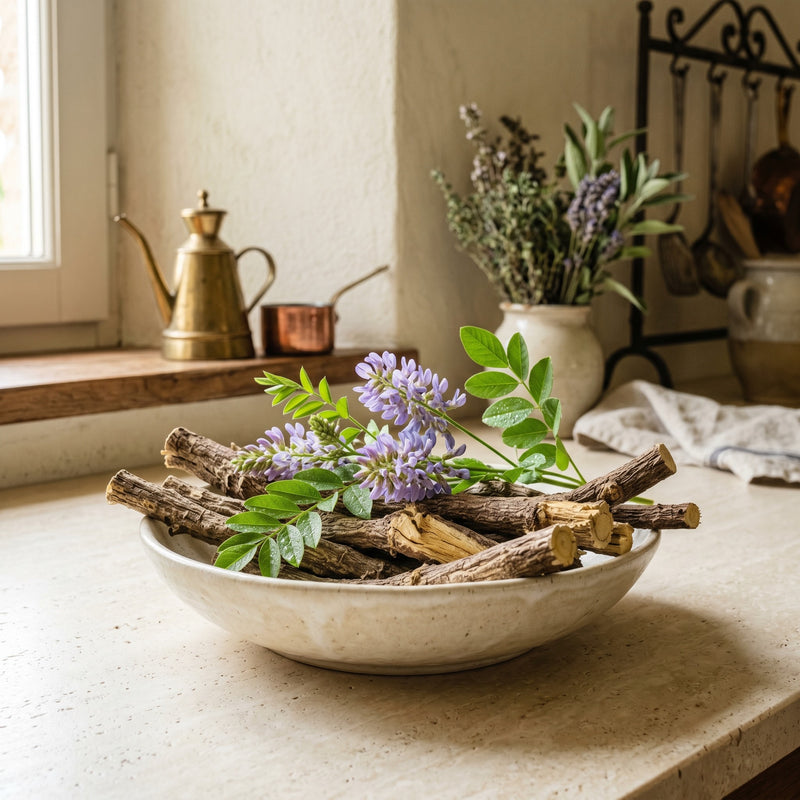
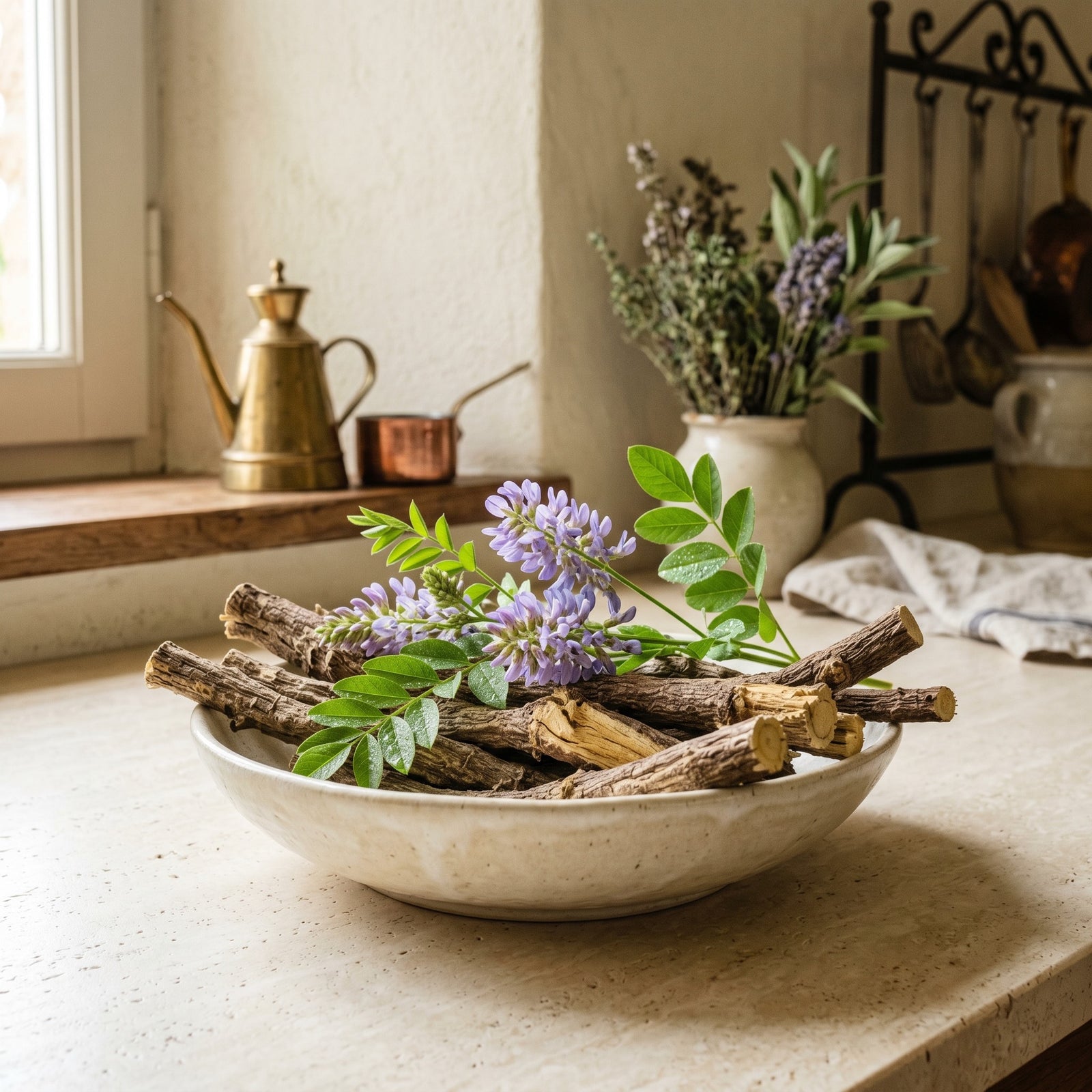
Licorice grows wild and cultivated across the Mediterranean basin, southern Europe, and parts of Western Asia, the long sweet roots dug at the end of the third year when the plant has put its energy underground. Most of what people know about licorice begins and ends with the candy. The herb itself is something different. The old Greek and Arabic apothecaries (Dioscorides wrote about it, as did Ibn Sina) used licorice as a true demulcent, the plant the village healer reached for when the throat and the chest needed softening through the colder months. In this formula I include licorice for that older purpose, not for sweetness.

Elderberry

Elderberry grows wild along hedgerows in temperate regions across Europe and North America, the dark drooping clusters appearing in late summer when the air just begins to turn. The fruit was the seasonal medicine of the European peasant household: gathered when ripe, preserved as syrup or dried as berries, kept in the back of the cupboard for the months when the village got smaller and people stayed closer to the fire. In my own practice I think of elderberry as the plant that holds the wisdom of preparation. You do not pick it in January. You pick it in August and trust that by January, you will be glad you did.

Echinacea

Echinacea is a prairie flower. It grows native across the central and eastern United States, the pink-purple petals laying back from a tall dark central cone, drawing the bees and the wind in equal measure. The Indigenous nations of the Great Plains knew this plant first and used it widely. The European-American herbalists of the nineteenth century learned it from them and carried it back into Western practice, where it has been used continuously since for seasonal support. In this formula I use the aerial parts, the flower and the leaf and the stem rather than the root, because the aerial parts dried for tea preserve the bright herbal note that complements the deeper elderberry.

Yarrow

Yarrow grows everywhere. Roadside, meadow, the edges of pastures and lawns, the flat-topped white flower clusters appearing midsummer and lasting into autumn. It is one of the most universal of the European folk herbs, named for Achilles in the Greek tradition and reached for by village herbalists across the continent at the first signs of a changing season. In my training I learned yarrow as one of the most documented antimicrobial herbs in the Western record, the herb the old apothecaries kept dried in jars for the cooler months. I gather it myself when I can find a clean stand of it, and it dries to a faintly bitter, faintly sweet flavor that brings a herbal depth to the brighter notes of this tea.

Licorice Root

Licorice grows wild and cultivated across the Mediterranean basin, southern Europe, and parts of Western Asia, the long sweet roots dug at the end of the third year when the plant has put its energy underground. Most of what people know about licorice begins and ends with the candy. The herb itself is something different. The old Greek and Arabic apothecaries (Dioscorides wrote about it, as did Ibn Sina) used licorice as a true demulcent, the plant the village healer reached for when the throat and the chest needed softening through the colder months. In this formula I include licorice for that older purpose, not for sweetness.

Jasmine's Note

My grandmother didn't call it herbalism. She just knew things — which plants to reach for, which roots to dry, what the earth offered when the body asked. She learned it from her father, who kept a garden in Biloxi and understood plants the way some people understand people. That knowledge passed to her, and quietly, to me.

I didn't fully understand what I'd inherited until my own body started asking questions that medicine couldn't answer. Hormonal chaos, long seasons of depression, the particular exhaustion of feeling disconnected from yourself. I remembered the whisperings. I turned back toward the plants. Everything in this apothecary came from that turning — things I made for myself first, and then for the women in my life who needed the same. I offer them to you the way my grandmother offered what she knew: as a hand extended, as something real.

-Jasmine

Rooted in Lineage. Made with Reverence.

Every formula in this apothecary is made in small batches in Los Angeles, using herbs that are organically grown or seasonally wildcrafted whenever possible. We work with plants at the peak of their potency — harvested in the right season, prepared slowly, and handled with the same reverence we hope you bring to using them.

This is medicine in the oldest sense of the word: plant wisdom, carefully tended, passed forward with care.

Frequently Asked Questions

A Note on Plant Medicine

Plants are powerful — and like any potent thing, they deserve to be used with care and knowledge. These formulas are crafted with intention, but they are not a substitute for medical guidance. Before beginning a new herbal practice, we encourage you to speak with your healthcare provider, especially if you are pregnant, nursing, trying to conceive, managing a health condition, or taking prescription medication. Wild Woman products are not intended to diagnose, treat, cure, or prevent any disease.