





Skip to content

Cart

Your cart is empty

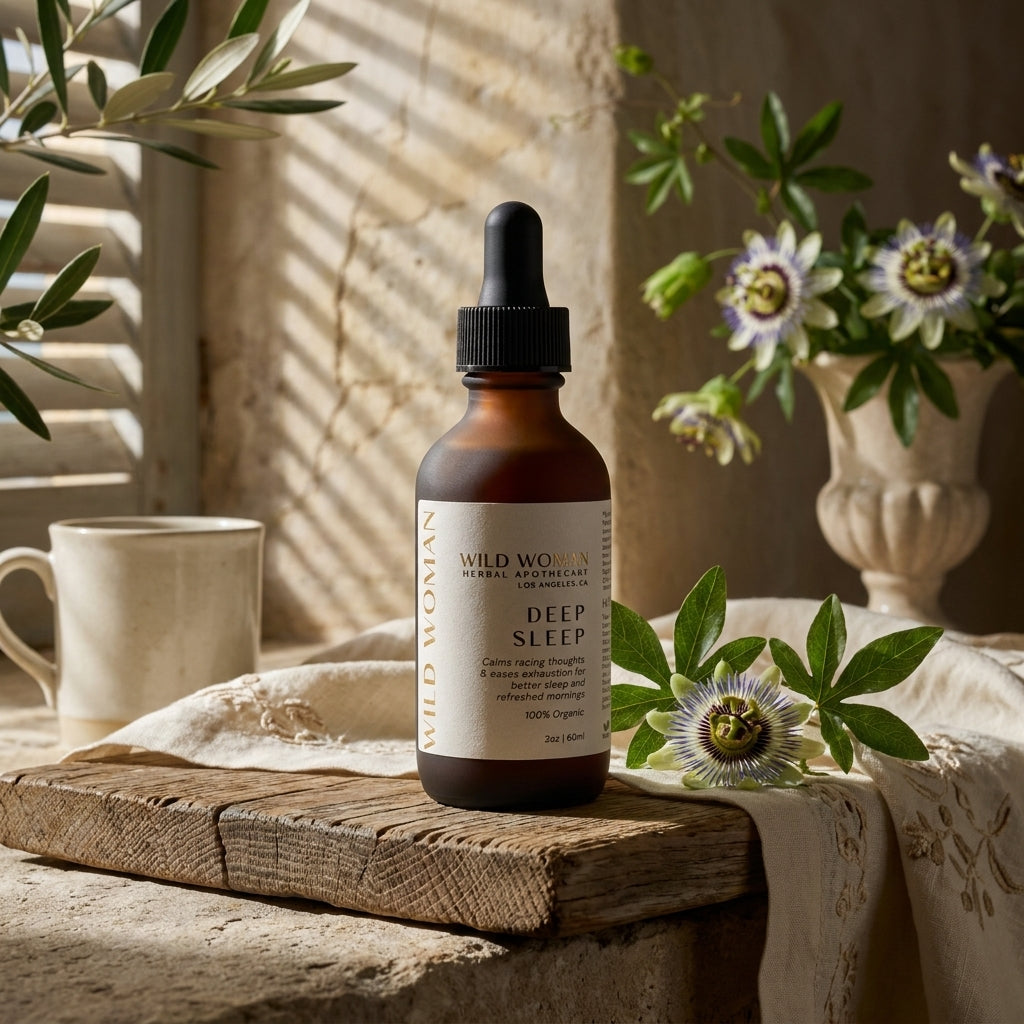
Deep Sleep Tincture

enhances restful sleep

Sale price$30.00

There is a particular kind of tired that comes when the body has given everything and the mind still will not stop. This herbal sleep tincture was made for that hour: three nervine plants women have reached for across centuries of sleeplessness, prepared in the slow tradition. The plants don't force rest. They create the conditions for the body to remember it.

earthy · faintly bitter · a warmth that settles slowly at the throat · amber and resinous · made for the last hour of the day

Deep Sleep Tincture
Deep Sleep Tincture Sale price$30.00

Deep Sleep

PRODUCT DETAILS

The Plants

This formula was built around a single question: what does the nervous system need to remember how to soften? Not to be forced into sleep. To remember how.

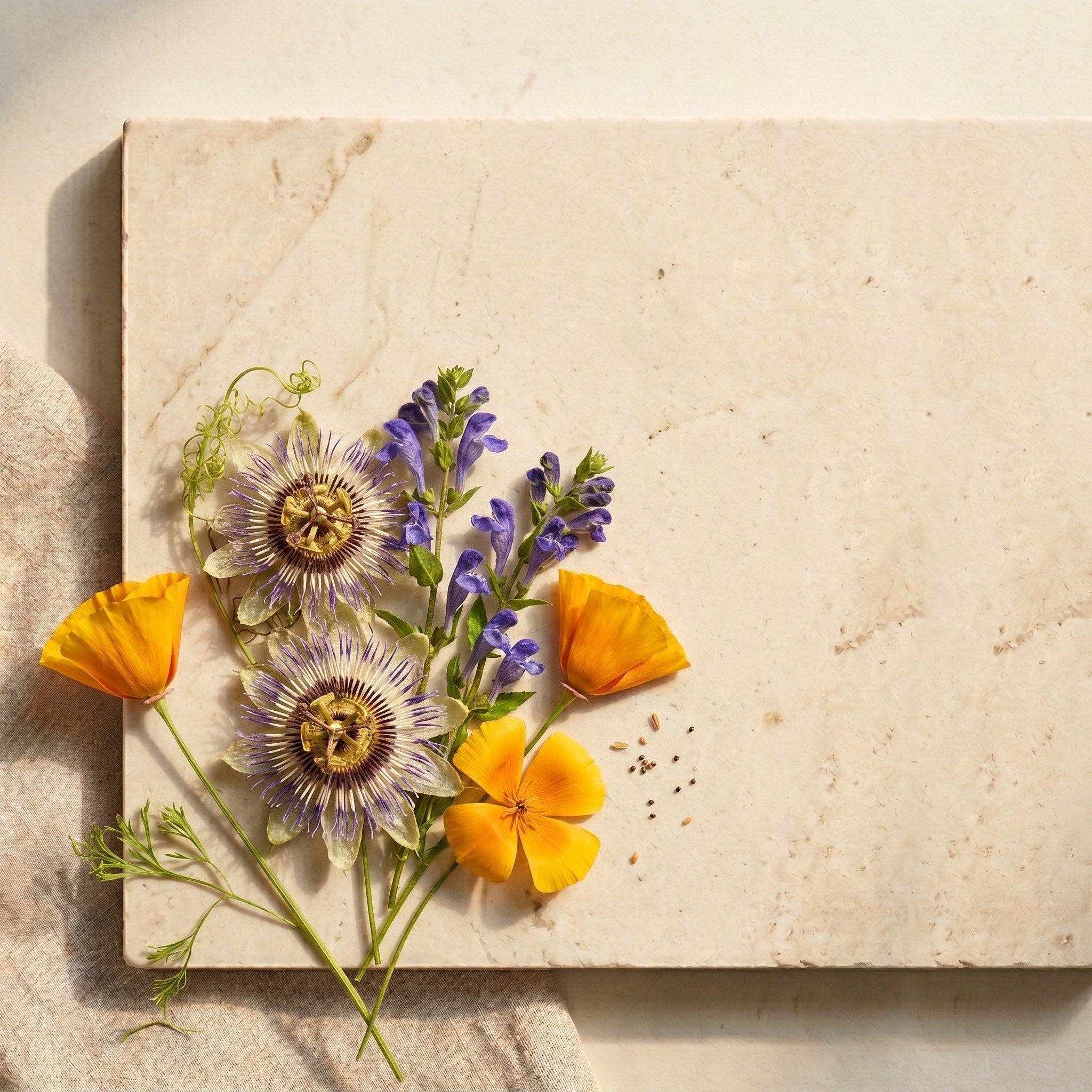
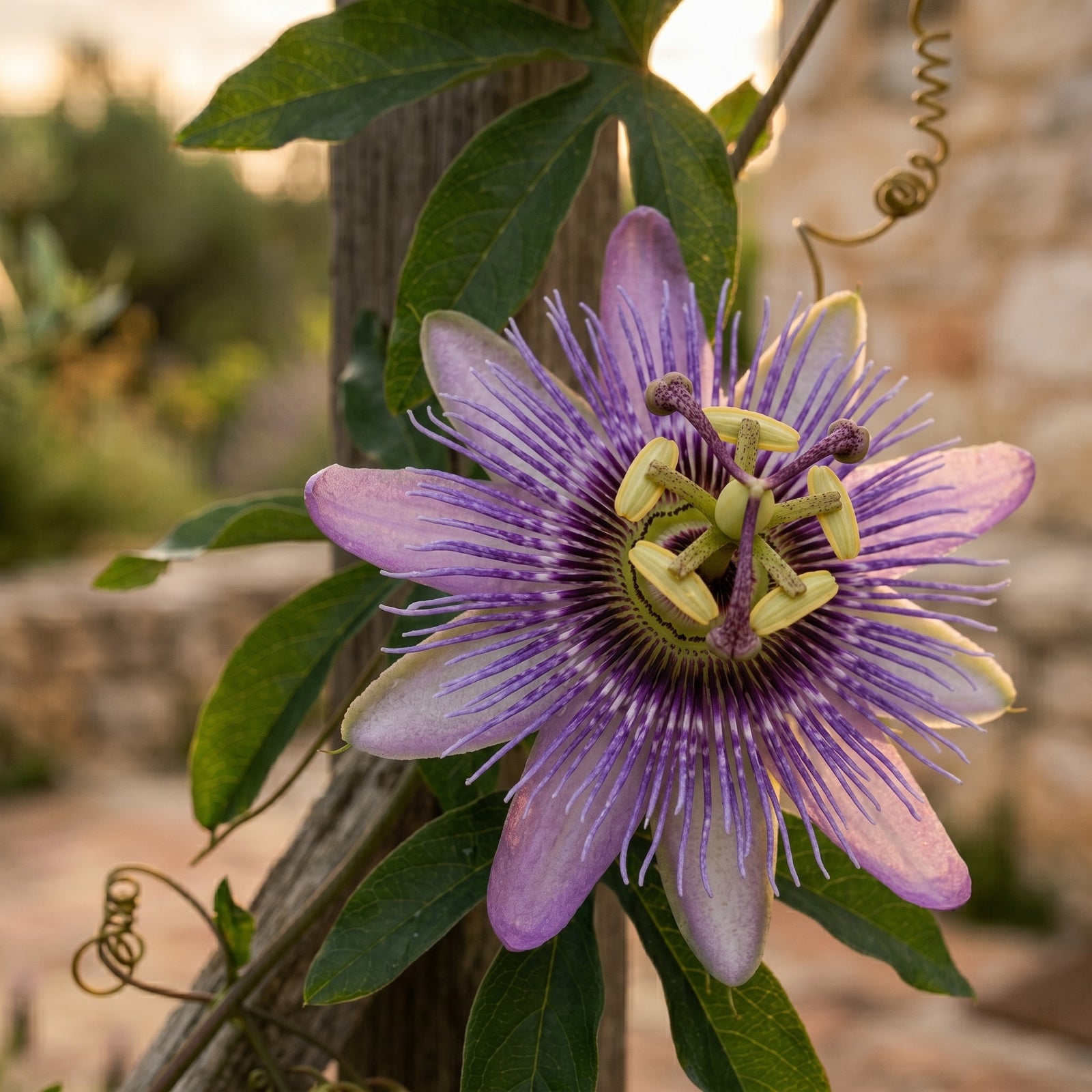
Passionflower speaks to the quality of thought that grows louder as the body grows quieter. The circular thinking. The day replaying itself. The mind that will not accept that the work is done. Skullcap addresses what lives in the body itself: the held tension in the jaw, the neck, the shoulders, the places where effort accumulates and doesn't know how to leave. California poppy works differently from either. Gentler, more physical, with a deep affinity for the nervous system's edges. Together, these three nervines do what none of them could accomplish on their own.

This is a valerian-free formula. Not because valerian is wrong. For some women, valerian carries a weight and a depth that isn't needed every night. California poppy offers an easier hand. The result is rest that feels earned, not enforced.

Tasting Notes

Tasting Notes

earthy · faintly bitter · a warmth that settles at the back of the throat

Ritual Moment

Ritual Moment

evening · the last hour before sleep

Energetics

Energetics

deeply calming · softening

Pairs With

Pairs With

evening tea · journaling · legs up the wall · a screen-free hour
Tasting Notes

Tasting Notes

earthy · faintly bitter · a warmth that settles at the back of the throat

Ritual Moment

Ritual Moment

evening · the last hour before sleep

Energetics

Energetics

deeply calming · softening

Pairs With

Pairs With

evening tea · journaling · legs up the wall · a screen-free hour
Passionflower

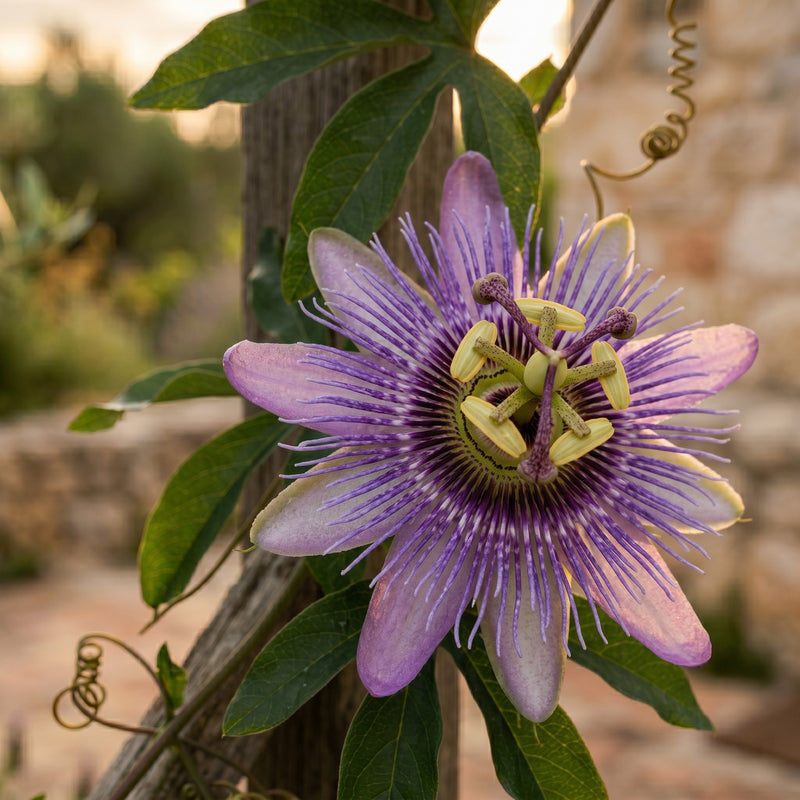
Passionflower climbs wherever it finds something to hold: fence lines, old roadsides, the tangled edges of things. I find something honest in that image for a plant associated with the quality of surrender, with the nervous system's capacity to stop gripping and let go. It has been used across centuries and many traditions for the particular sleeplessness that comes not from the body's fatigue but from the mind's refusal to quiet. Passionflower doesn't knock you out. It simply makes rest feel possible again, which for many women is the only thing that was ever missing.

Skullcap

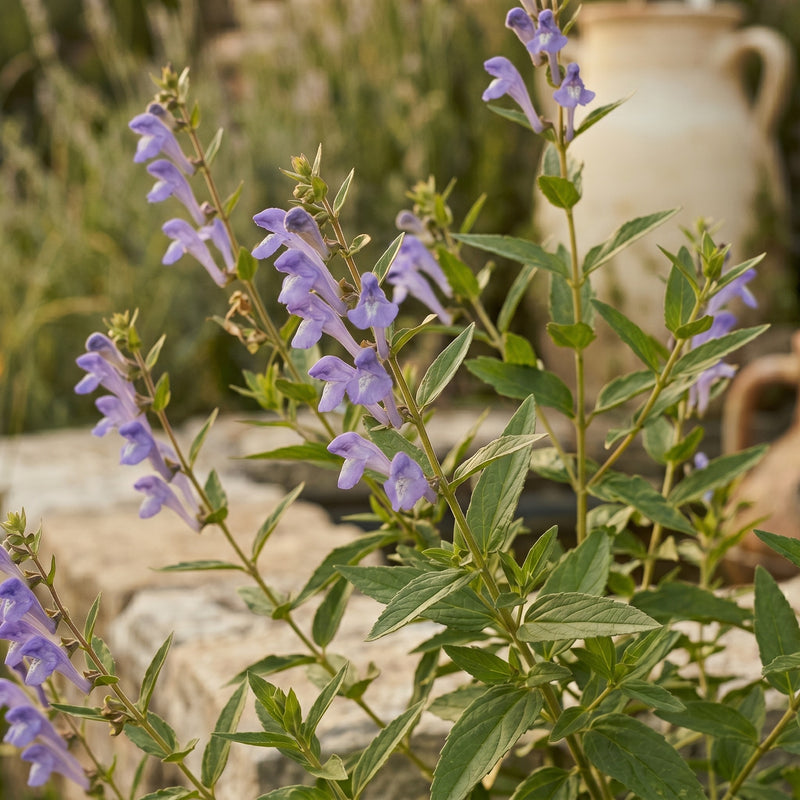
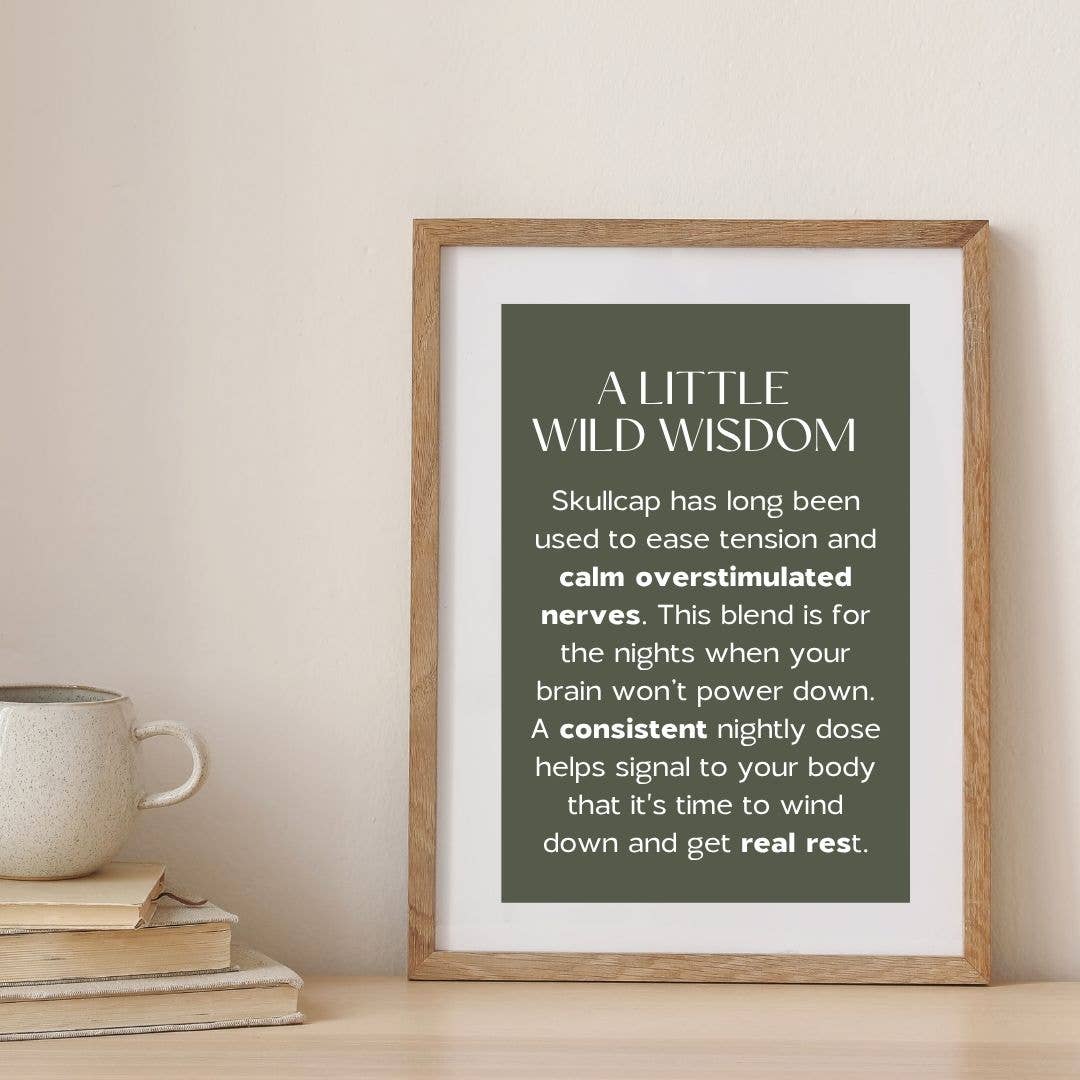
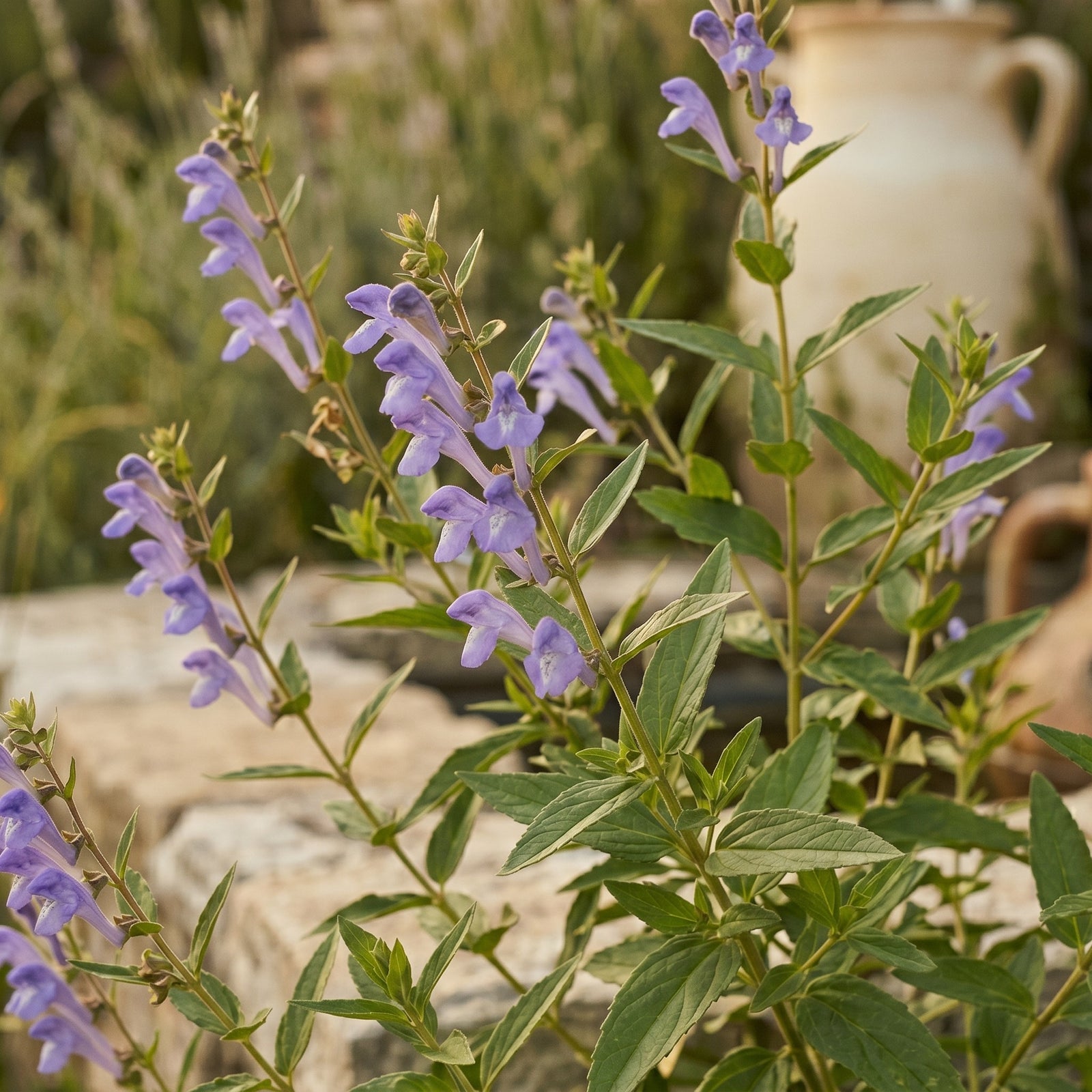
Skullcap grows in the damp, shaded places: along stream banks and woodland margins, in the company of quiet. It has a particular affinity for the mind that has been running too fast for too long, the one that keeps generating the next thought before the last one has finished, that loops back through the day even after the body has given up. North American herbalists have called it the herb for overstimulation: not anxiety in the dramatic sense, but the ordinary relentlessness of a mind that doesn't know its own off switch. What I find true of this plant in practice is that it doesn't sedate you. It returns you to yourself. There is a difference between collapsing from exhaustion and exhaling into rest, and skullcap knows it.

California Poppy

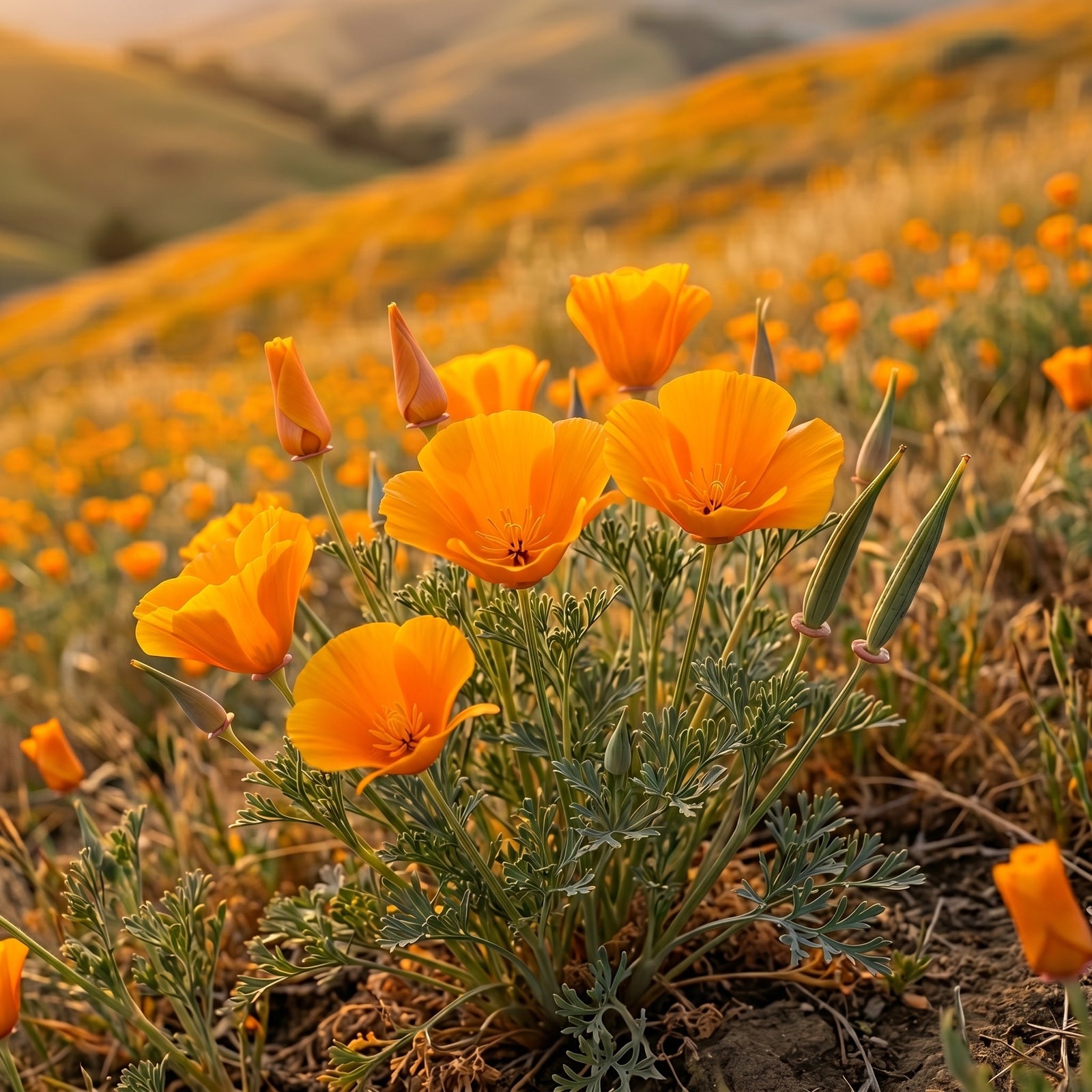
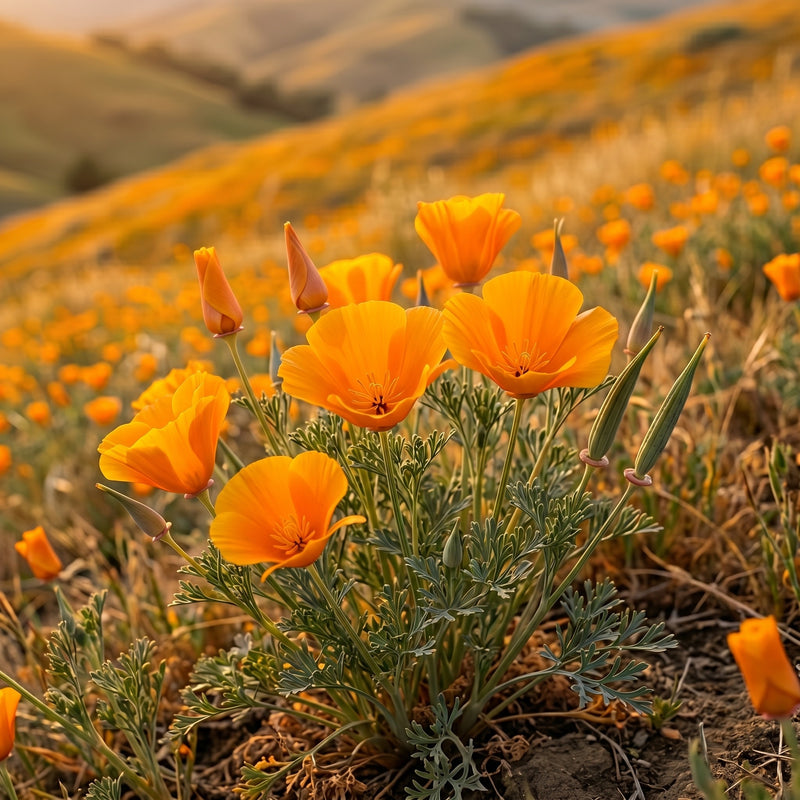
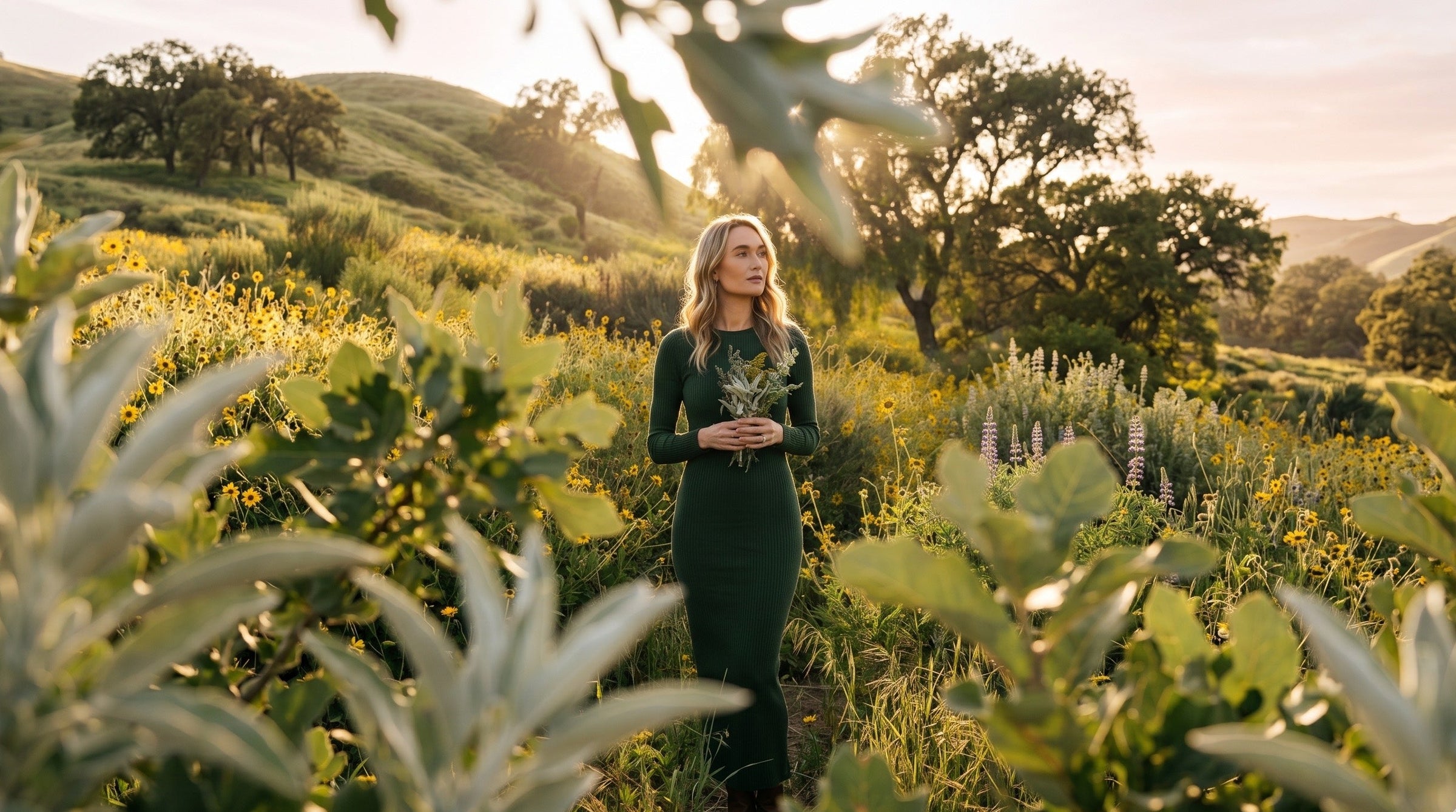
California poppy grows wild here, in the dry hills and open meadows of the state where I make these formulas. Bright orange, improbably cheerful, and one of the gentlest nervines I know. It is not related to the opium poppy in any meaningful way: it shares only the color and a distant botanical family, not the chemistry. I include it in this formula for its quality of ease, a gentle loosening of the nervous system's grip without the heaviness that heavier sleep herbs can carry. For the woman who wants rest without weight, this plant understands exactly what she's asking for.

Passionflower

Passionflower climbs wherever it finds something to hold: fence lines, old roadsides, the tangled edges of things. I find something honest in that image for a plant associated with the quality of surrender, with the nervous system's capacity to stop gripping and let go. It has been used across centuries and many traditions for the particular sleeplessness that comes not from the body's fatigue but from the mind's refusal to quiet. Passionflower doesn't knock you out. It simply makes rest feel possible again, which for many women is the only thing that was ever missing.

Skullcap

Skullcap grows in the damp, shaded places: along stream banks and woodland margins, in the company of quiet. It has a particular affinity for the mind that has been running too fast for too long, the one that keeps generating the next thought before the last one has finished, that loops back through the day even after the body has given up. North American herbalists have called it the herb for overstimulation: not anxiety in the dramatic sense, but the ordinary relentlessness of a mind that doesn't know its own off switch. What I find true of this plant in practice is that it doesn't sedate you. It returns you to yourself. There is a difference between collapsing from exhaustion and exhaling into rest, and skullcap knows it.

California Poppy

California poppy grows wild here, in the dry hills and open meadows of the state where I make these formulas. Bright orange, improbably cheerful, and one of the gentlest nervines I know. It is not related to the opium poppy in any meaningful way: it shares only the color and a distant botanical family, not the chemistry. I include it in this formula for its quality of ease, a gentle loosening of the nervous system's grip without the heaviness that heavier sleep herbs can carry. For the woman who wants rest without weight, this plant understands exactly what she's asking for.

The Ritual

Practices that support the plants

Honor Yourself

Quiet Reflection
Pull one card from whatever deck lives on your nightstand, and sit with the question it raises for a few quiet minutes. Or, if that isn't your practice, write one sentence about what the day asked of you and close the journal. The lights go low. The rest of the evening is yours.

Return to the body

Melt into calm

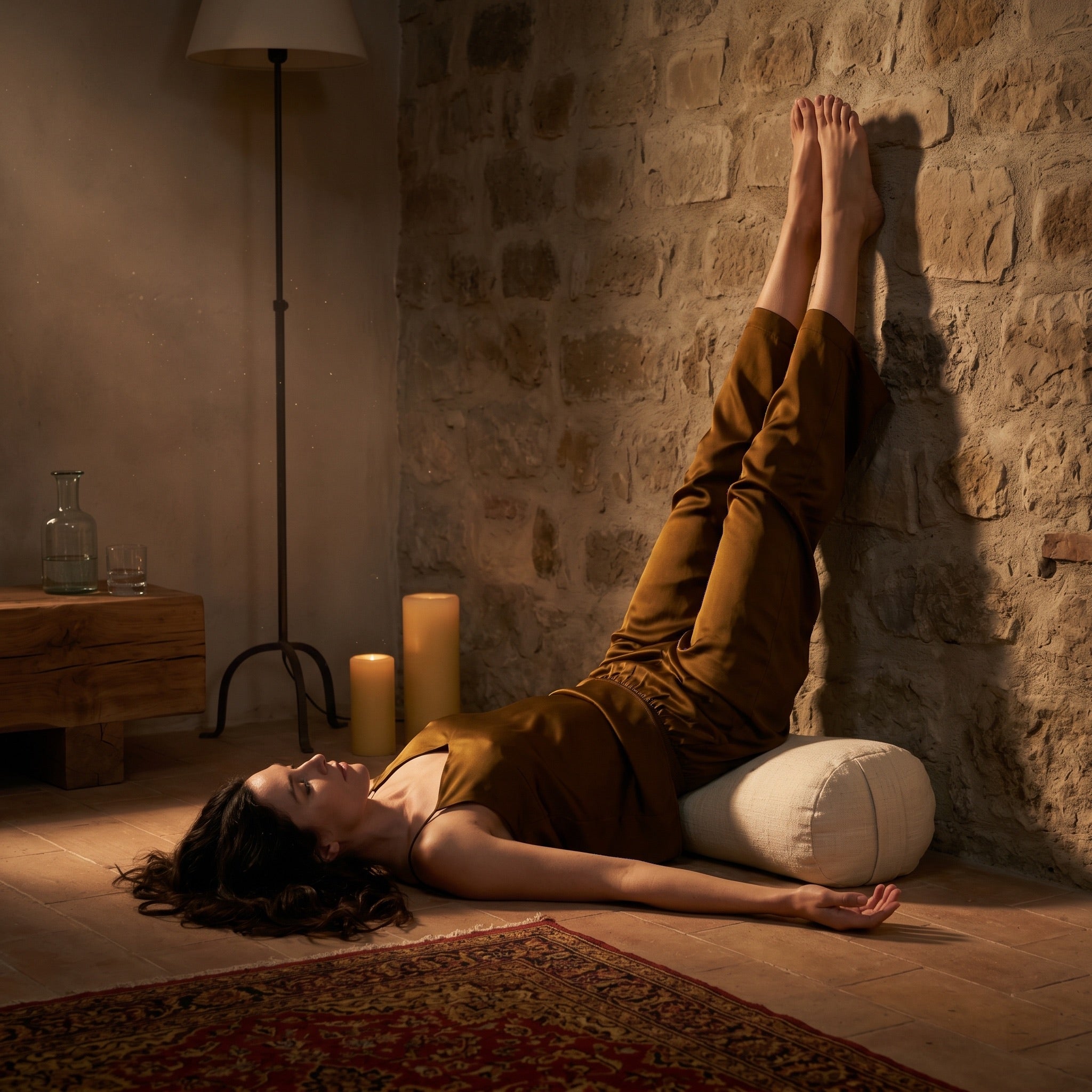
Legs up the wall, Viparita Karani in the restorative yoga tradition, is one of the fastest ways the nervous system knows to shift from alert to open. Ten minutes, a folded blanket under the hips if you need it. Let the jaw go first. Then the shoulders. The breath will follow when it's ready.

Remember the earth

Rooted in something older

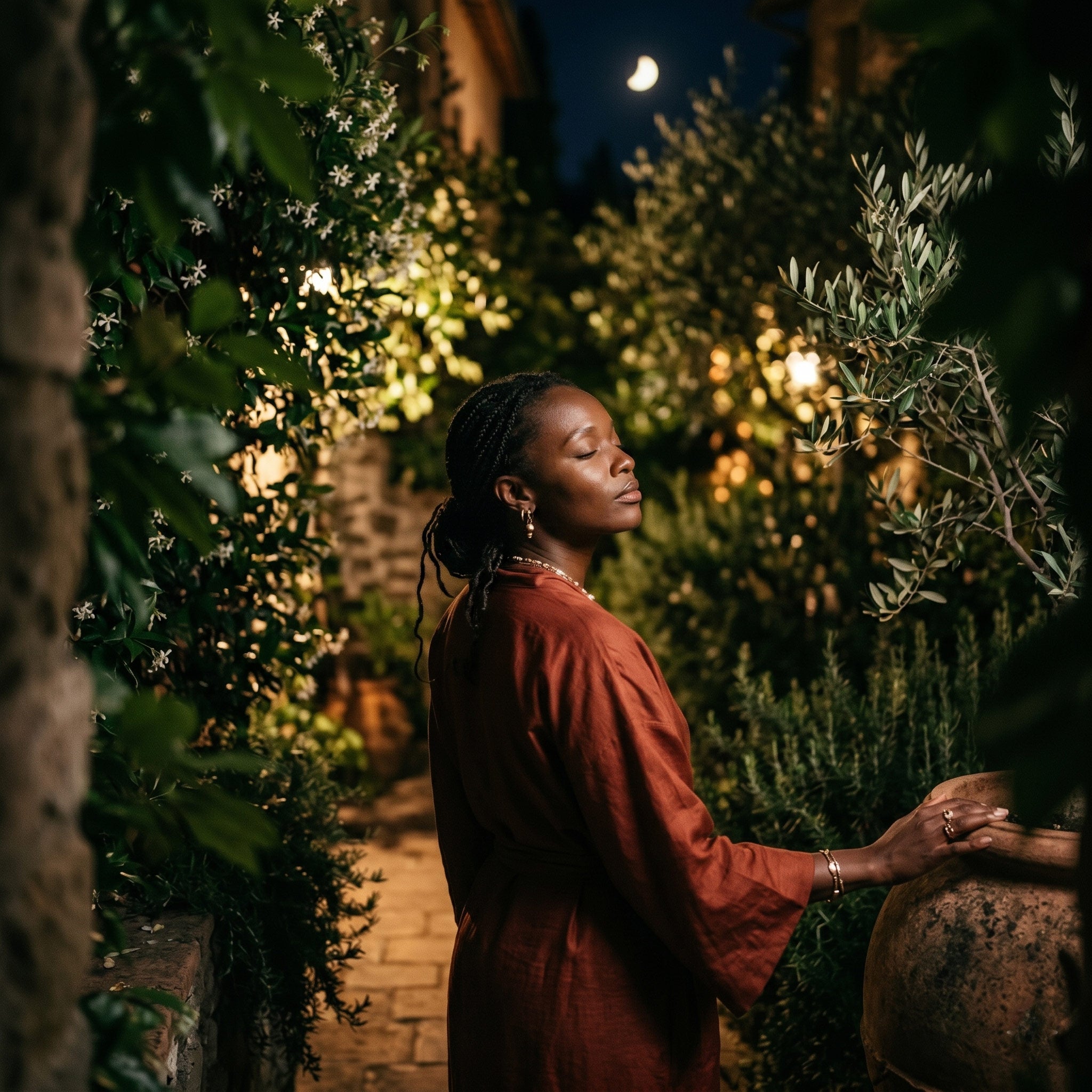
Step outside, even just to the doorstep, and feel what the night air is carrying. The dark has always been the earth's invitation to rest: every creature that lives outdoors knows this by instinct. The plants in tonight's tincture come from that same ancient rhythm. You are not separate from any of it.

Rooted in Lineage. Made with Reverence.

Every plant in this formula was chosen the way women have always chosen medicine: not from a catalog, but from knowledge passed hand to hand across generations of women who knew this territory. The herbs are USDA Certified Organic, harvested at peak potency, and tinctured in small batches in Los Angeles at a 1:5 ratio in organic sugarcane extract and vegetable glycerine. Nothing is rushed. Nothing is outsourced. The bottle you hold is the same formula Jasmine makes for her own family.

This is not a supplement. It is a practice — rooted in traditions older than every certification it carries, and built to outlast every trend.

Jasmine's Note

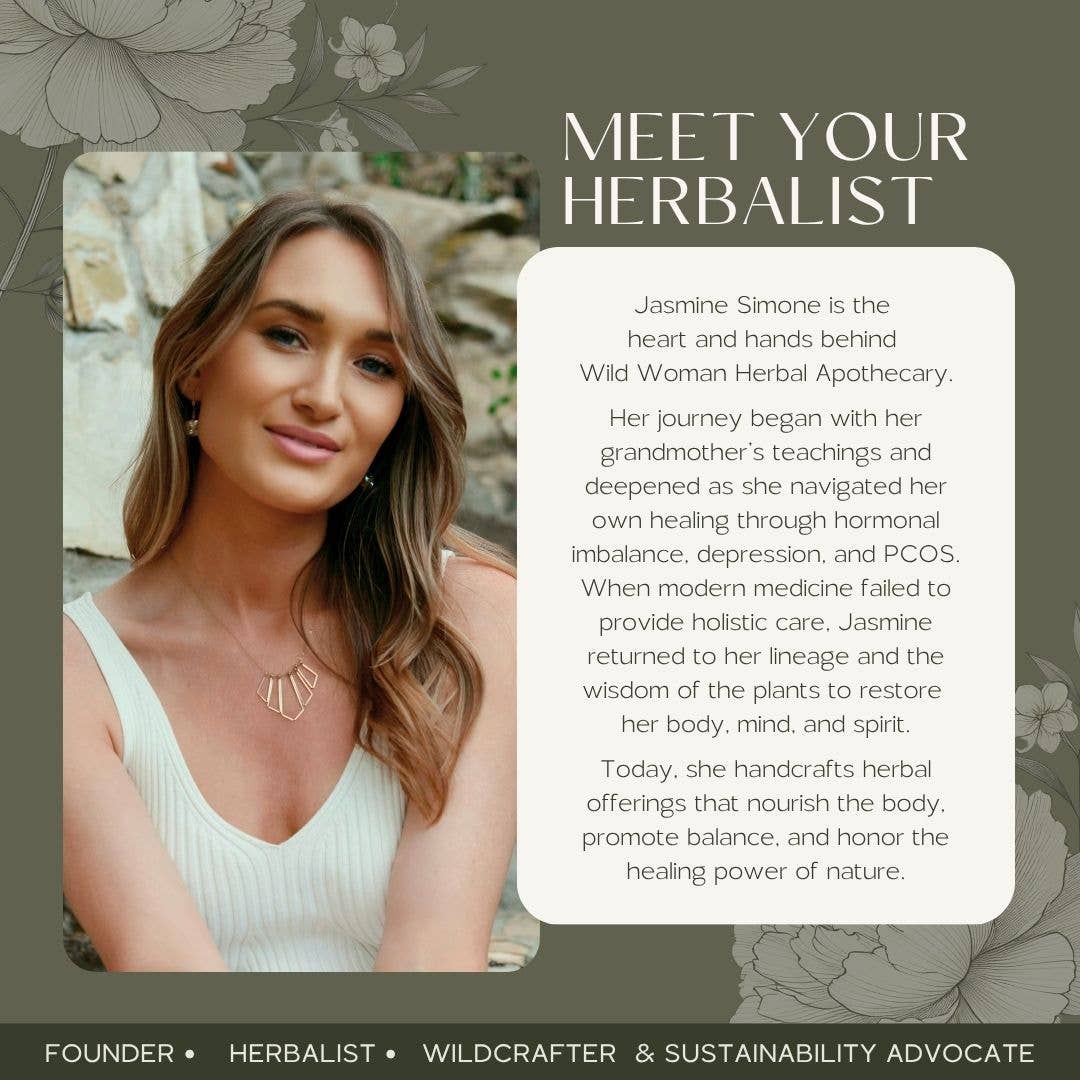
My grandmother didn't call it herbalism. She just knew things — which plants to reach for, which roots to dry, what the earth offered when the body asked. She learned it from her father, who kept a garden in Biloxi and understood plants the way some people understand people. That knowledge passed to her, and quietly, to me.

I didn't fully understand what I'd inherited until my own body started asking questions that medicine couldn't answer. Hormonal chaos, long seasons of depression, the particular exhaustion of feeling disconnected from yourself. I remembered the whisperings. I turned back toward the plants. Everything in this apothecary came from that turning — things I made for myself first, and then for the women in my life who needed the same. I offer them to you the way my grandmother offered what she knew: as a hand extended, as something real.

-Jasmine

Frequently Asked Questions

A Note on Plant Medicine

Plants are powerful — and like any potent thing, they deserve to be used with care and knowledge. These formulas are crafted with intention, but they are not a substitute for medical guidance. Before beginning a new herbal practice, we encourage you to speak with your healthcare provider, especially if you are pregnant, nursing, trying to conceive, managing a health condition, or taking prescription medication. Wild Woman products are not intended to diagnose, treat, cure, or prevent any disease.