







Skip to content

Cart

Your cart is empty

DAILY ADAPTOGENS

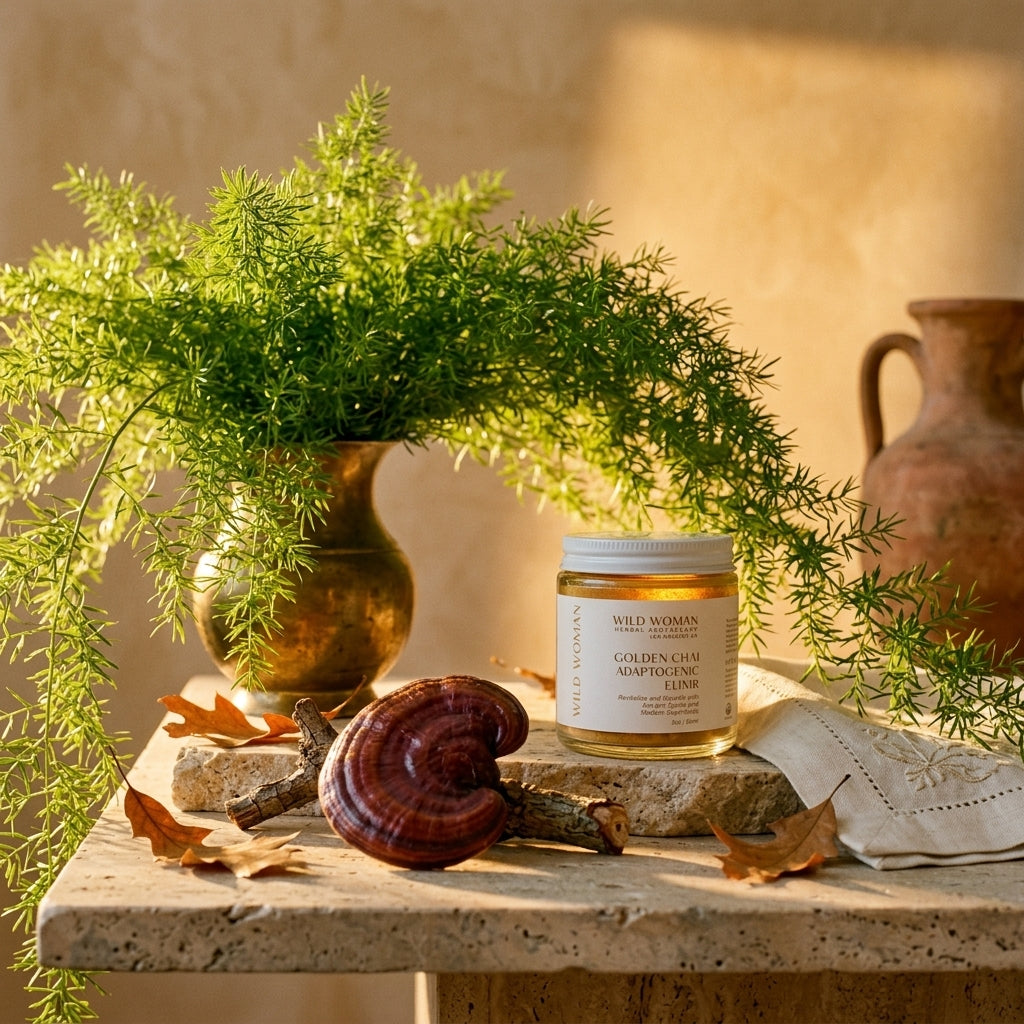
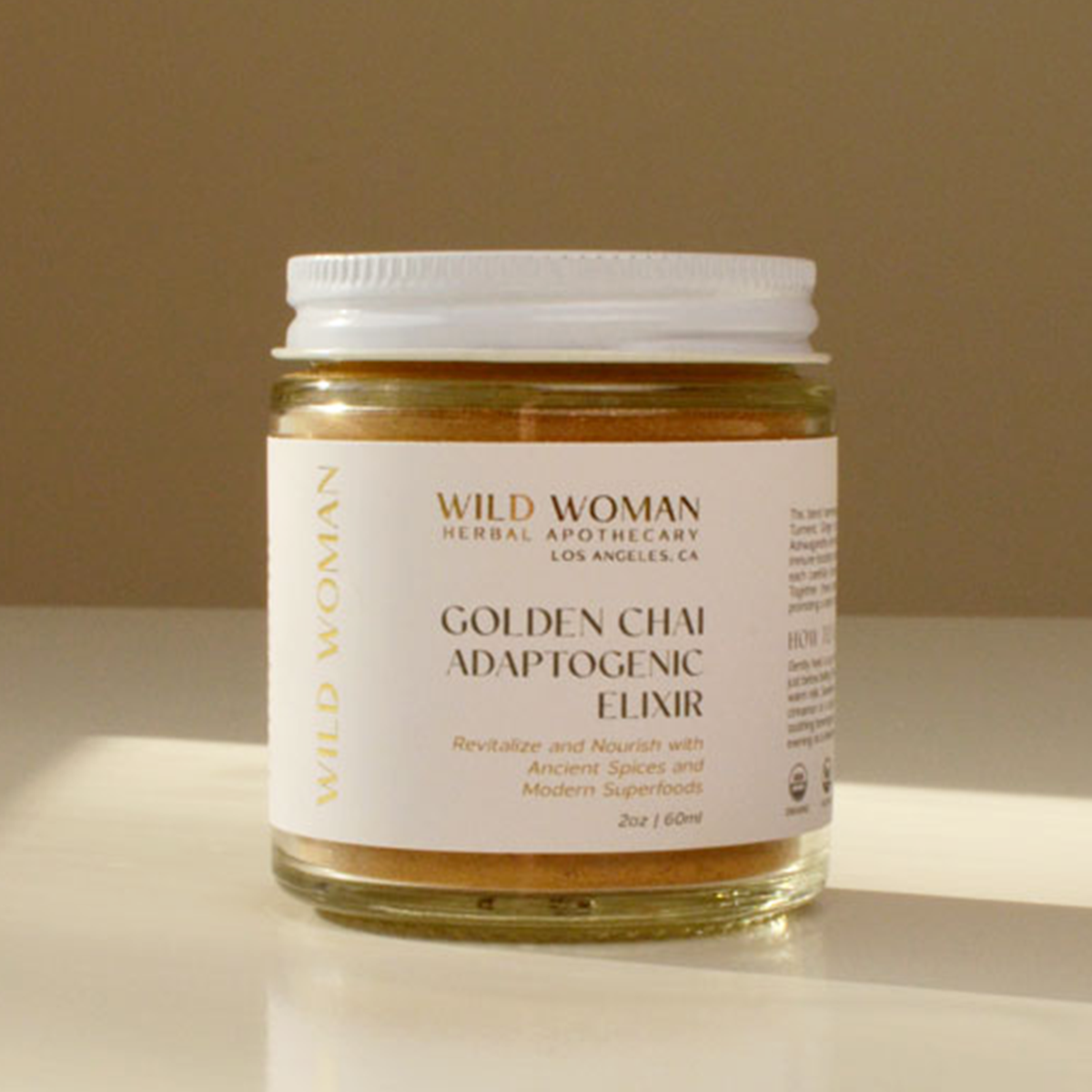
Golden Chai Adaptogenic Elixir

adaptogenic chai for daily vitality

Sale price$30.00

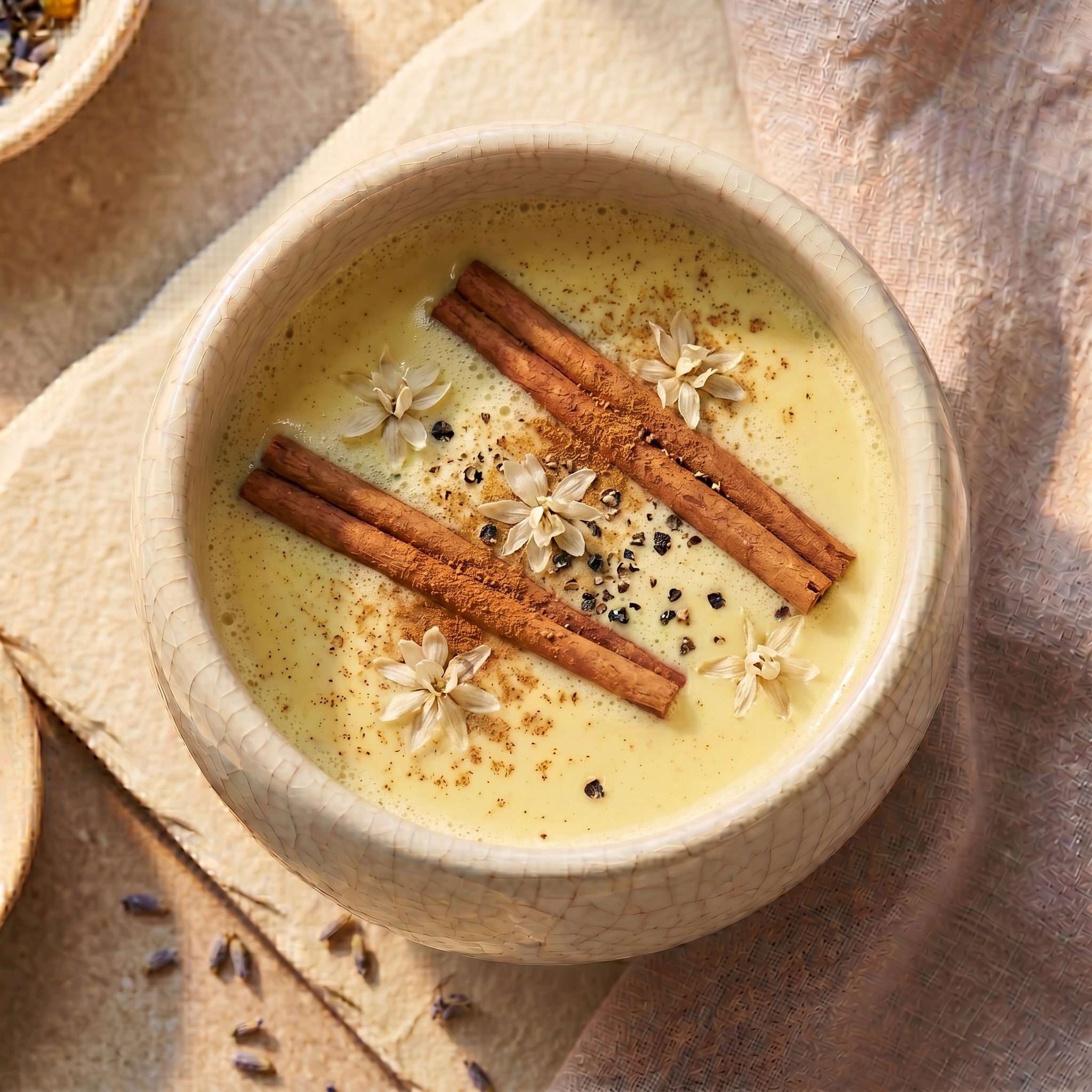
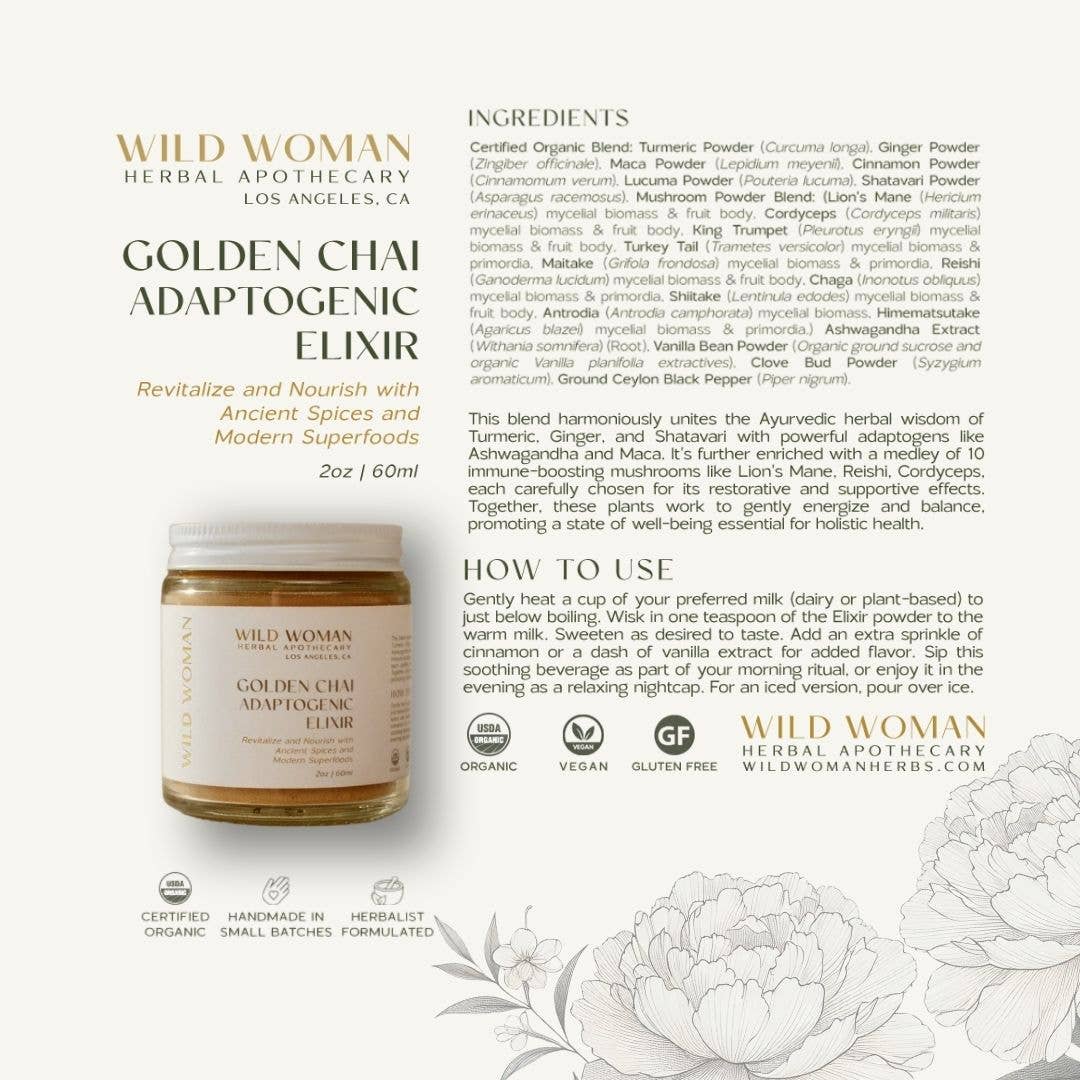
An adaptogenic golden chai latte rooted in Ayurvedic tradition, built from Shatavari (Asparagus racemosus), Ashwagandha (Withania somnifera), and ten functional mushrooms prepared the way women have always made their daily medicine: slow, spiced, and meant to be savored. There is a kind of depletion that coffee cannot reach, the quiet kind that builds over time and asks for something nourishing rather than something fast. Golden Chai is the cup for that.

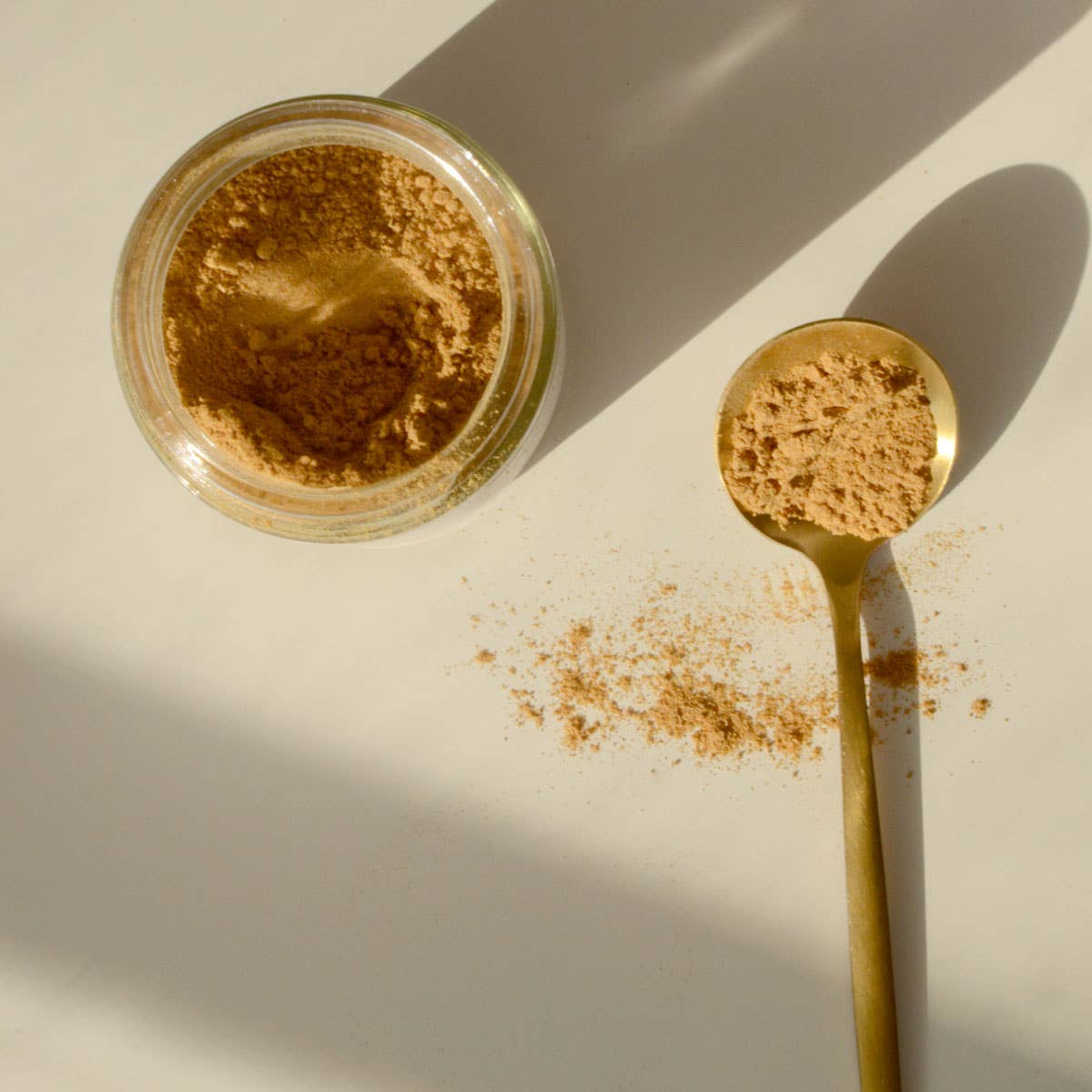
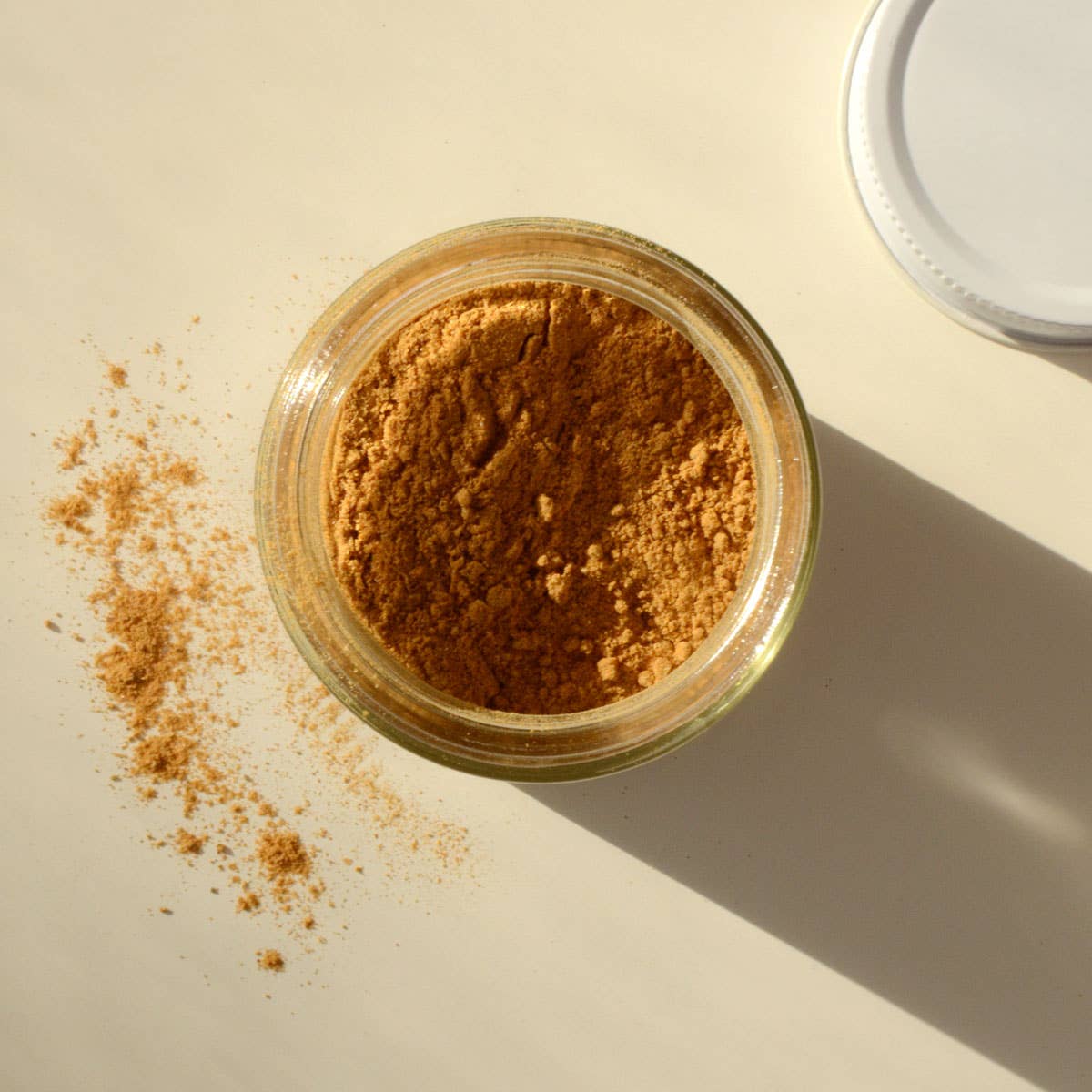
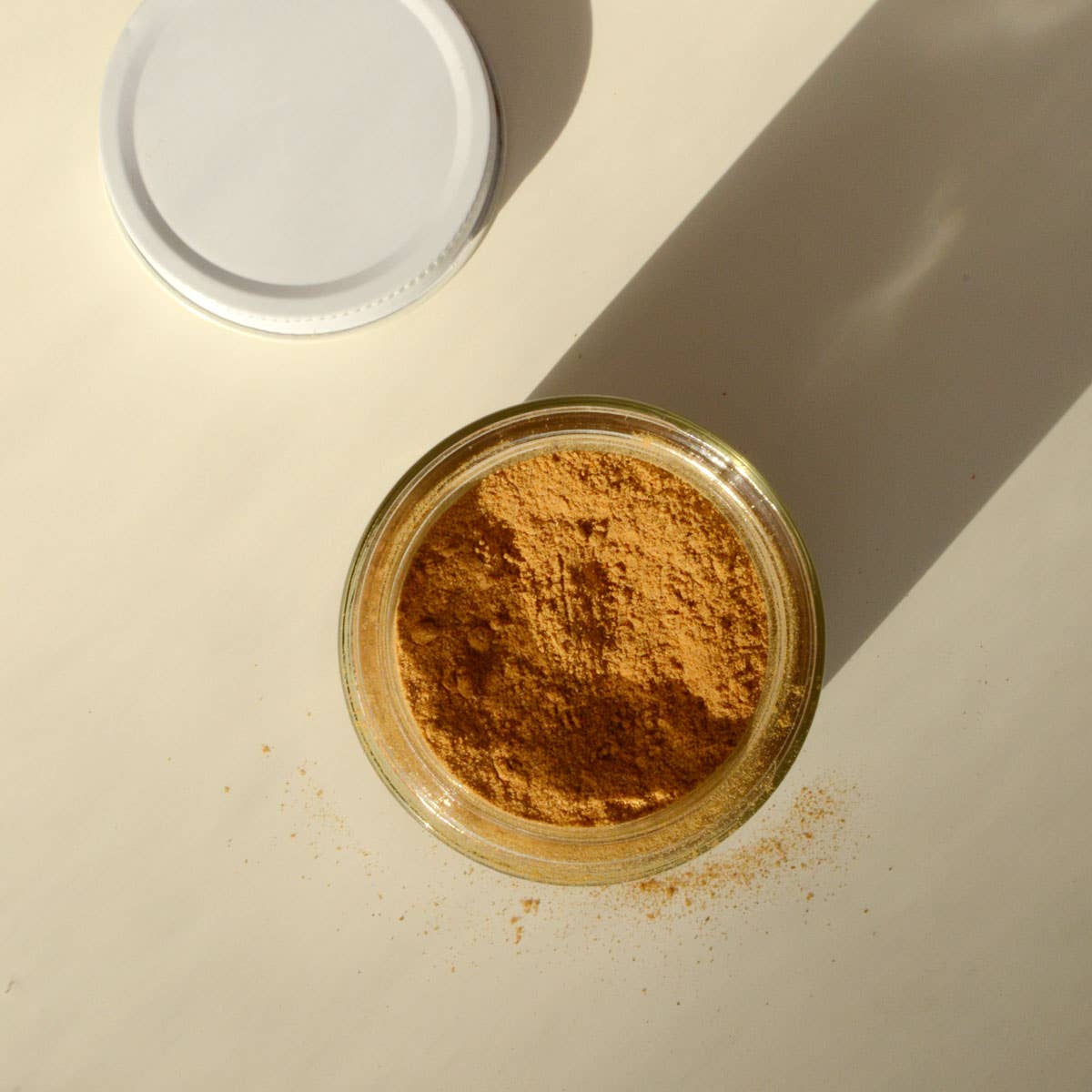
golden · warming · deeply spiced · earthy · faintly sweet

Golden Chai Adaptogenic Elixir
Golden Chai Adaptogenic Elixir Sale price$30.00

Golden Chai

PRODUCT DETAILS

The Plants

This formula was built around a question Jasmine came back to again and again: what does a woman's body need in order to feel steady, not just awake? Caffeine answers one version of that question. But a different version asks for something that goes deeper, that supports the body's own capacity to meet the day rather than borrowing from tomorrow. These plants were chosen because they work in that register.

Shatavari and Ashwagandha are the formula's foundation: two of Ayurveda's most revered adaptogens for the female body, plants that have been given to women across generations and life seasons to support resilience, nourishment, and whole-body balance. Maca brings its Andean grounding, traditional in high-altitude communities where the body needed sustained vitality rather than stimulation. Turmeric and Ginger hold the formula in its golden, warming tradition. The chai spices anchor it in something both familiar and ancient.

The mushroom blend does something none of the herbs alone can do: it adds the deep, patient resilience that functional fungi have supported in Asian herbal traditions for centuries. Ten varieties, each with its own character and lineage, working together as an intelligent whole.

No fillers. No synthetics. Just plants that women have always known.

Tasting Notes

Tasting Notes

warming · golden-spiced · earthy · faintly sweet

Pairs With

Pairs With

morning stillness · forest walk · intentional breath

Season of Life

Season of Life

every season of womanhood

Energetics

Energetics

grounding · warming from within
Tasting Notes

Tasting Notes

warming · golden-spiced · earthy · faintly sweet

Pairs With

Pairs With

morning stillness · forest walk · intentional breath

Season of Life

Season of Life

every season of womanhood

Energetics

Energetics

grounding · warming from within
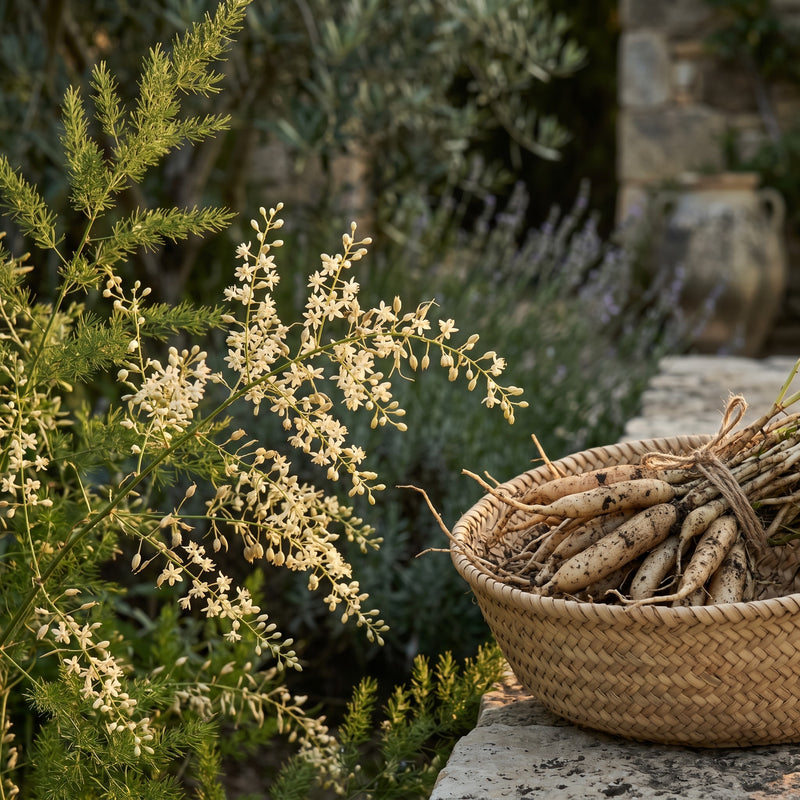
Shatavari

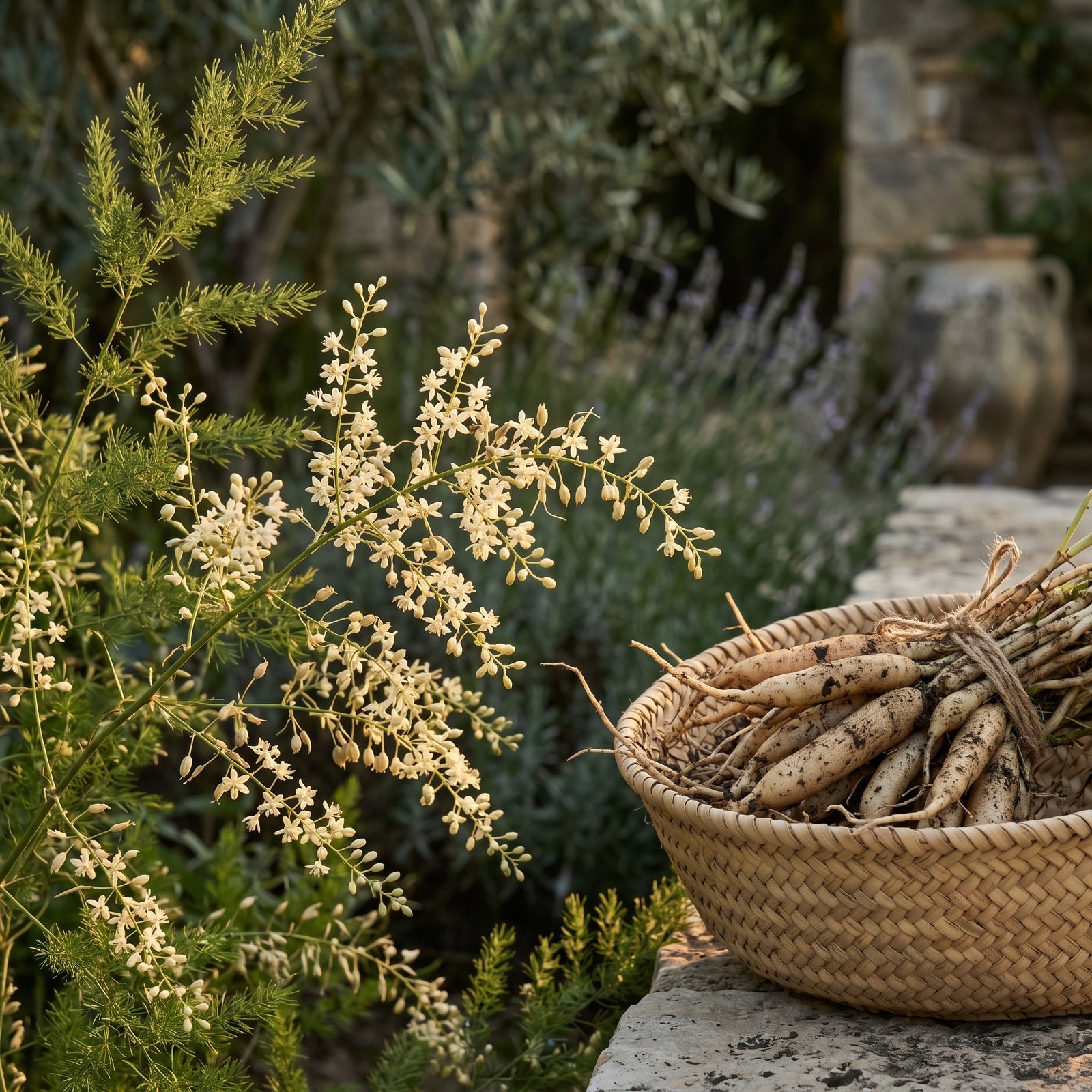
Shatavari grows in the subtropical forests and rocky hillsides of India, sending its roots deep into the earth to store moisture through even the most arid seasons. In Sanskrit, her name is often translated as "the woman who has a hundred husbands," which speaks less to romance than to abundance and vitality: this is a plant of deep nourishment for the female body across every phase of life. Ayurvedic practitioners have offered Shatavari to women from first blood through the years of motherhood and into the transitions of midlife, not as a solution to a particular symptom but as a whole-body replenishment. When I work with women who feel depleted at the root level, not just tired but genuinely poured out, Shatavari is often the first plant I reach for.

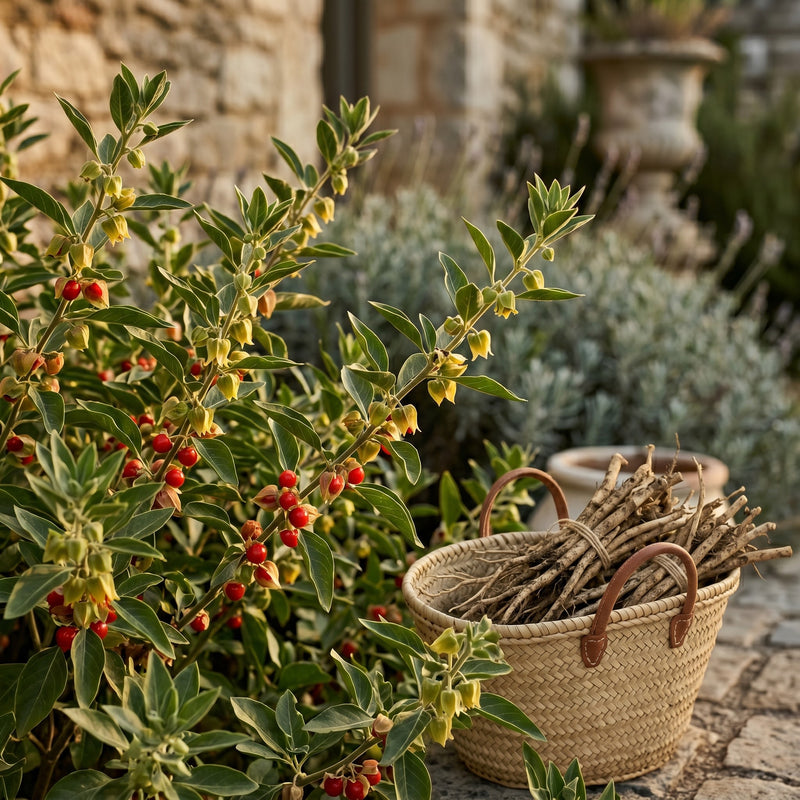
Ashwagandha

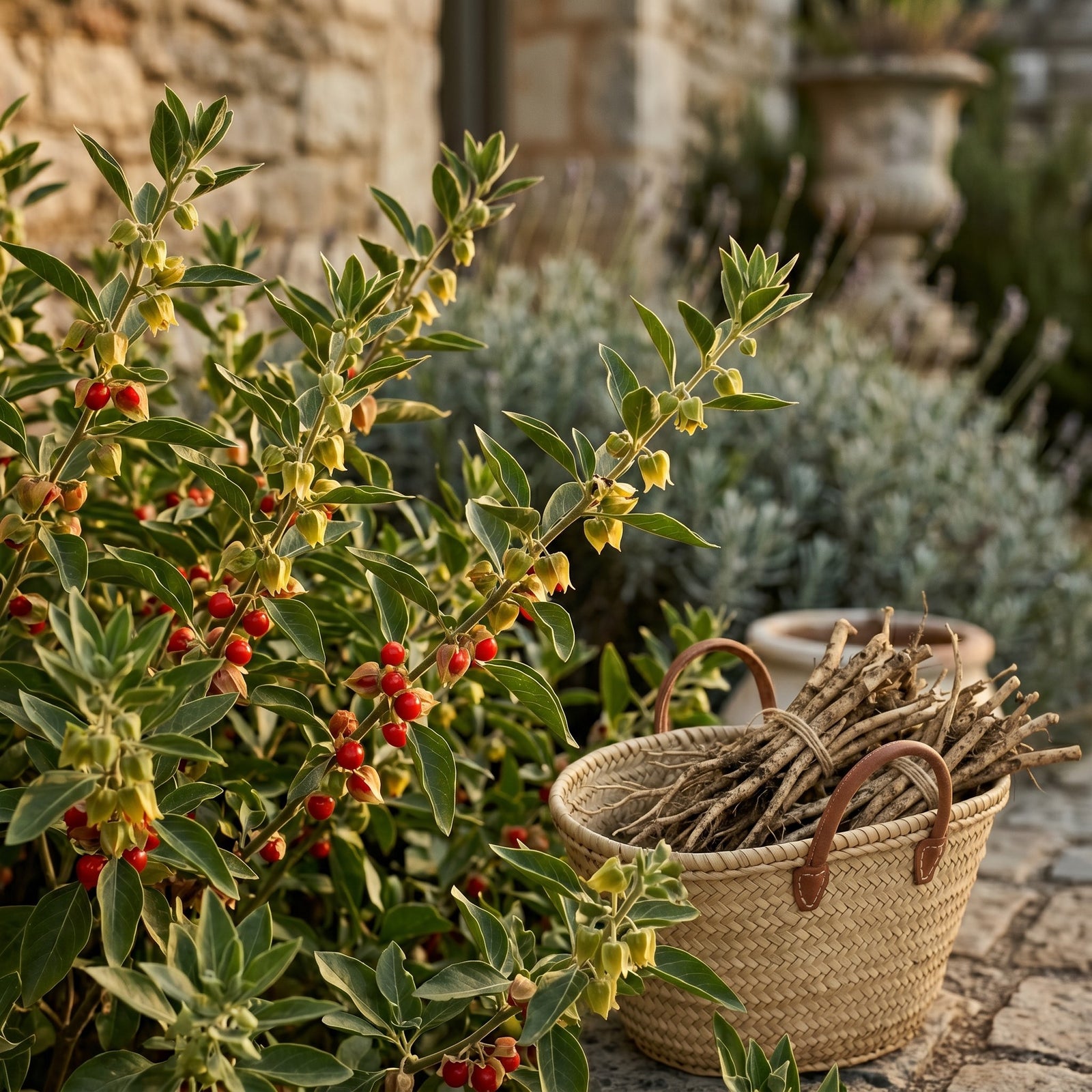
Ashwagandha is an evergreen shrub native to the dry regions of India and North Africa, growing in thin soils under full sun with a quiet resilience that mirrors the quality it offers the body. In Sanskrit, its name means "smell of horse," a reference both to its earthy root scent and to the strength and vitality it was traditionally believed to give. It has been central to Ayurvedic medicine for thousands of years as a rasayana, a rejuvenating tonic offered to those who needed to restore their reserves after prolonged physical or emotional demand. I think of it as a plant that steadies rather than stimulates: it supports the body's own capacity to meet the day rather than borrowing from tomorrow.

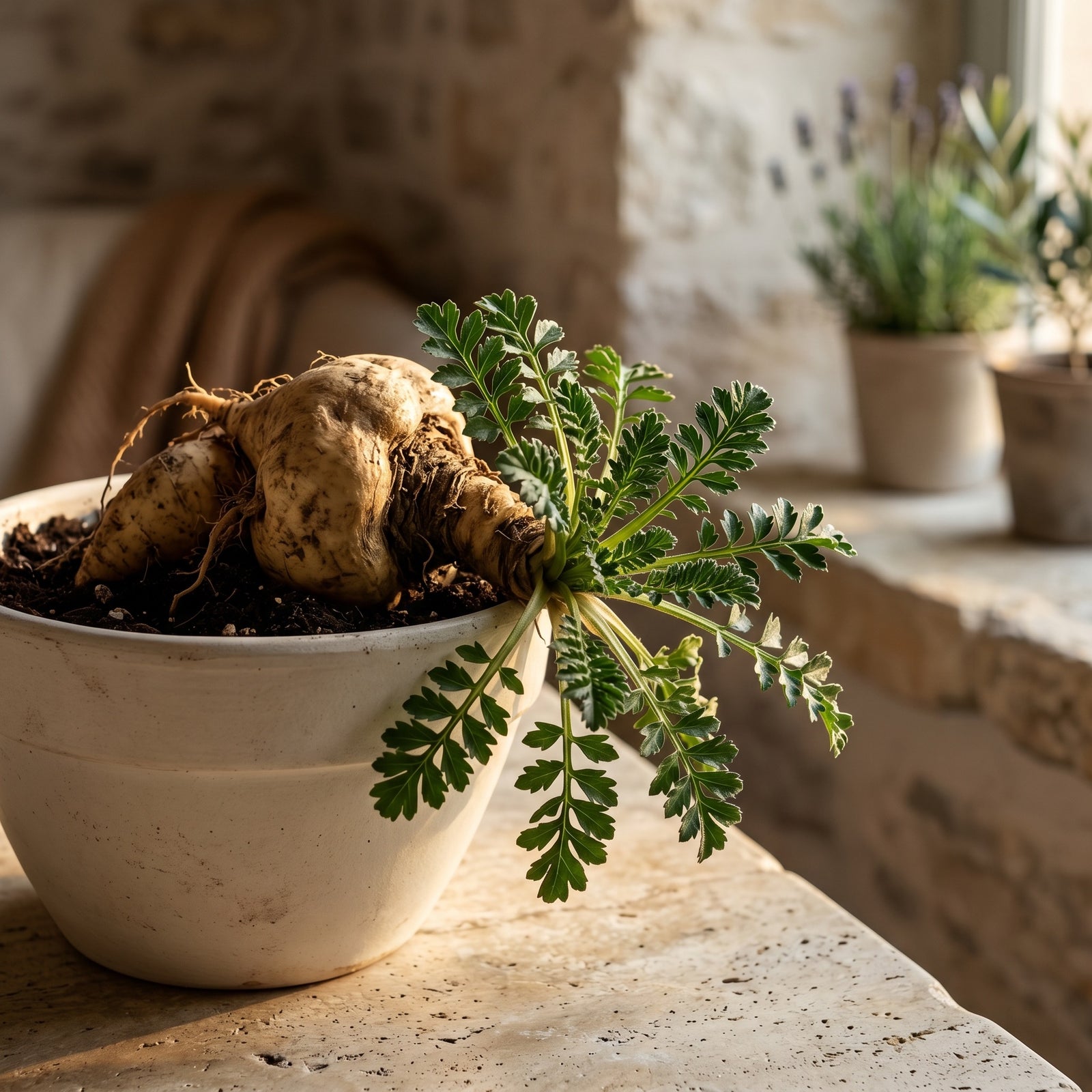
Maca

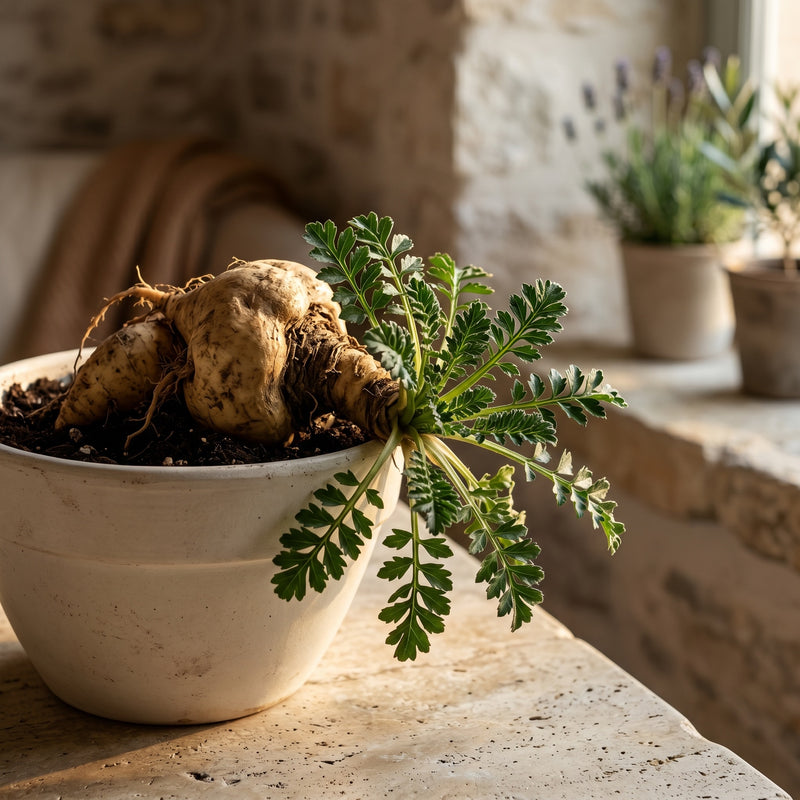
Maca grows on the high plateaus of the Andes at altitudes above 4,000 meters, in soil so thin and cold and wind-scoured that almost nothing else survives there. The indigenous Quechua people have cultivated it for thousands of years in these conditions, which tells you something about the quality the plant carries: this is not a plant of easy abundance but of deep, persistent vitality. Andean communities traditionally offered Maca to those who needed sustained energy for physical labor and long journeys, and to women navigating the transitions of their reproductive lives, understanding its nourishment as something that builds over time rather than arrives all at once. I find the flavor of Maca deeply comforting, earthy and faintly sweet, and I trust that quality in a plant: the ones that taste like something real usually are.

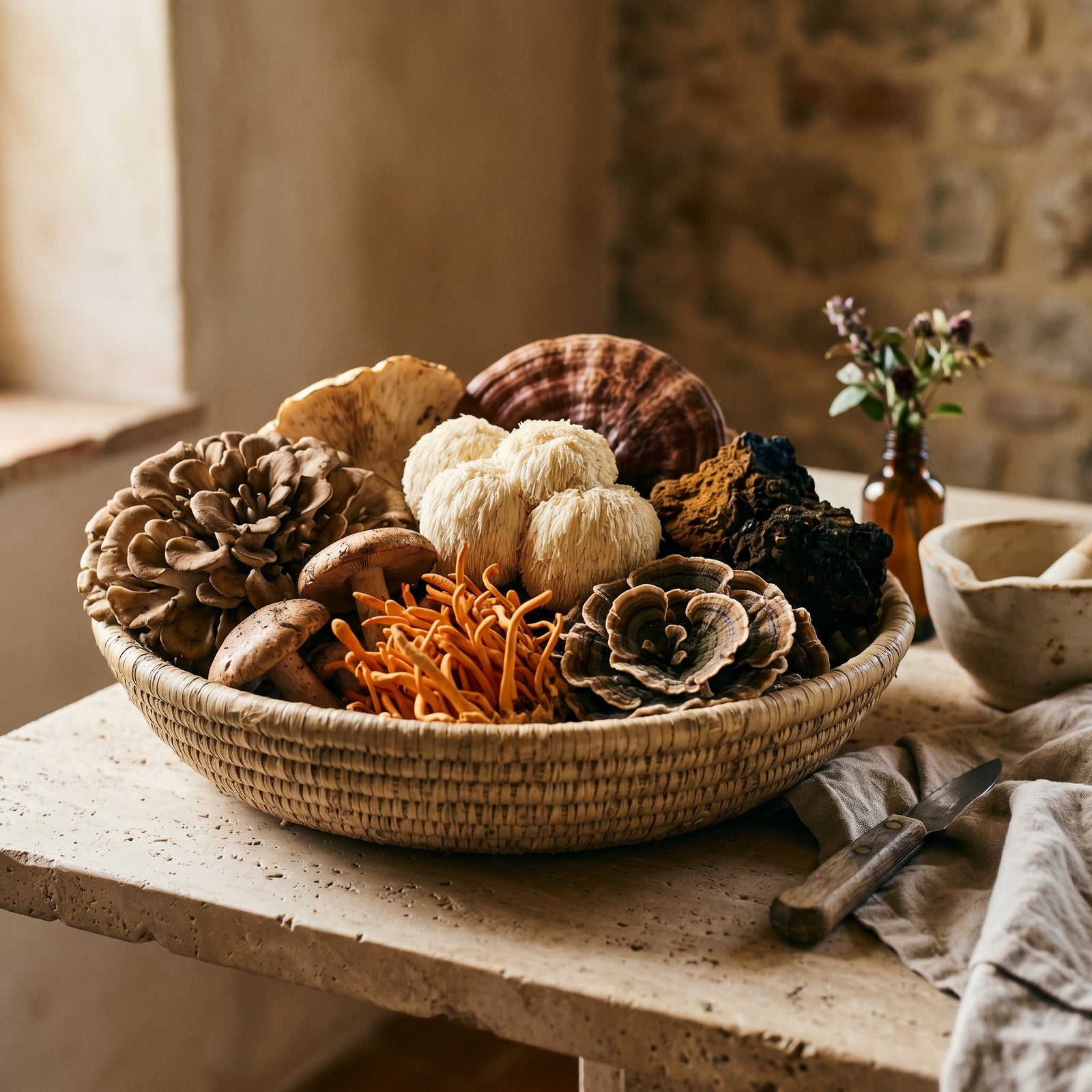
Functional & Adaptogenic Mushrooms

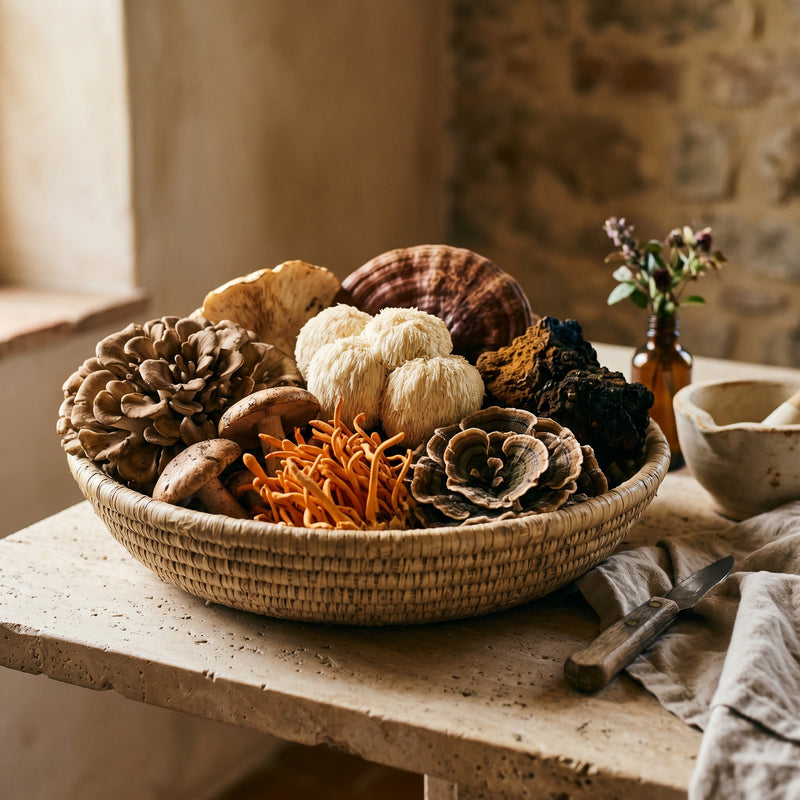
The ten mushrooms in this formula come from a tradition of medicinal fungi that spans China, Japan, Korea, and indigenous communities across the globe, where specific varieties have been gathered, prepared, and offered for vitality and resilience for centuries. Reishi (Ganoderma lucidum), known in Chinese medicine as the "mushroom of immortality," has been used as a whole-body tonic for those who need sustained presence rather than quick energy. Lion's Mane (Hericium erinaceus) grows in long, cascading white tendrils on fallen hardwoods, a striking form for a mushroom long associated with steady clarity and focus in Asian herbal traditions. What draws me to working with a full mushroom blend rather than isolating a single species is the intelligence of the whole: these ten varieties bring different qualities and different lineages, and together they do something that none of them could accomplish alone.

Shatavari

Shatavari grows in the subtropical forests and rocky hillsides of India, sending its roots deep into the earth to store moisture through even the most arid seasons. In Sanskrit, her name is often translated as "the woman who has a hundred husbands," which speaks less to romance than to abundance and vitality: this is a plant of deep nourishment for the female body across every phase of life. Ayurvedic practitioners have offered Shatavari to women from first blood through the years of motherhood and into the transitions of midlife, not as a solution to a particular symptom but as a whole-body replenishment. When I work with women who feel depleted at the root level, not just tired but genuinely poured out, Shatavari is often the first plant I reach for.

Ashwagandha

Ashwagandha is an evergreen shrub native to the dry regions of India and North Africa, growing in thin soils under full sun with a quiet resilience that mirrors the quality it offers the body. In Sanskrit, its name means "smell of horse," a reference both to its earthy root scent and to the strength and vitality it was traditionally believed to give. It has been central to Ayurvedic medicine for thousands of years as a rasayana, a rejuvenating tonic offered to those who needed to restore their reserves after prolonged physical or emotional demand. I think of it as a plant that steadies rather than stimulates: it supports the body's own capacity to meet the day rather than borrowing from tomorrow.

Maca

Maca grows on the high plateaus of the Andes at altitudes above 4,000 meters, in soil so thin and cold and wind-scoured that almost nothing else survives there. The indigenous Quechua people have cultivated it for thousands of years in these conditions, which tells you something about the quality the plant carries: this is not a plant of easy abundance but of deep, persistent vitality. Andean communities traditionally offered Maca to those who needed sustained energy for physical labor and long journeys, and to women navigating the transitions of their reproductive lives, understanding its nourishment as something that builds over time rather than arrives all at once. I find the flavor of Maca deeply comforting, earthy and faintly sweet, and I trust that quality in a plant: the ones that taste like something real usually are.

Functional & Adaptogenic Mushrooms

The ten mushrooms in this formula come from a tradition of medicinal fungi that spans China, Japan, Korea, and indigenous communities across the globe, where specific varieties have been gathered, prepared, and offered for vitality and resilience for centuries. Reishi (Ganoderma lucidum), known in Chinese medicine as the "mushroom of immortality," has been used as a whole-body tonic for those who need sustained presence rather than quick energy. Lion's Mane (Hericium erinaceus) grows in long, cascading white tendrils on fallen hardwoods, a striking form for a mushroom long associated with steady clarity and focus in Asian herbal traditions. What draws me to working with a full mushroom blend rather than isolating a single species is the intelligence of the whole: these ten varieties bring different qualities and different lineages, and together they do something that none of them could accomplish alone.

The Ritual

Practices that support the plants

Honor yourself

Turn toward what is

Notice what you woke up with, and name it once without a story attached: tired, anxious, flat, quietly okay. This is the DBT practice called Turning the Mind, a deliberate act of accepting the present moment exactly as you find it, not because it is what you wanted but because resistance costs more than receiving does. The plants work with what is actually here, and so can you.

Return to the body

Arrive here first

Before anything moves, try the orienting response: slowly turn your head from side to side, the way a deer pauses at a treeline, and let your eyes land wherever they land without purpose. This is the Somatic Experiencing practice developed by Peter Levine, the body's own ancient way of signaling to the nervous system that you are here, you are not in danger, and you can settle. Do this once on each side before you rise and notice how differently the day begins when the body has been told it is allowed to arrive.

Remember the earth

The practice of ayni

In Quechua cosmology, ayni describes a sacred reciprocity between humans and the earth: before you take, you give; before you receive, you acknowledge what you are receiving from. A simple morning practice: step outside, place your hands near the ground or on a living surface, and offer the earth something before your day begins — a true moment of attention, water poured at the base of a plant, a word of thanks spoken aloud to whatever is growing near you. The plants in this formula came from this same understanding of relationship between a people and their land. Ayni is how you stay inside that lineage.

Jasmine's Note

My grandmother didn't call it herbalism. She just knew things — which plants to reach for, which roots to dry, what the earth offered when the body asked. She learned it from her father, who kept a garden in Biloxi and understood plants the way some people understand people. That knowledge passed to her, and quietly, to me.

I didn't fully understand what I'd inherited until my own body started asking questions that medicine couldn't answer. Hormonal chaos, long seasons of depression, the particular exhaustion of feeling disconnected from yourself. I remembered the whisperings. I turned back toward the plants. Everything in this apothecary came from that turning — things I made for myself first, and then for the women in my life who needed the same. I offer them to you the way my grandmother offered what she knew: as a hand extended, as something real.

-Jasmine

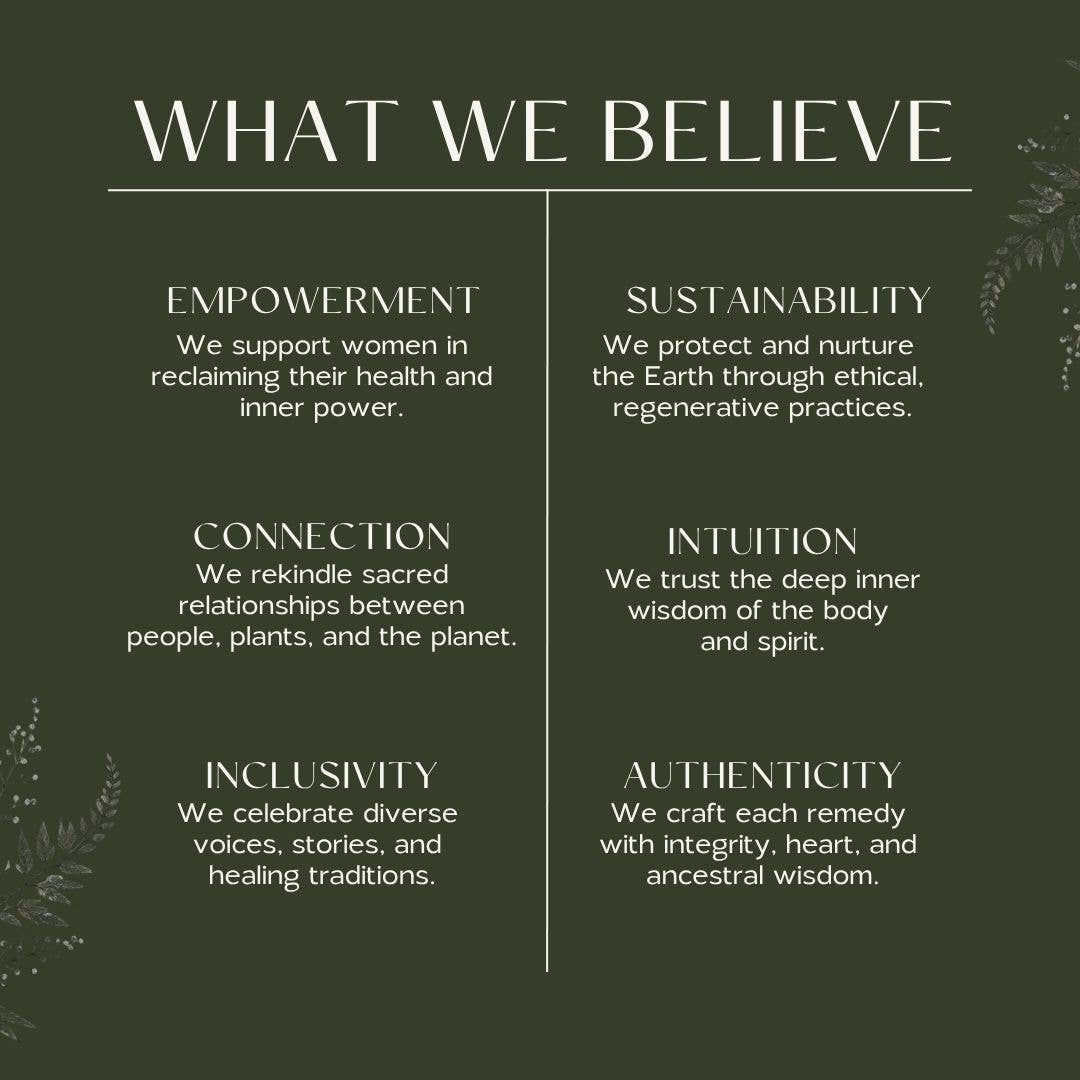
Rooted in Lineage. Made with Reverence.

Every formula in this apothecary is made in small batches in Los Angeles, using herbs that are organically grown or seasonally wildcrafted whenever possible. We work with plants at the peak of their potency — harvested in the right season, prepared slowly, and handled with the same reverence we hope you bring to using them.

This is medicine in the oldest sense of the word: plant wisdom, carefully tended, passed forward with care.

Frequently Asked Questions

A Note on Plant Medicine

Plants are powerful — and like any potent thing, they deserve to be used with care and knowledge. These formulas are crafted with intention, but they are not a substitute for medical guidance. Before beginning a new herbal practice, we encourage you to speak with your healthcare provider, especially if you are pregnant, nursing, trying to conceive, managing a health condition, or taking prescription medication. Wild Woman products are not intended to diagnose, treat, cure, or prevent any disease.