
Skip to content

Cart

Your cart is empty

Stress & Nervous System Support

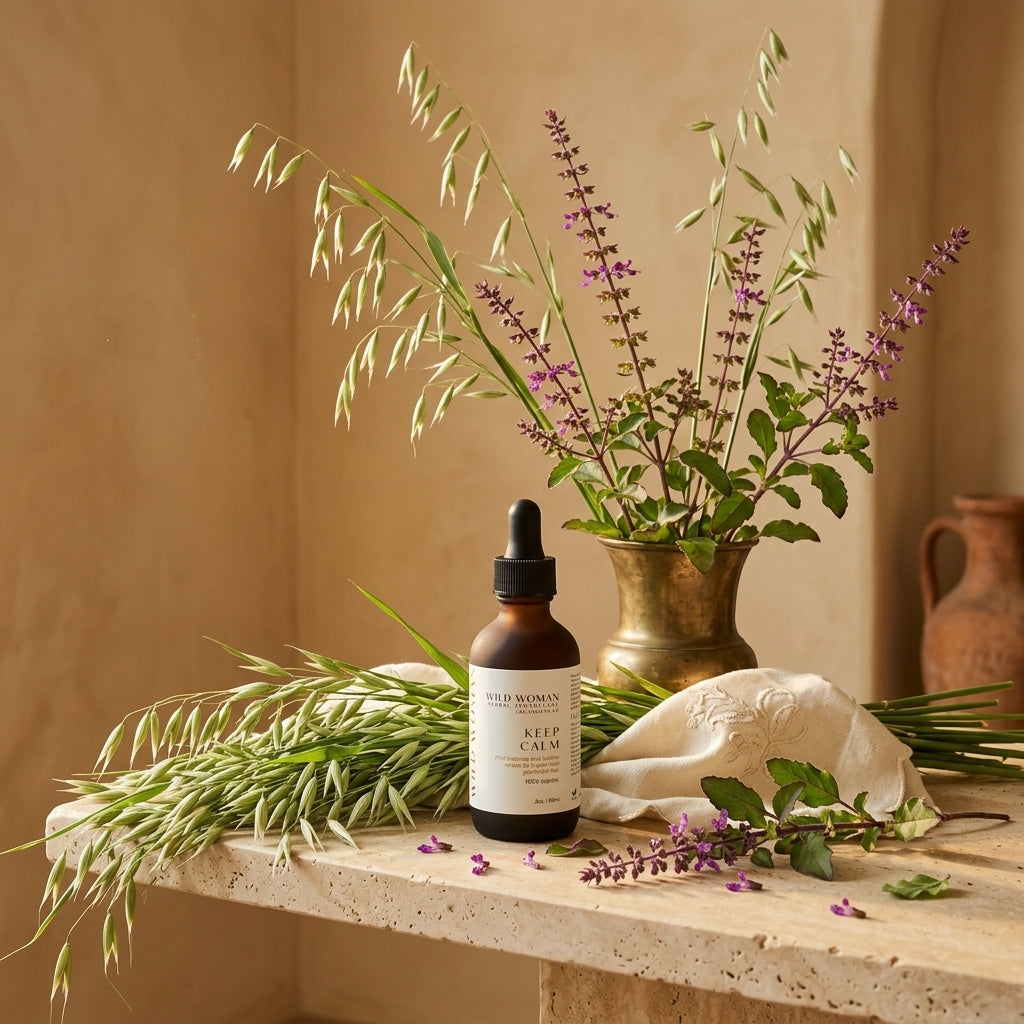
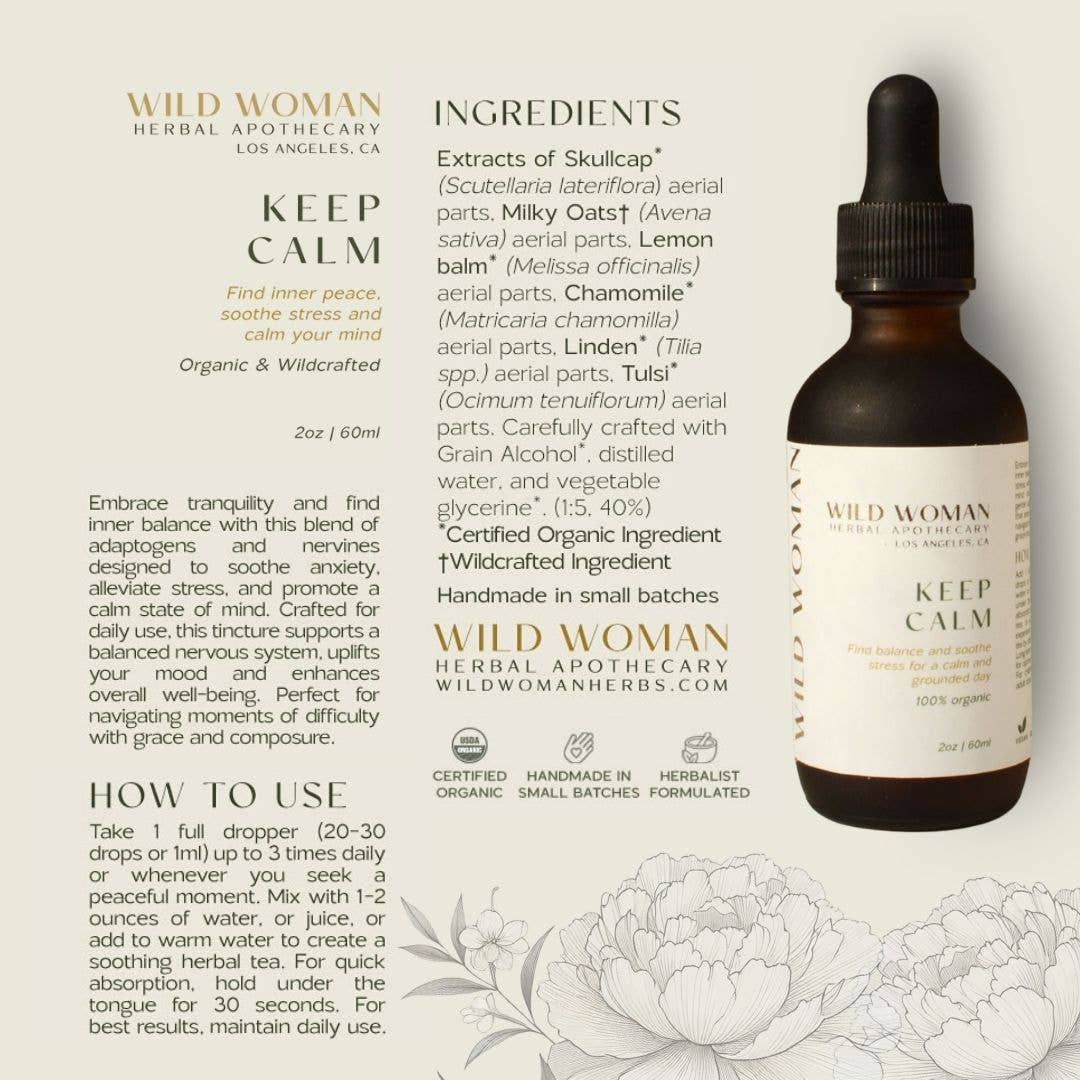
Keep Calm Tincture

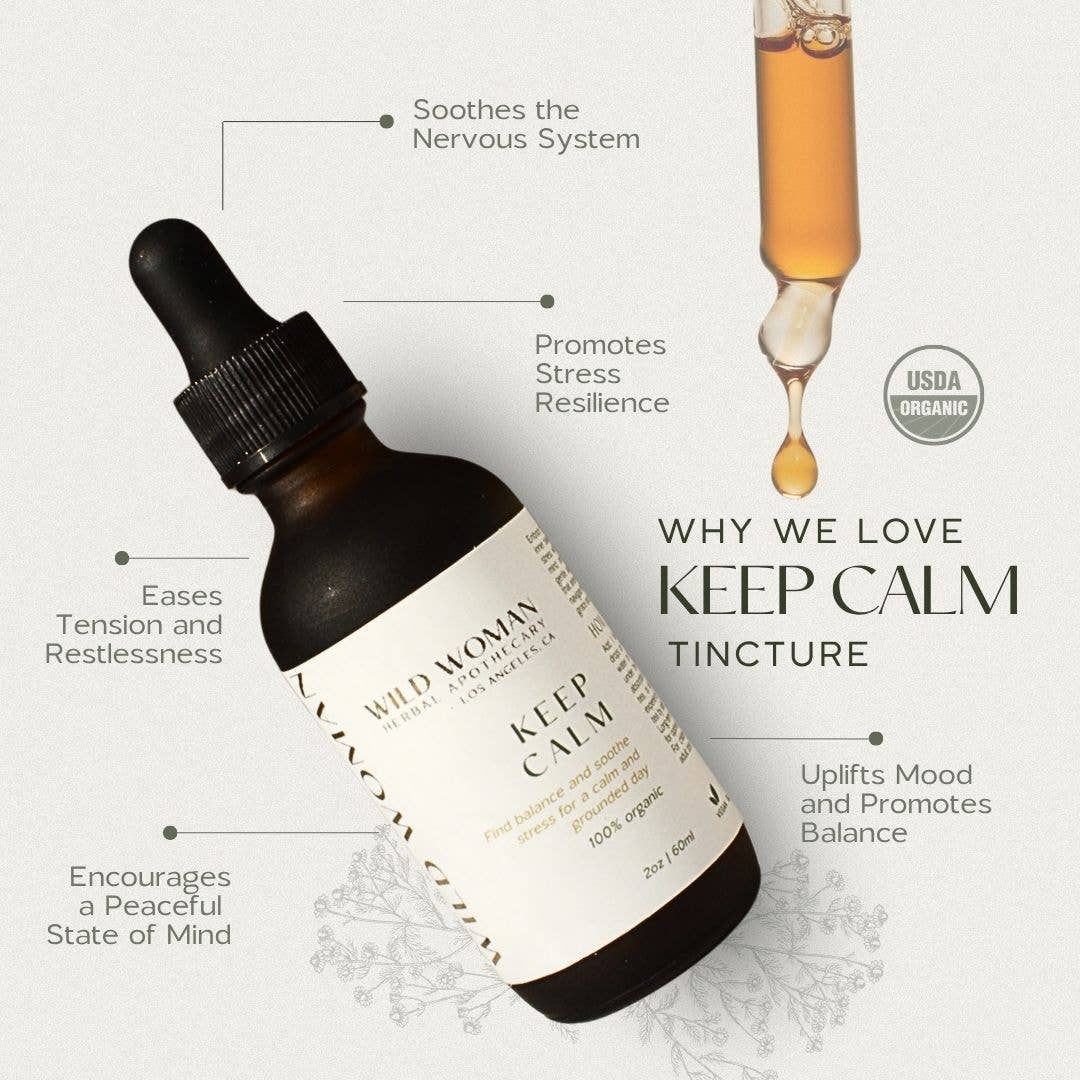
nervine tincture for daily stress support

Sale price$30.00

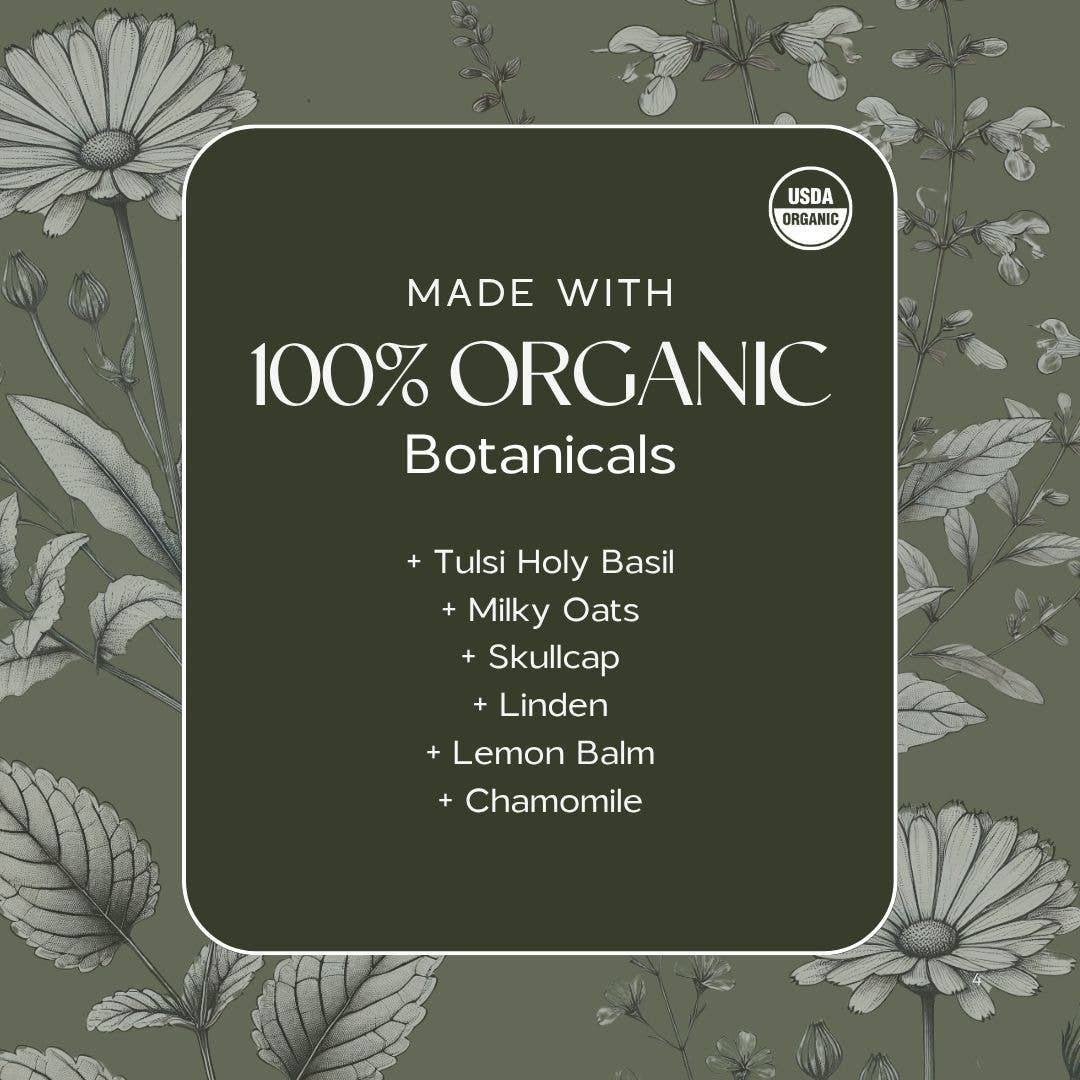
This is a nervine tincture for the woman whose nervous system has been stretched thin by a life that asks too much, too often. Skullcap, Milky Oats, Lemon Balm, Chamomile, Linden, and Tulsi: six plants from a long tradition of women knowing how to coax a frayed system back toward steady. Take it daily and let the quieting come slowly, the way it always has.

herbaceous · lemon-bright · faintly sweet · grounding

Keep Calm Tincture
Keep Calm Tincture Sale price$30.00

Keep Calm

PRODUCT DETAILS

The Plants

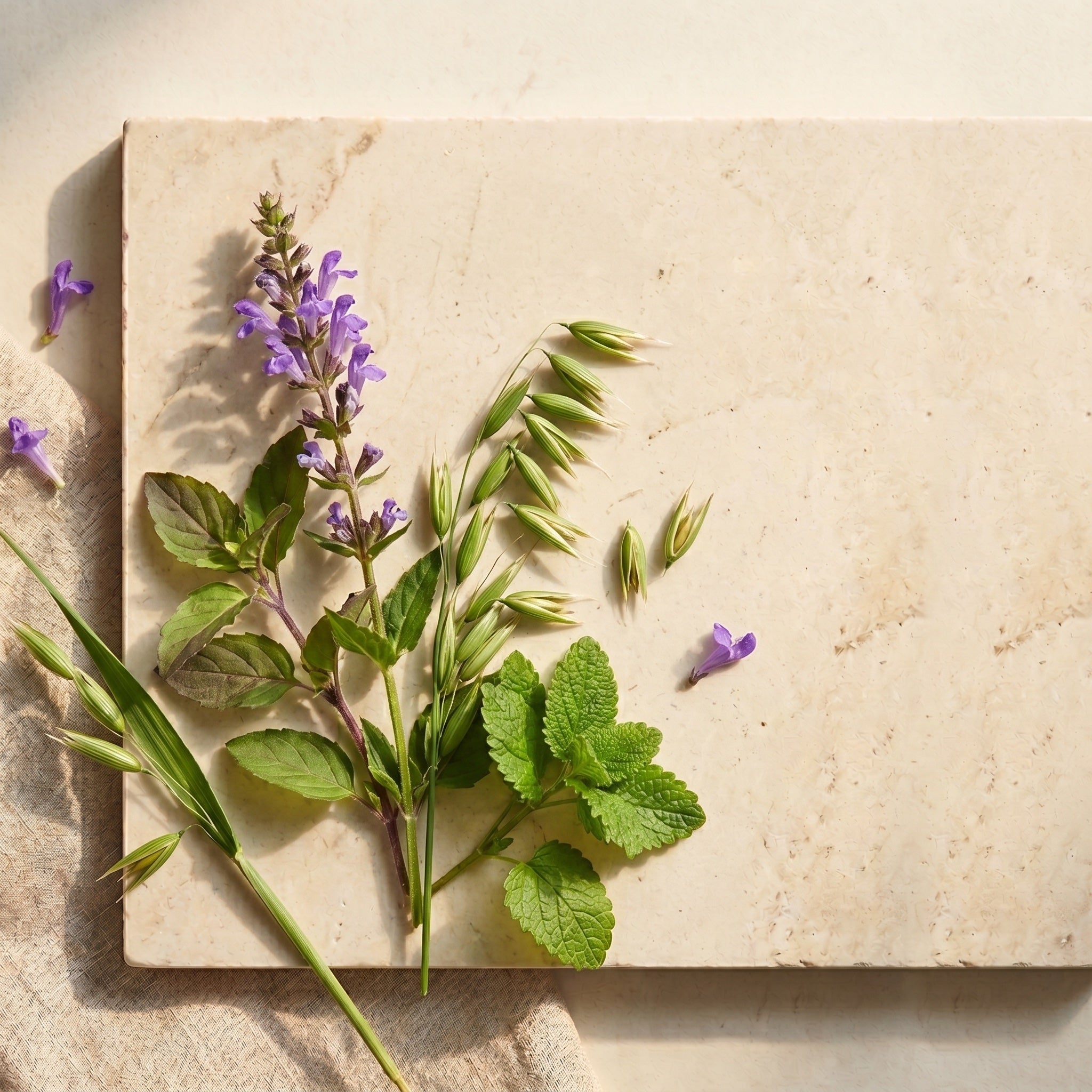
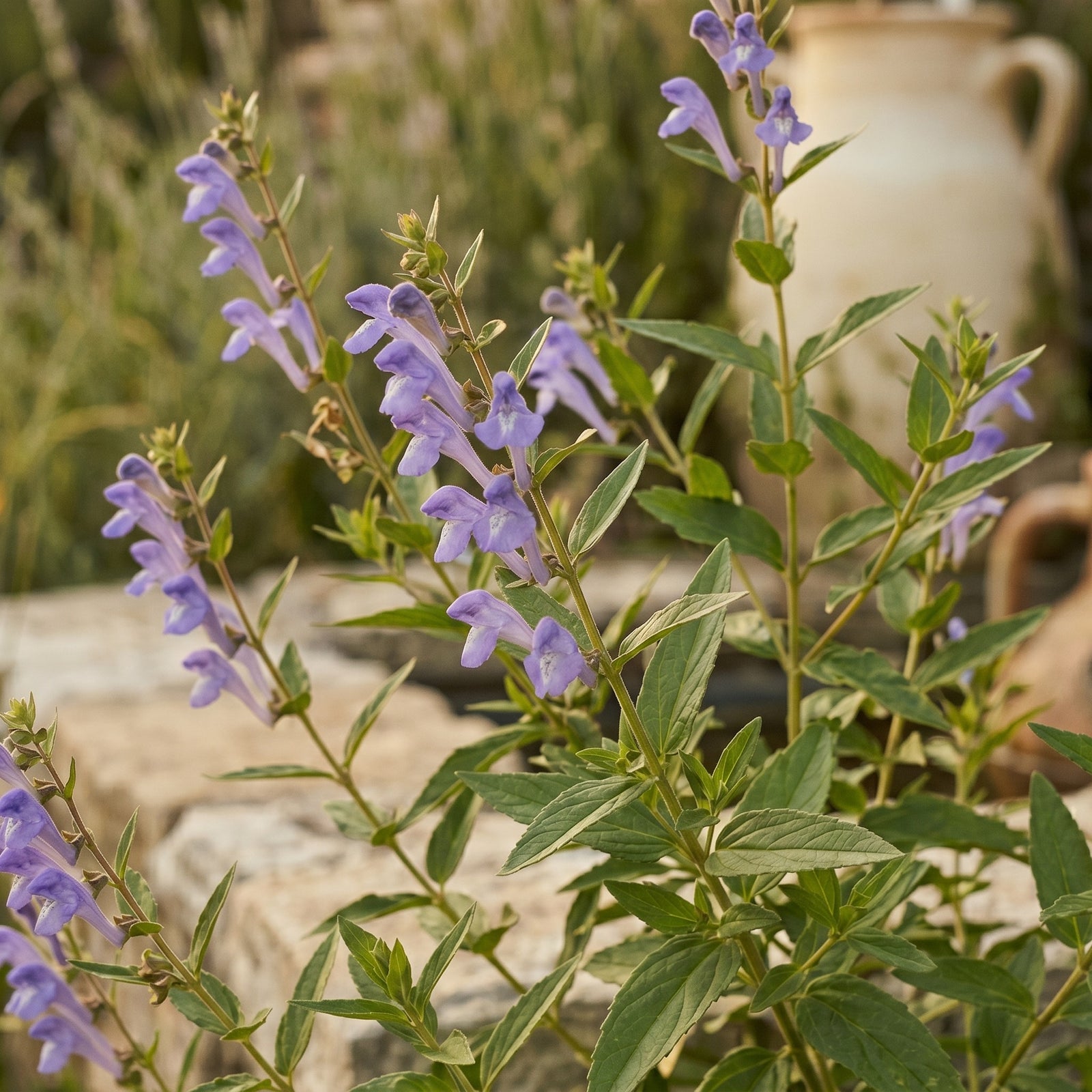
This formula was built around a single question: what does the nervous system need not to cope, but to remember itself? Skullcap and Milky Oats form the foundation, two nervine plants that herbalists have paired for generations when the nervous system has been depleted rather than simply tired. Skullcap steadies the quality of mental tension, the kind that circles and tightens; Milky Oats restores what the tension has consumed. Lemon Balm carries brightness into the formula, lifting without stimulating, settling without sedating. Chamomile and Linden bring warmth and softness, both plants with a deep affinity for the places where the body holds its stress: the belly, the chest, the jaw. Tulsi, the adaptogen in the blend, helps the body find its own footing under sustained demand. Together they do what none of them could do alone: hold the nervous system while it remembers how to hold itself.

Tasting Notes

Tasting Notes

herbaceous · lemon-bright · faintly sweet · warm finish

Ritual Moment

Ritual Moment

morning · midday reset · evening wind-down

Pairs With

Pairs With

breathwork • meditation • a warm bath

Energetics

Energetics

softening · deeply calming • grounding
Tasting Notes

Tasting Notes

herbaceous · lemon-bright · faintly sweet · warm finish

Ritual Moment

Ritual Moment

morning · midday reset · evening wind-down

Pairs With

Pairs With

breathwork • meditation • a warm bath

Energetics

Energetics

softening · deeply calming • grounding
Skullcap

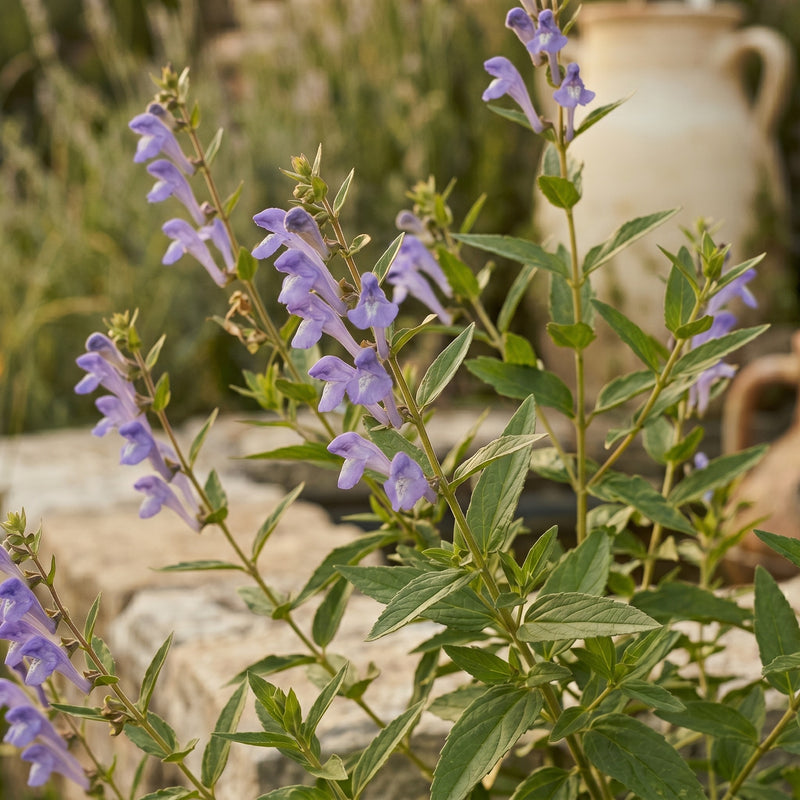
Skullcap grows in the shaded, damp places, along creek banks and forest edges in the eastern part of this country, in the kind of quiet that the plant itself seems to invite. It belongs to the nervine tradition: herbs that work not by sedating the nervous system but by nourishing it, steadying it at the level of the nerves themselves. I reach for Skullcap when the quality of stress is specifically mental: the circling thoughts, the tension that lives in the jaw and the back of the skull, the particular exhaustion of a mind that cannot stop even when the body is ready to rest. It does not knock you out. It simply brings you back into your body, where the quiet was waiting.

Milky Oats

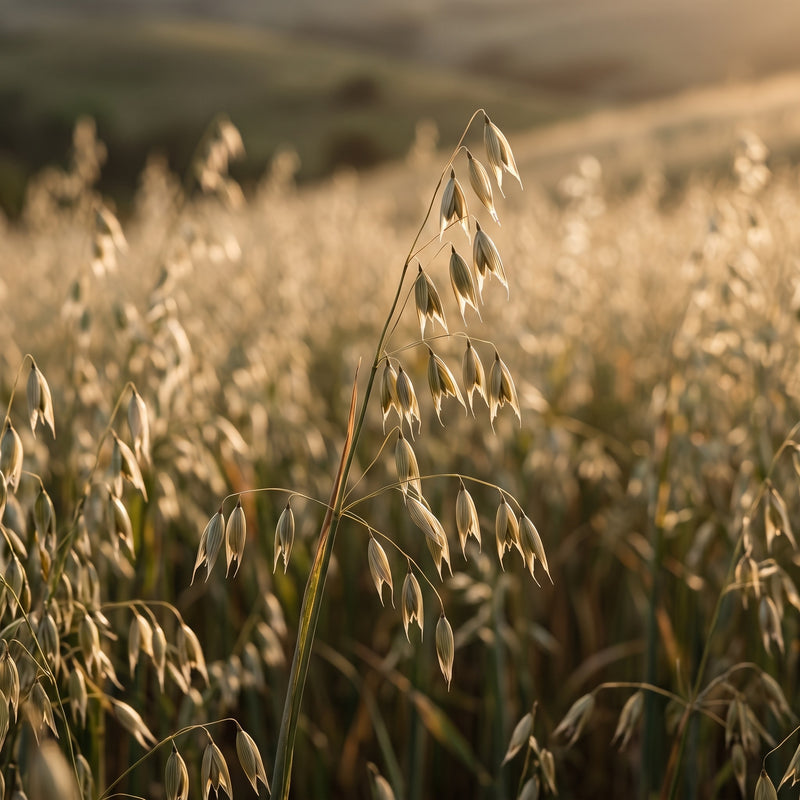
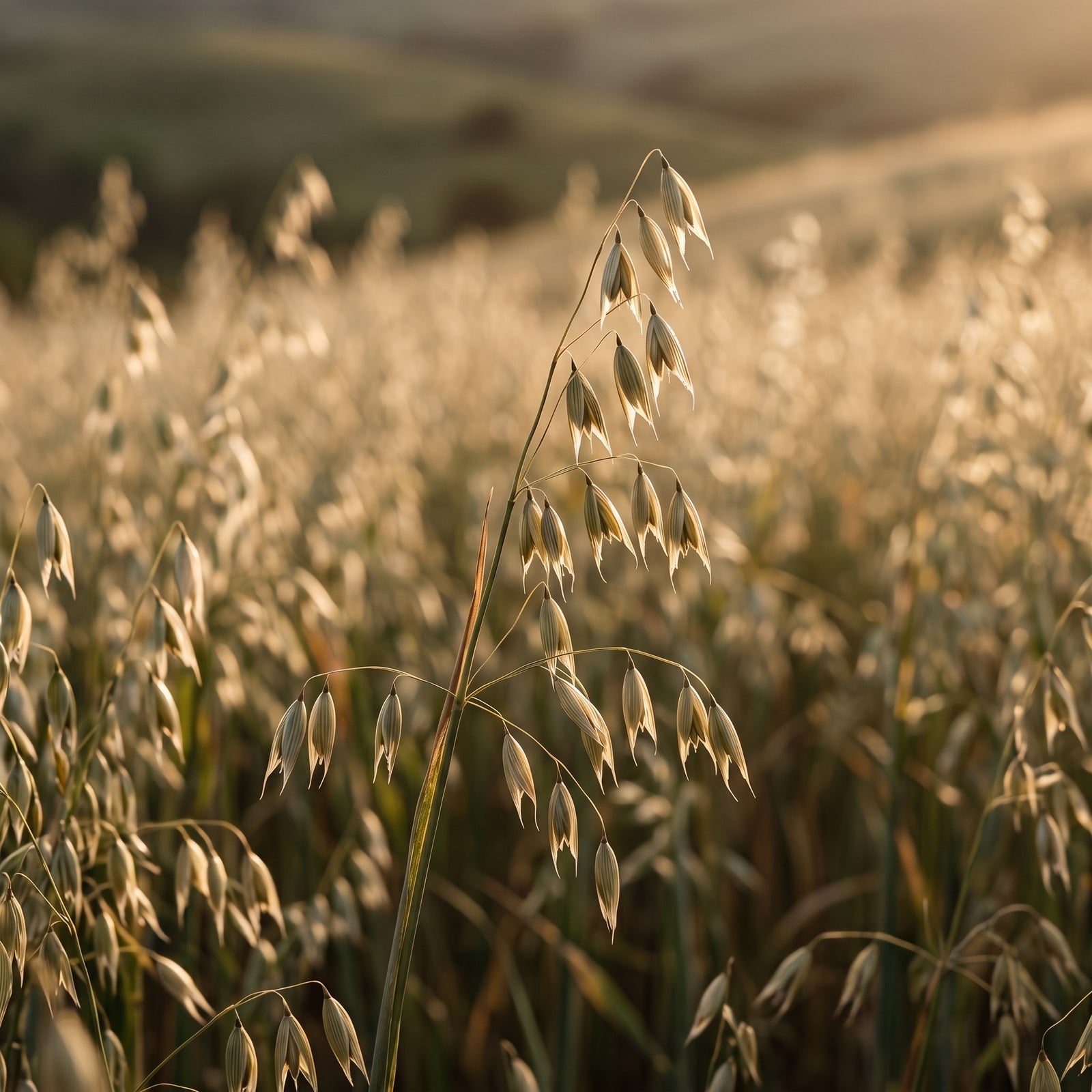
Milky Oats must be gathered at the right moment, when the grain is still young and tender and a milky sap runs from the stem when you press it. That window lasts only a few weeks each year. I wildcraft the Milky Oats in this formula myself, because I want to know they were gathered then — not before, not after. The plant in that brief state carries a quality of deep nourishment for the nervous system that the dried oat straw does not. Herbalists call this herb a trophorestorative: it does not simply calm the nerves, it feeds them. It belongs in any formula made for women who have been under sustained pressure for a long time, the kind of stress that doesn't announce itself but slowly depletes what was holding everything together.

Lemon Balm

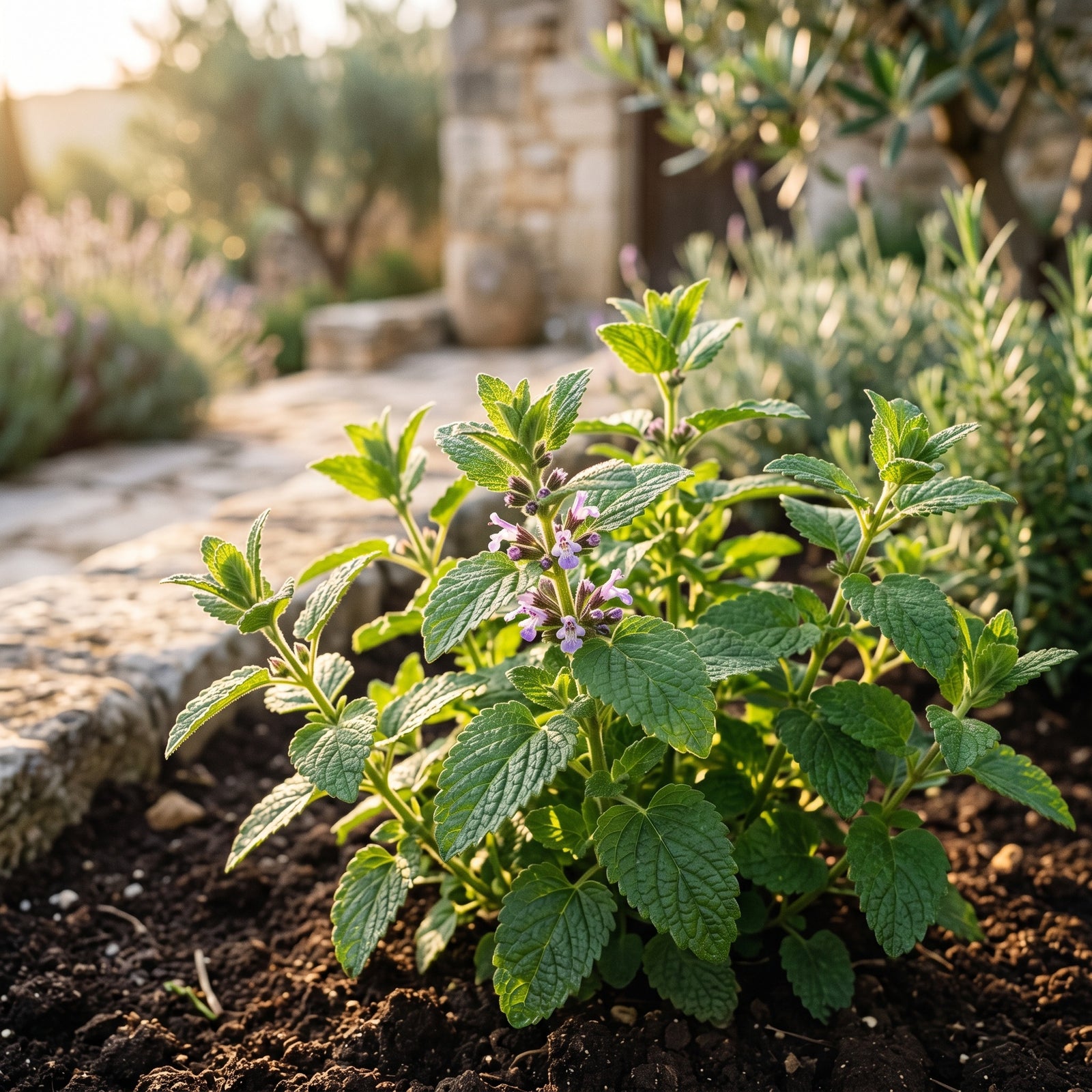
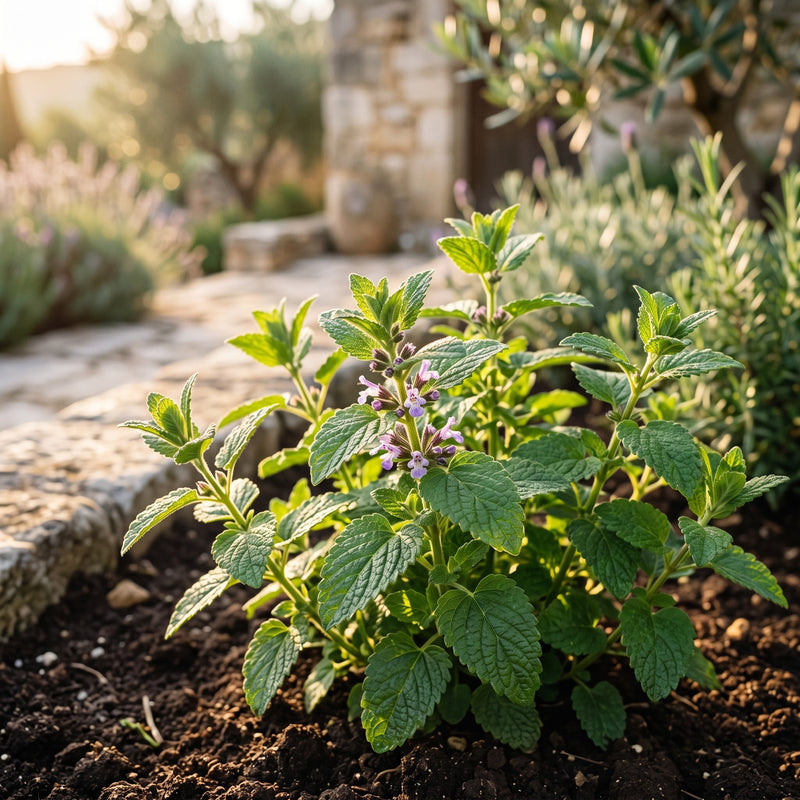
Lemon Balm is the sunniest plant I know. It grows willingly and abundantly, and something in its aromatic brightness transmits before you have even tasted it: you can stand near it in the garden and feel something ease. It has been used in European herbal traditions for centuries as a remedy for a heavy heart and a busy mind, and I find it works best in a formula where the other plants are doing the deeper structural work. Here, alongside Skullcap and Milky Oats, Lemon Balm (Melissa officinalis) acts as a brightener: it lifts the quality of the blend without stimulating it, bringing a gentle ease that makes the nourishment of the other plants easier to receive.

Tulsi

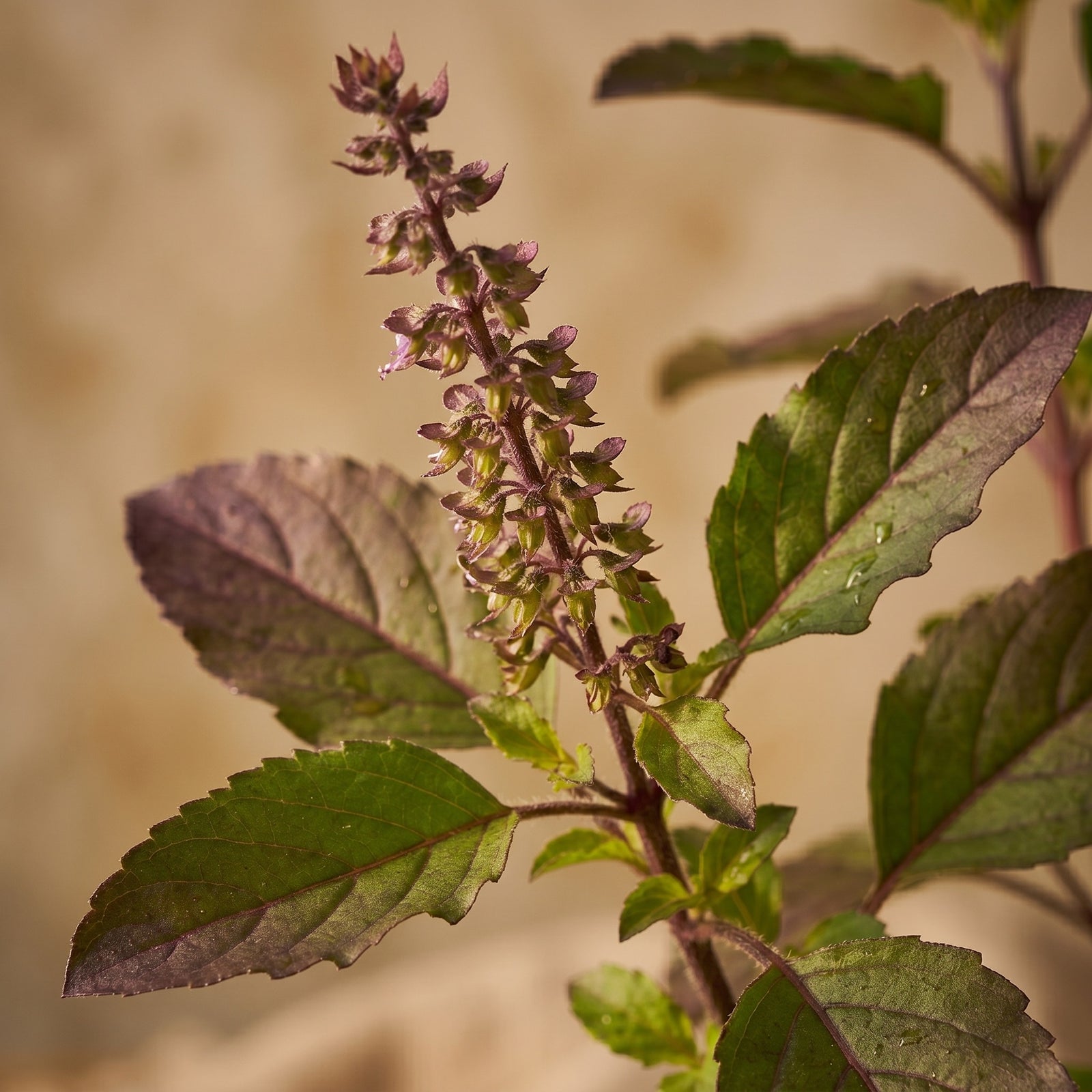
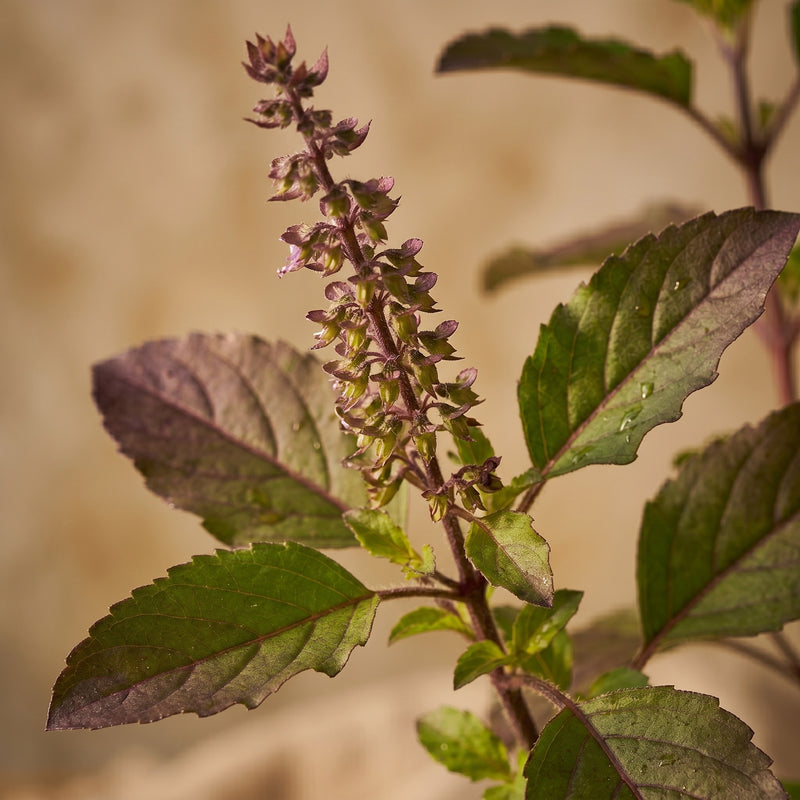
Tulsi, known as Holy Basil in South Asian traditions, has been considered a sacred plant across centuries of Ayurvedic practice, and when I work with it I understand why. It carries an unusual quality of simultaneous warmth and clarity, the kind that makes the demands of the day feel navigable rather than crushing. As an adaptogen, Tulsi (Ocimum tenuiflorum) supports the body's capacity to find its own footing under sustained stress over time, building a more even emotional steadiness rather than numbing or sedating. I brought it into this formula for the woman who needs not just to calm down, but to keep going: clear, grounded, and nourished enough to meet what is next.

Skullcap

Skullcap grows in the shaded, damp places, along creek banks and forest edges in the eastern part of this country, in the kind of quiet that the plant itself seems to invite. It belongs to the nervine tradition: herbs that work not by sedating the nervous system but by nourishing it, steadying it at the level of the nerves themselves. I reach for Skullcap when the quality of stress is specifically mental: the circling thoughts, the tension that lives in the jaw and the back of the skull, the particular exhaustion of a mind that cannot stop even when the body is ready to rest. It does not knock you out. It simply brings you back into your body, where the quiet was waiting.

Milky Oats

Milky Oats must be gathered at the right moment, when the grain is still young and tender and a milky sap runs from the stem when you press it. That window lasts only a few weeks each year. I wildcraft the Milky Oats in this formula myself, because I want to know they were gathered then — not before, not after. The plant in that brief state carries a quality of deep nourishment for the nervous system that the dried oat straw does not. Herbalists call this herb a trophorestorative: it does not simply calm the nerves, it feeds them. It belongs in any formula made for women who have been under sustained pressure for a long time, the kind of stress that doesn't announce itself but slowly depletes what was holding everything together.

Lemon Balm

Lemon Balm is the sunniest plant I know. It grows willingly and abundantly, and something in its aromatic brightness transmits before you have even tasted it: you can stand near it in the garden and feel something ease. It has been used in European herbal traditions for centuries as a remedy for a heavy heart and a busy mind, and I find it works best in a formula where the other plants are doing the deeper structural work. Here, alongside Skullcap and Milky Oats, Lemon Balm (Melissa officinalis) acts as a brightener: it lifts the quality of the blend without stimulating it, bringing a gentle ease that makes the nourishment of the other plants easier to receive.

Tulsi

Tulsi, known as Holy Basil in South Asian traditions, has been considered a sacred plant across centuries of Ayurvedic practice, and when I work with it I understand why. It carries an unusual quality of simultaneous warmth and clarity, the kind that makes the demands of the day feel navigable rather than crushing. As an adaptogen, Tulsi (Ocimum tenuiflorum) supports the body's capacity to find its own footing under sustained stress over time, building a more even emotional steadiness rather than numbing or sedating. I brought it into this formula for the woman who needs not just to calm down, but to keep going: clear, grounded, and nourished enough to meet what is next.

The Ritual

Practices that support the plants

Honor yourself

Put it down

Put the phone in the other room. Not face-down on the table — in the other room. Close the door if you can, and give yourself five minutes of not being available to anything, not because you have earned it, but because the nervous system does not repair under surveillance.

Return to the body

Before the mind weighs in

Close your ears gently with your thumbs, close your eyes, and on the exhale, hum. This is Bhramari breath, one of the oldest practices for settling an overstimulated nervous system, and the vagal nerve responds to the vibration before the thinking mind has a chance to weigh in. Four or five rounds, until you feel the shift.

Remember the earth

The quietest frequency

Step outside, or open a window and close your eyes. Listen past the surface sounds until you find the quietest thing you can hear: a bird at a distance, air moving through leaves, the almost-silence underneath everything else. This practice comes from Apache tracking traditions, and the nervous system responds to the natural world's quietest frequency the way it responds to the Milky Oats in this formula: slowly, with nourishment that builds.

Jasmine's Note

My grandmother didn't call it herbalism. She just knew things — which plants to reach for, which roots to dry, what the earth offered when the body asked. She learned it from her father, who kept a garden in Biloxi and understood plants the way some people understand people. That knowledge passed to her, and quietly, to me.

I didn't fully understand what I'd inherited until my own body started asking questions that medicine couldn't answer. Hormonal chaos, long seasons of depression, the particular exhaustion of feeling disconnected from yourself. I remembered the whisperings. I turned back toward the plants. Everything in this apothecary came from that turning — things I made for myself first, and then for the women in my life who needed the same. I offer them to you the way my grandmother offered what she knew: as a hand extended, as something real.

-Jasmine

Rooted in Lineage. Made with Reverence.

Every formula in this apothecary is made in small batches in Los Angeles, using herbs that are organically grown or seasonally wildcrafted whenever possible. We work with plants at the peak of their potency — harvested in the right season, prepared slowly, and handled with the same reverence we hope you bring to using them.

This is medicine in the oldest sense of the word: plant wisdom, carefully tended, passed forward with care.

Frequently Asked Questions

A Note on Plant Medicine

Plants are powerful — and like any potent thing, they deserve to be used with care and knowledge. These formulas are crafted with intention, but they are not a substitute for medical guidance. Before beginning a new herbal practice, we encourage you to speak with your healthcare provider, especially if you are pregnant, nursing, trying to conceive, managing a health condition, or taking prescription medication. Wild Woman products are not intended to diagnose, treat, cure, or prevent any disease.