
Skip to content

Cart

Your cart is empty

BIRTH PREPARATION

Labor of Love Tea

supports the path to birth and recovery

Sale price$20.00

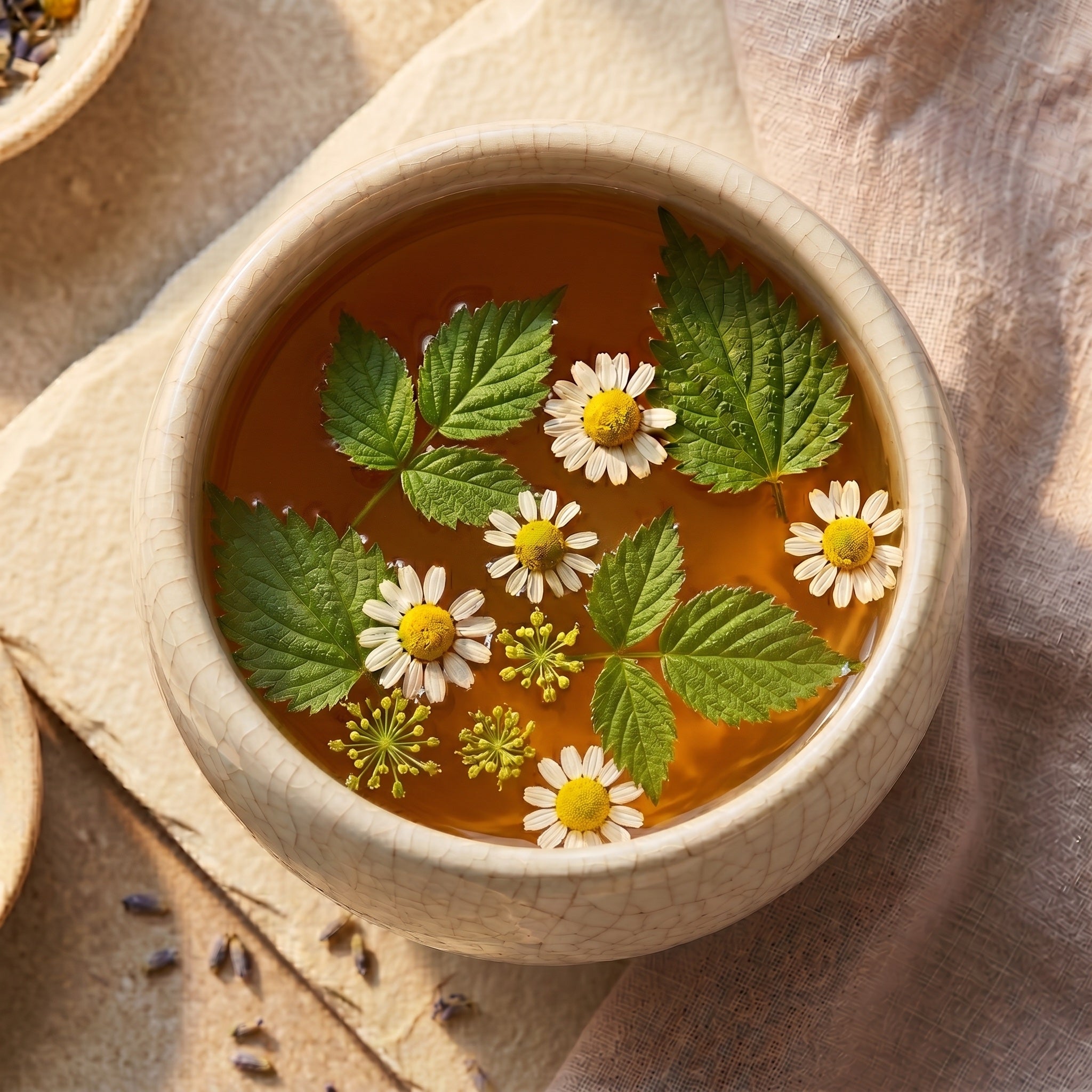
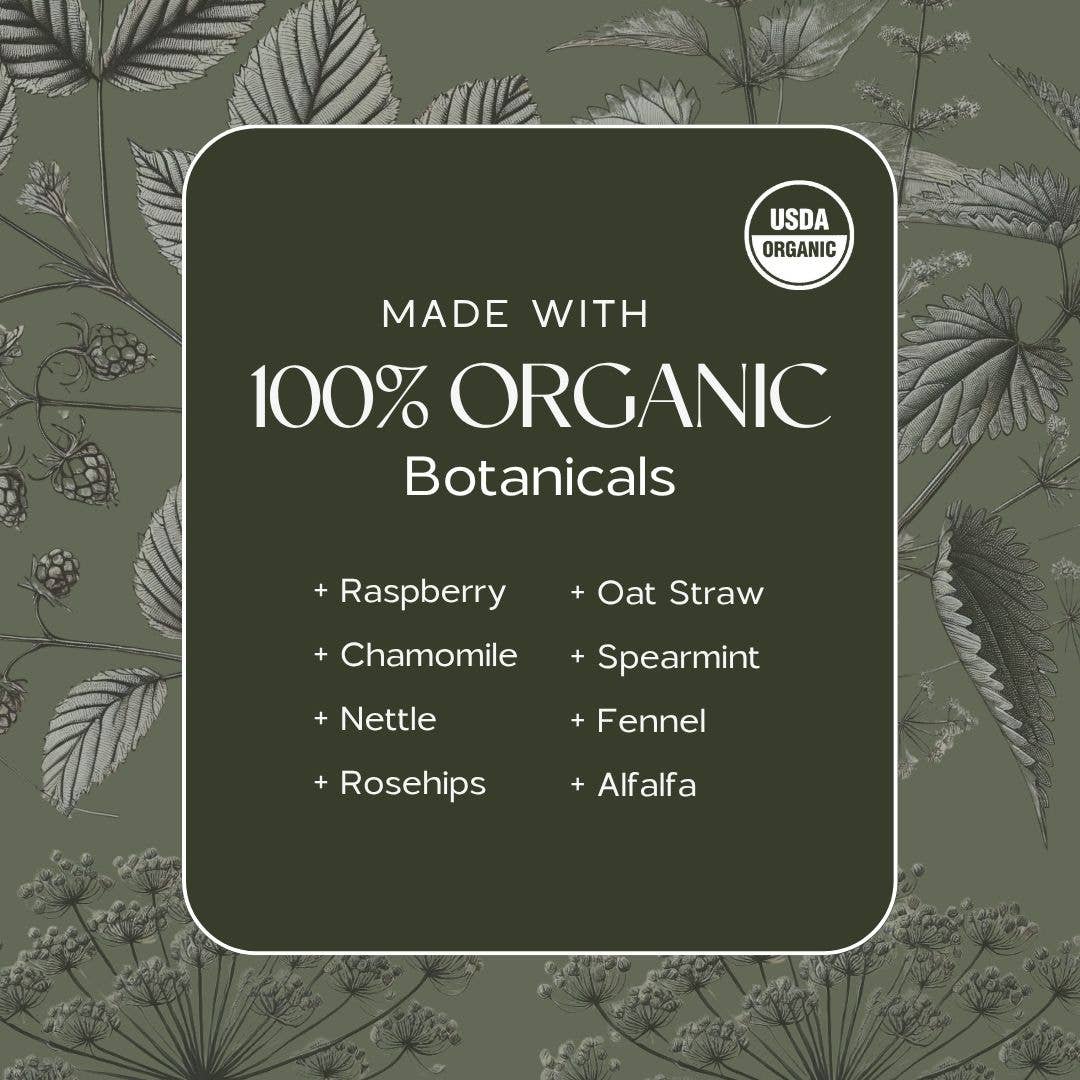
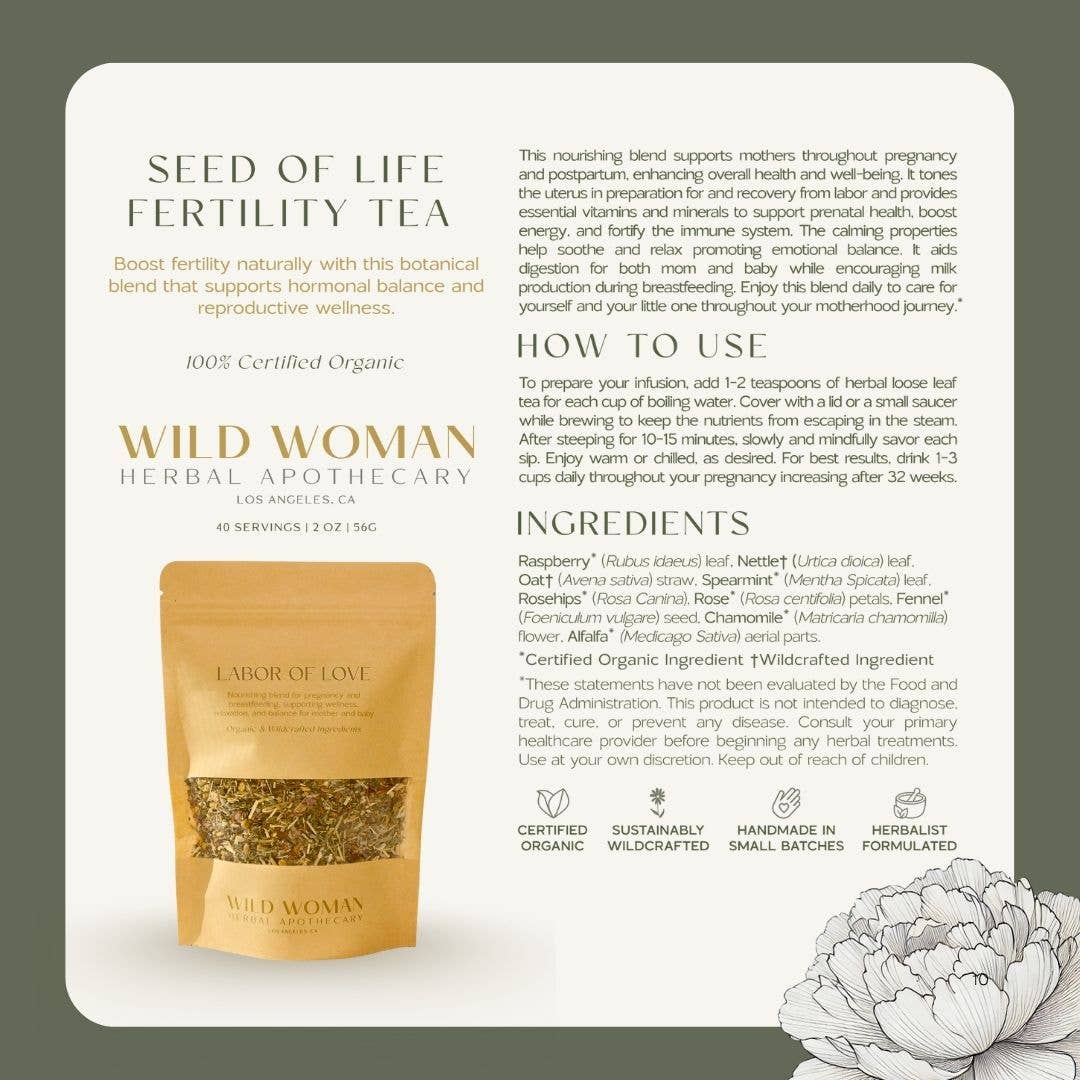
Somewhere in the third trimester, the body begins its own preparation. Red raspberry leaf tea has been the herb midwives reach for in the weeks before birth longer than any lineage can trace, and this is that tea made deeper: joined by nettle, oat straw, alfalfa, rosehips, spearmint, fennel, and chamomile. Mineral-rich. Rooted in the oldest traditions of women preparing women for birth.

earthy · faint spearmint · lightly tart · slow-warming

Labor of Love Tea
Labor of Love Tea Sale price$20.00

Labor of Love

PRODUCT DETAILS

The Plants

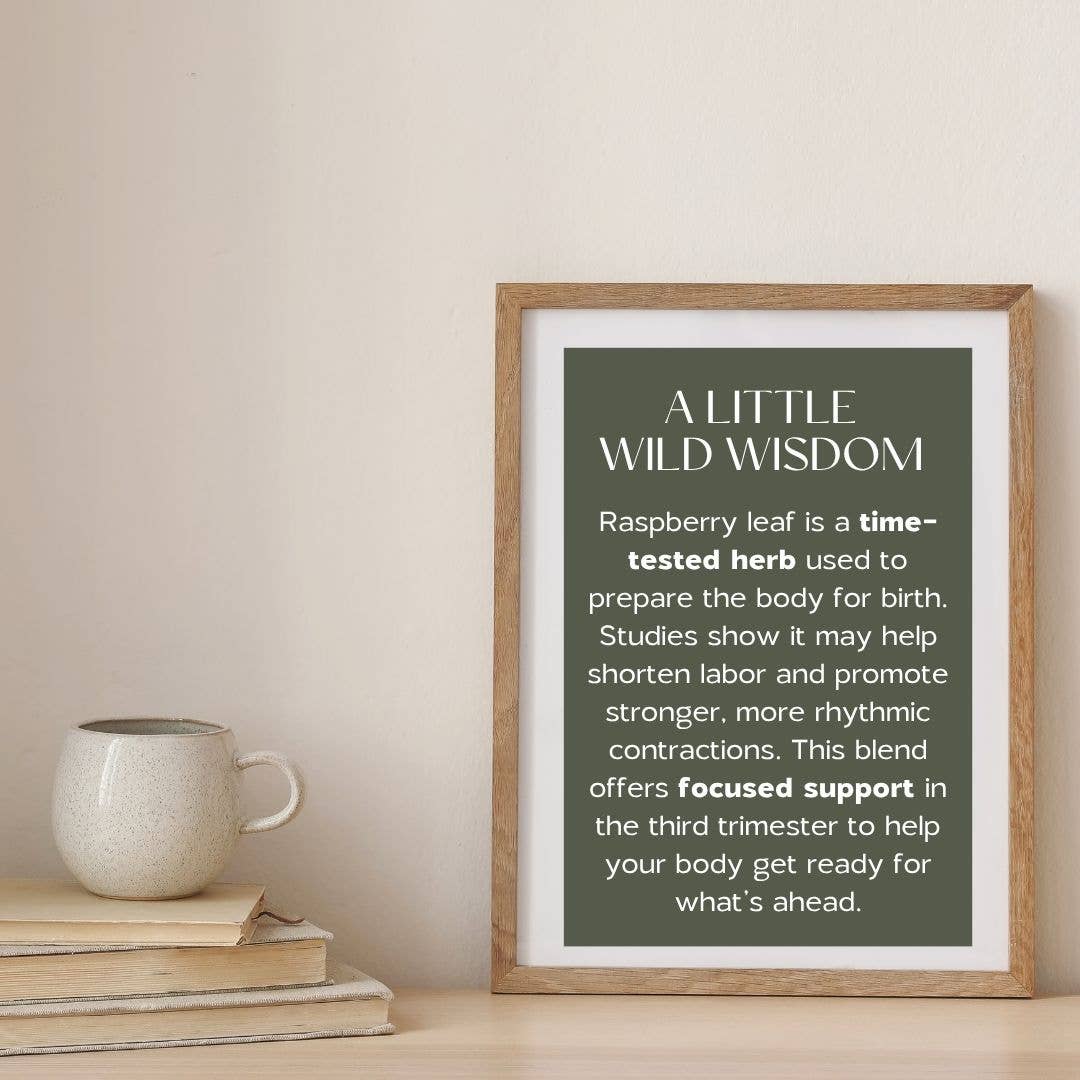
This formula was built around a single intention: to give a woman in her third trimester the mineral nourishment that the childbearing body asks for, anchored by the herb that midwives have trusted for this season longer than any of us can trace. Red raspberry leaf is not a gentle suggestion. It is the foundation — a plant with a deep, specific relationship to the uterus and the weeks before birth. Everything else in this cup was chosen to deepen what it does.

Nettle brings iron, calcium, and the green vitality of a plant that has been toning and nourishing women's bodies for centuries. Oat straw brings the nervous system into the picture: the mild, steadying quality that the final weeks before birth, with all their anticipation and uncertainty, genuinely need. Alfalfa adds another layer of mineral depth, its vitamin K content particularly relevant in the late weeks of pregnancy.

Spearmint and fennel support the digestion that can grow complicated as the baby takes up more space. Rosehips contribute vitamin C and a brightness that keeps this cup from feeling heavy. Chamomile adds its gentle quieting note to the whole.

This is what women have always known: that the plants do not work in isolation, and neither do we.

Season of Life

Season of Life

Third trimester · the final weeks before birth

Tasting Notes

Tasting Notes

Earthy · faint spearmint · lightly tart · warm and mineral-deep

Ritual Moment

Ritual Moment

Morning and afternoon · the weeks before labor

Energetics

Energetics

Toning · deeply nourishing · grounding
Season of Life

Season of Life

Third trimester · the final weeks before birth

Tasting Notes

Tasting Notes

Earthy · faint spearmint · lightly tart · warm and mineral-deep

Ritual Moment

Ritual Moment

Morning and afternoon · the weeks before labor

Energetics

Energetics

Toning · deeply nourishing · grounding
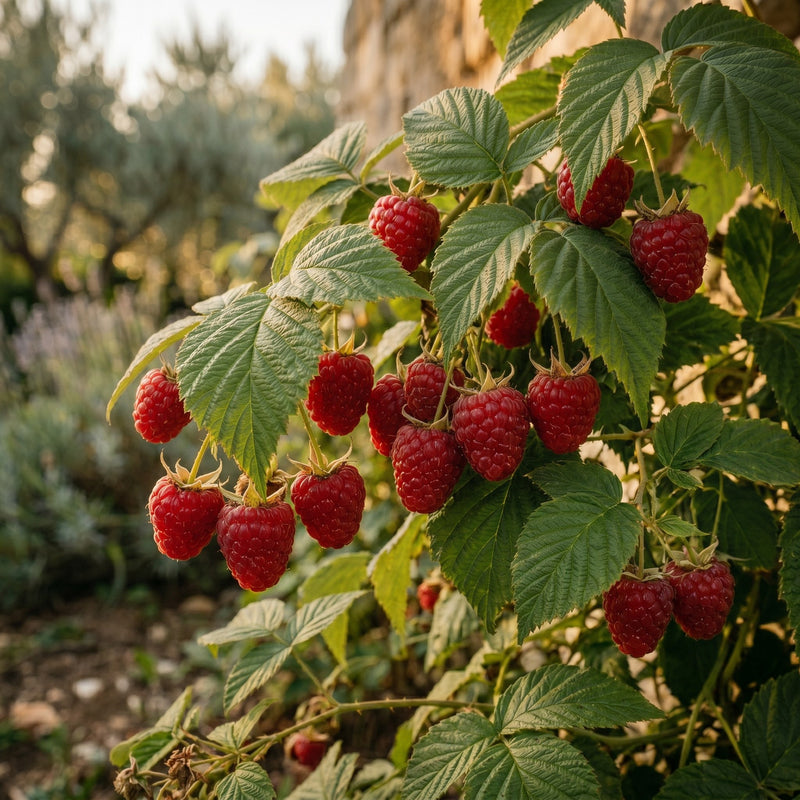
Red Raspberry Leaf

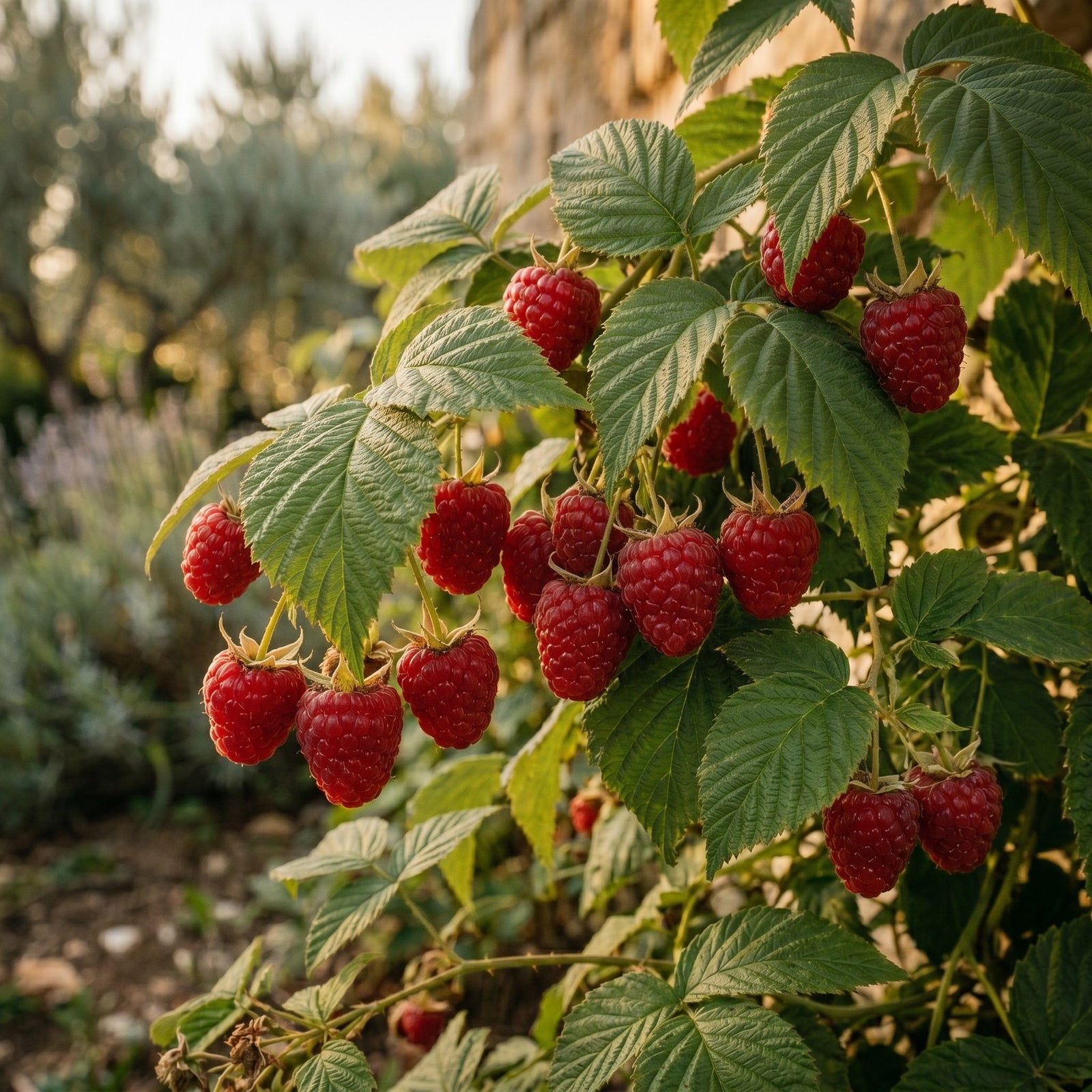
Red raspberry leaf grows in hedgerows and thickets across the temperate world, trailing its canes through whatever space the land offers. It has been part of women's herb knowledge for longer than records exist: the midwife's herb, the birth herb, the plant that women have quietly passed to one another in the weeks before labor with a certainty that requires no explanation. What I know from working with it is that it carries a particular quality of readiness. It does not push or force. It nourishes and prepares. That is why it is the foundation of this formula.

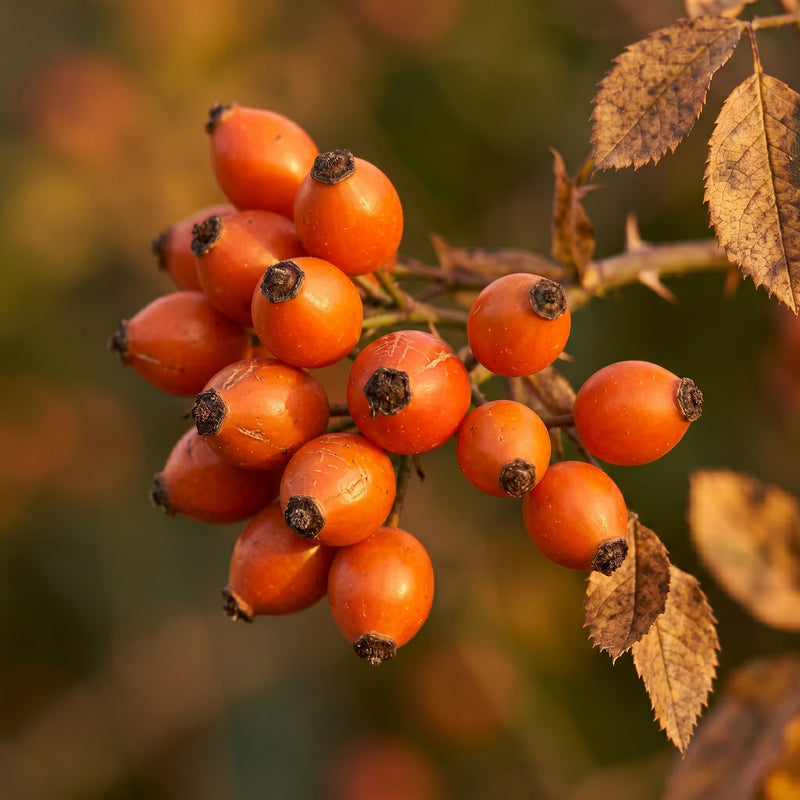
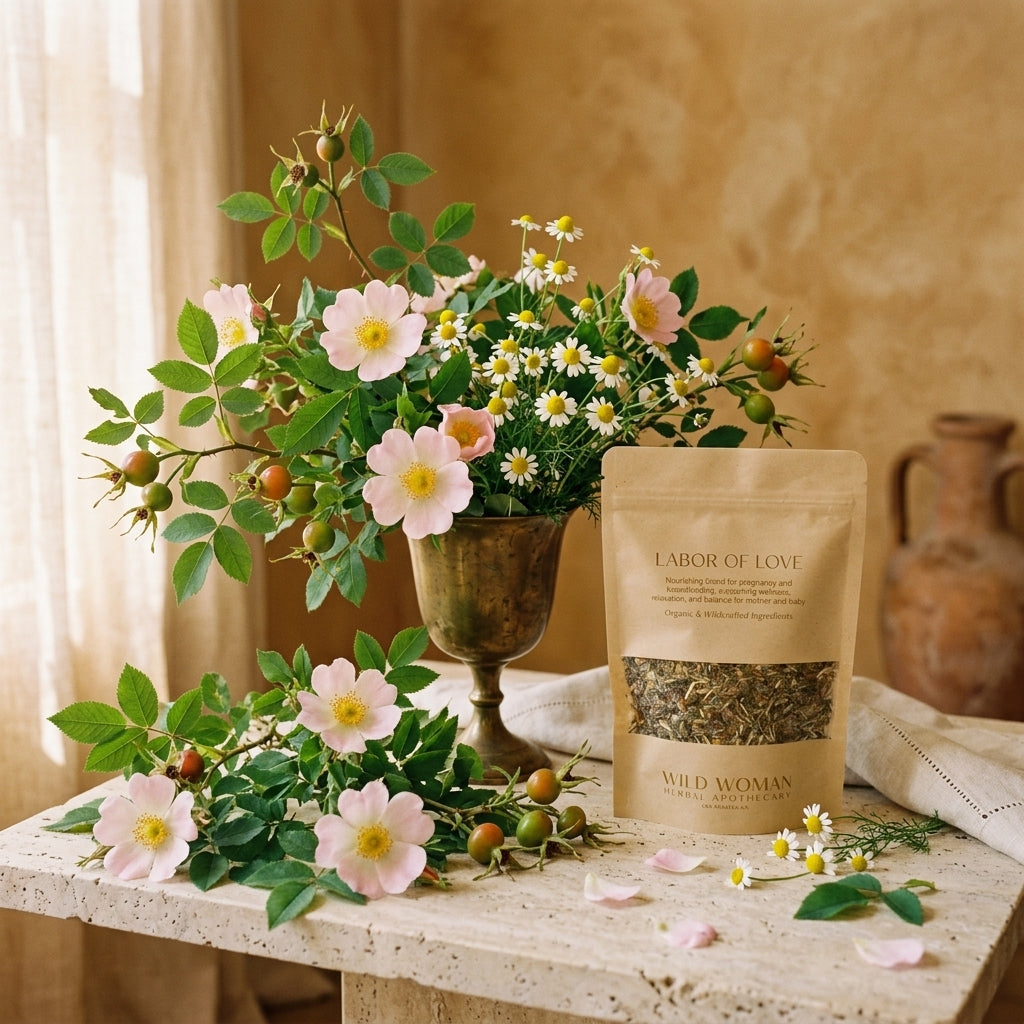
Rosehips

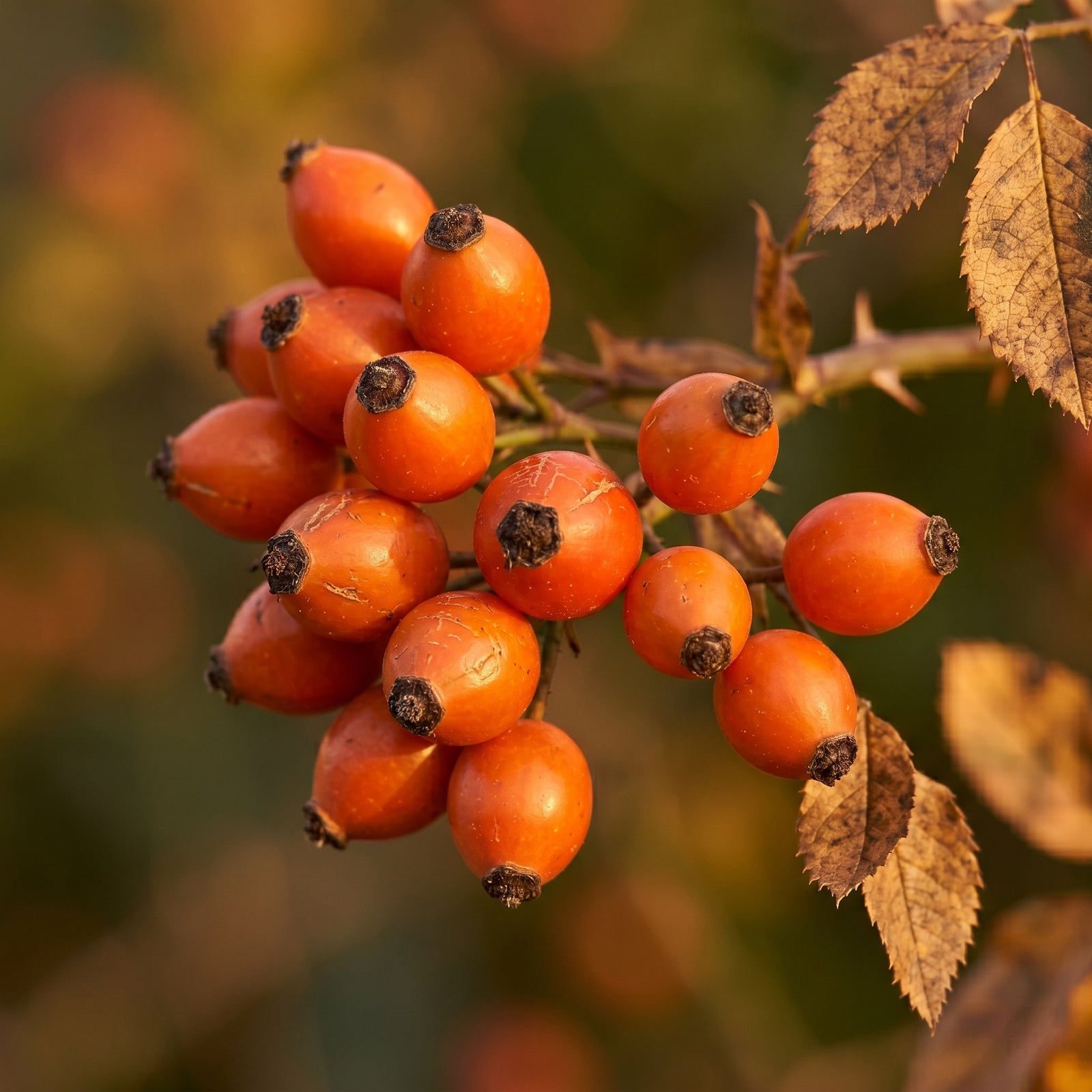
Rosehips are the fruit of the rose, gathered in autumn after the first frost when they have sweetened and deepened in color. They grow across wild and cultivated landscapes in great abundance, blazing orange-red against the cooling season. I include them in this formula for their brightness as much as their depth: rosehips are naturally high in vitamin C and carry a tartness that lifts the whole cup, keeping it from feeling heavy or overly medicinal. There is something true about including the fruit of the rose in a formula made for women moving toward birth.

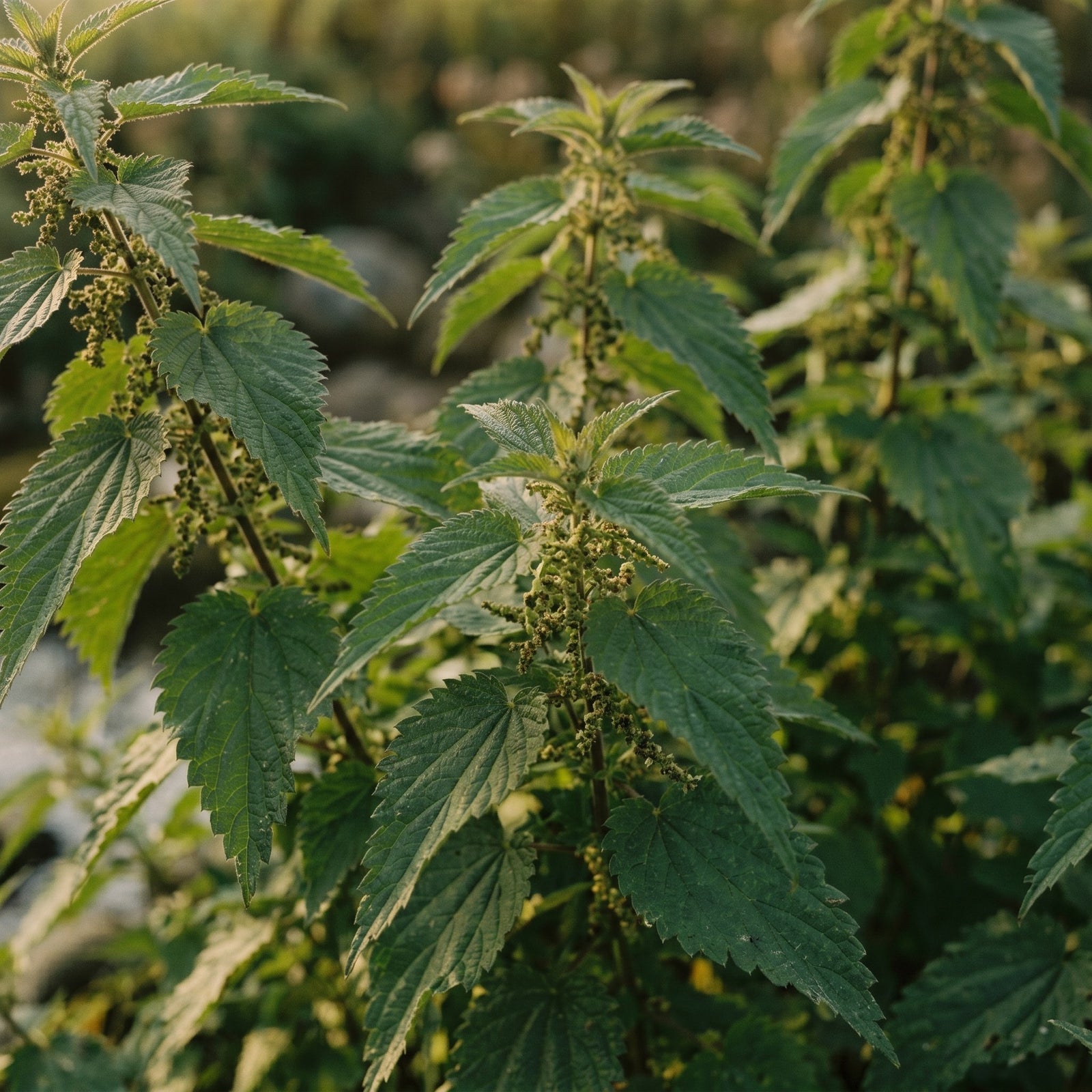
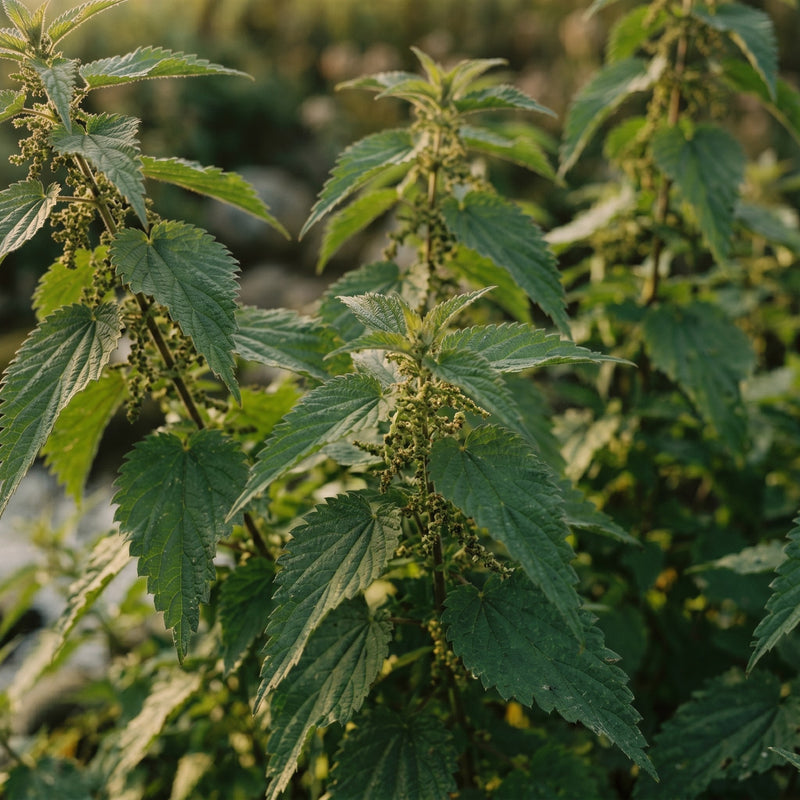
Nettle

Nettle grows where the land is rich and relatively undisturbed — along creek banks, at the edges of woods, in any place where the soil has held its depth. I have gathered it in spring when the young leaves are still tender, careful of the sting that disappears completely with heat. It is one of the most mineral-dense plants a woman can drink, and that density is exactly what the third trimester calls for: a body that is building and giving while also preparing for the enormous work of birth. Nettle is not dramatic. It is quietly essential.

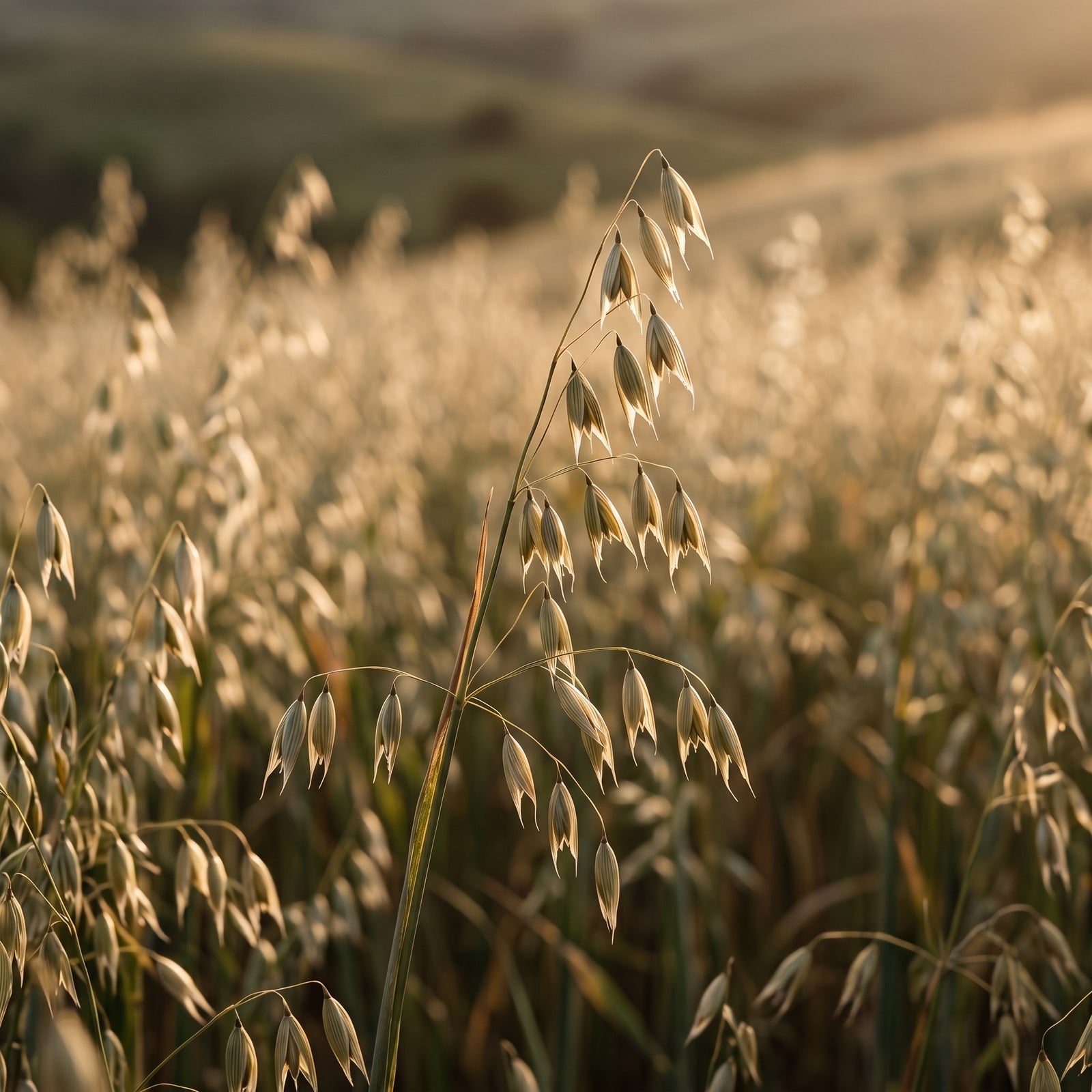
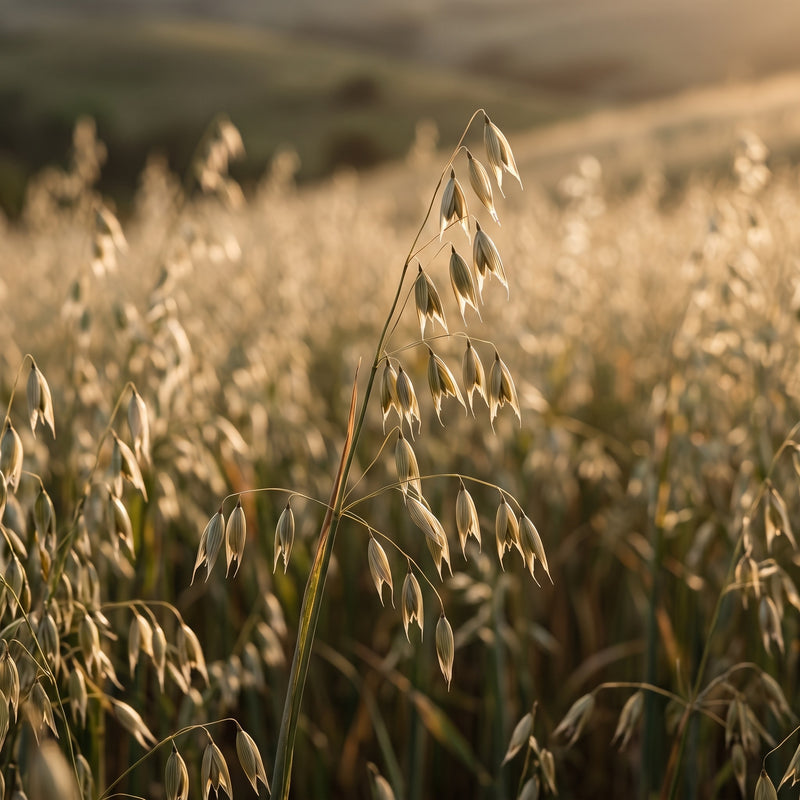
Oat Straw

Oat straw is the green aerial part of the oat plant, harvested before the grain fills in, when all the plant's nourishment is still held in the stalk. It has a mild, almost creamy quality that I find true to its traditional use: oat straw has long been associated with feeding the nervous system, with the kind of nourishment that supports steadiness rather than sedation. In the third trimester, when the body and mind are holding a great deal at once, that quality matters. It brings a softness to this cup that the other herbs need.

Red Raspberry Leaf

Red raspberry leaf grows in hedgerows and thickets across the temperate world, trailing its canes through whatever space the land offers. It has been part of women's herb knowledge for longer than records exist: the midwife's herb, the birth herb, the plant that women have quietly passed to one another in the weeks before labor with a certainty that requires no explanation. What I know from working with it is that it carries a particular quality of readiness. It does not push or force. It nourishes and prepares. That is why it is the foundation of this formula.

Rosehips

Rosehips are the fruit of the rose, gathered in autumn after the first frost when they have sweetened and deepened in color. They grow across wild and cultivated landscapes in great abundance, blazing orange-red against the cooling season. I include them in this formula for their brightness as much as their depth: rosehips are naturally high in vitamin C and carry a tartness that lifts the whole cup, keeping it from feeling heavy or overly medicinal. There is something true about including the fruit of the rose in a formula made for women moving toward birth.

Nettle

Nettle grows where the land is rich and relatively undisturbed — along creek banks, at the edges of woods, in any place where the soil has held its depth. I have gathered it in spring when the young leaves are still tender, careful of the sting that disappears completely with heat. It is one of the most mineral-dense plants a woman can drink, and that density is exactly what the third trimester calls for: a body that is building and giving while also preparing for the enormous work of birth. Nettle is not dramatic. It is quietly essential.

Oat Straw

Oat straw is the green aerial part of the oat plant, harvested before the grain fills in, when all the plant's nourishment is still held in the stalk. It has a mild, almost creamy quality that I find true to its traditional use: oat straw has long been associated with feeding the nervous system, with the kind of nourishment that supports steadiness rather than sedation. In the third trimester, when the body and mind are holding a great deal at once, that quality matters. It brings a softness to this cup that the other herbs need.

The Ritual

Practices that support the plants

Honor yourself

What you will carry

Take a piece of paper and write one word you want to carry into the birth room with you. Let it arrive without deliberation — the first word is usually the true one. If you work with a deck, this is a good moment to pull a card and sit with the question: what does this season need you to know before it ends?

Return to the body

Both hands, here

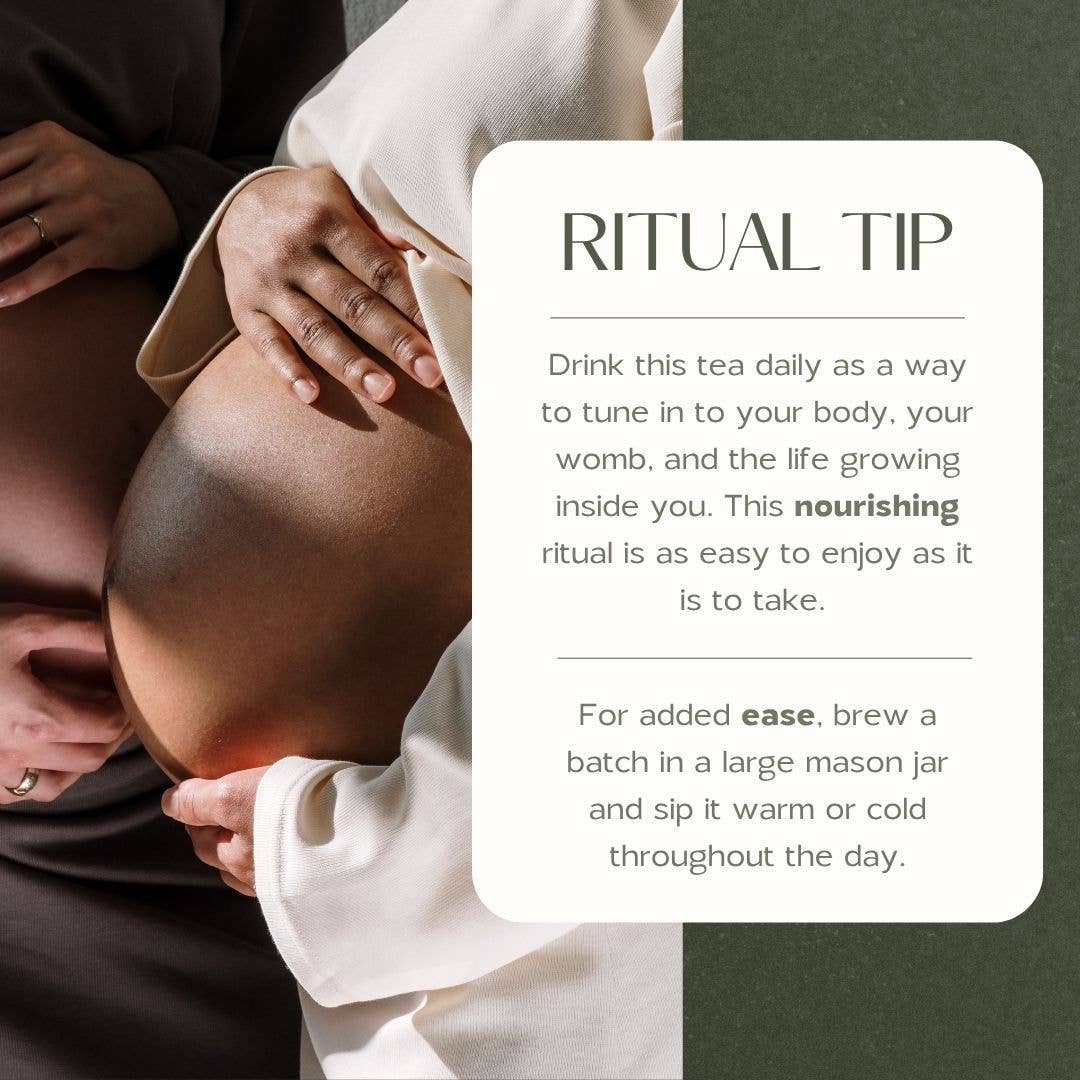
Sit with both hands resting on your belly. Feel the weight of it, the warmth, the particular aliveness of this season of the body. Take three slow breaths and let each exhale begin in the hips. Your body knows more about what is coming than your mind does. Let it lead.

Remember the earth

Learn to see what is there

On your daily walk, choose one plant from this formula and look for it. Red raspberry leaf trails along hedgerows and fence lines. Rosehips blaze orange-red on wild rose canes in autumn. Oat grass grows in fields and roadsides more commonly than most people realize. You may not find it. The looking is the practice — the slowing down, the noticing, the beginning of a relationship with something that has been growing quietly in the world long before you needed it.

Rooted in Lineage. Made with Reverence.

Every formula in this apothecary is made in small batches in Los Angeles, using herbs that are organically grown or seasonally wildcrafted whenever possible. We work with plants at the peak of their potency — harvested in the right season, prepared slowly, and handled with the same reverence we hope you bring to using them.

This is medicine in the oldest sense of the word: plant wisdom, carefully tended, passed forward with care.

Jasmine's Note

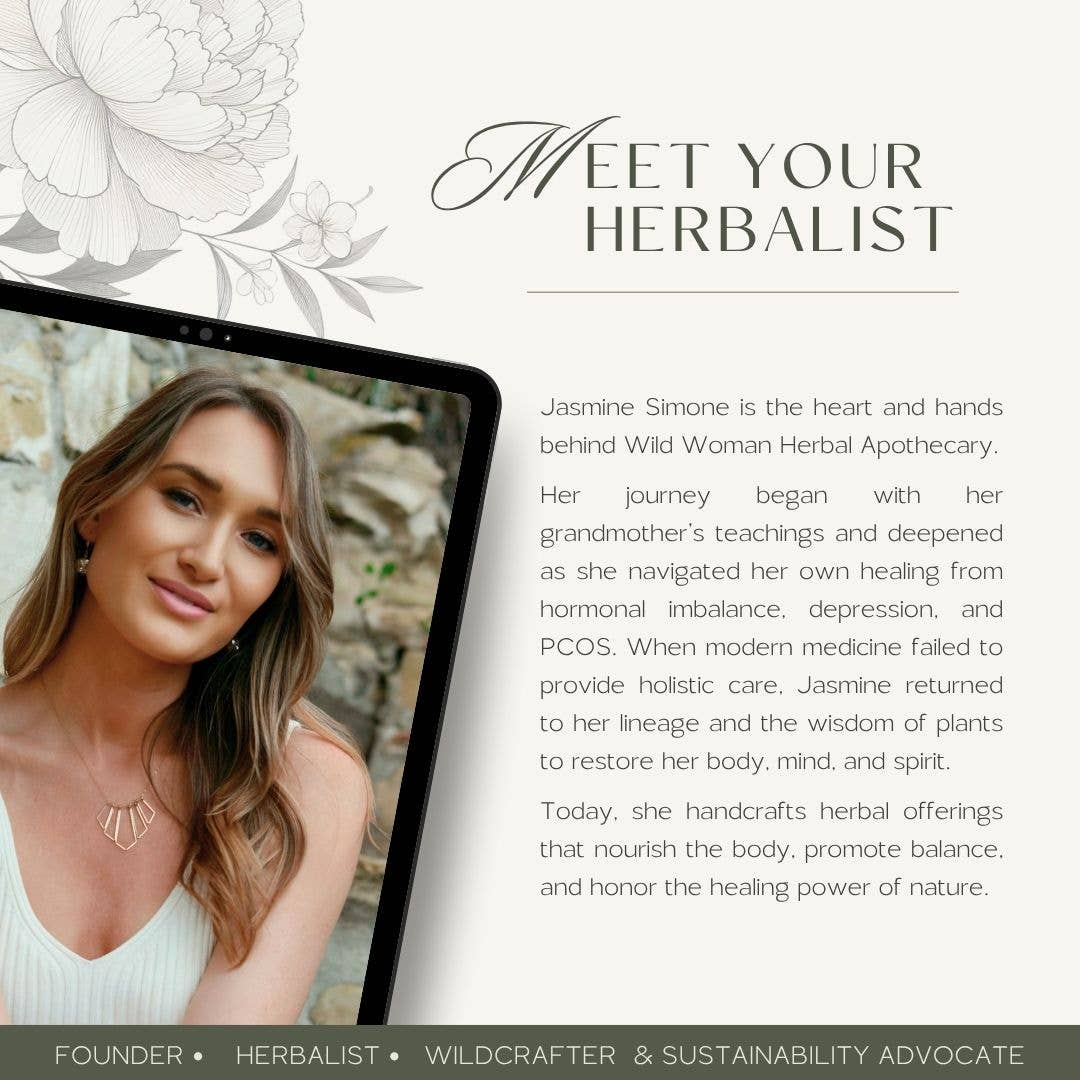
My grandmother didn't call it herbalism. She just knew things — which plants to reach for, which roots to dry, what the earth offered when the body asked. She learned it from her father, who kept a garden in Biloxi and understood plants the way some people understand people. That knowledge passed to her, and quietly, to me.

I didn't fully understand what I'd inherited until my own body started asking questions that medicine couldn't answer. Hormonal chaos, long seasons of depression, the particular exhaustion of feeling disconnected from yourself. I remembered the whisperings. I turned back toward the plants. Everything in this apothecary came from that turning — things I made for myself first, and then for the women in my life who needed the same. I offer them to you the way my grandmother offered what she knew: as a hand extended, as something real.

-Jasmine

Frequently Asked Questions

A Note on Plant Medicine

Plants are powerful — and like any potent thing, they deserve to be used with care and knowledge. These formulas are crafted with intention, but they are not a substitute for medical guidance. Before beginning a new herbal practice, we encourage you to speak with your healthcare provider, especially if you are pregnant, nursing, trying to conceive, managing a health condition, or taking prescription medication. Wild Woman products are not intended to diagnose, treat, cure, or prevent any disease.