







Skip to content

Cart

Your cart is empty

Lactation Support

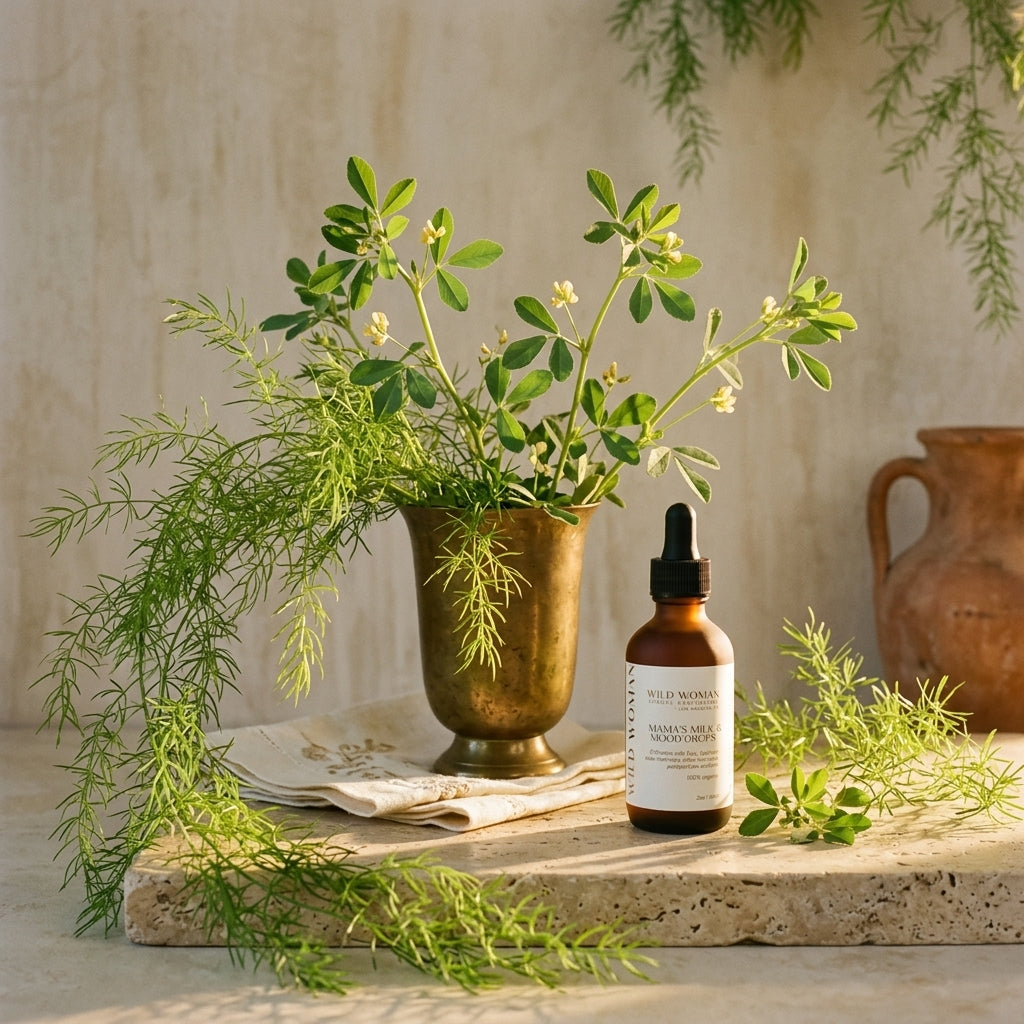
Mama's Milk & Mood Drops

herbal support for breastfeeding mothers

Sale price$30.00

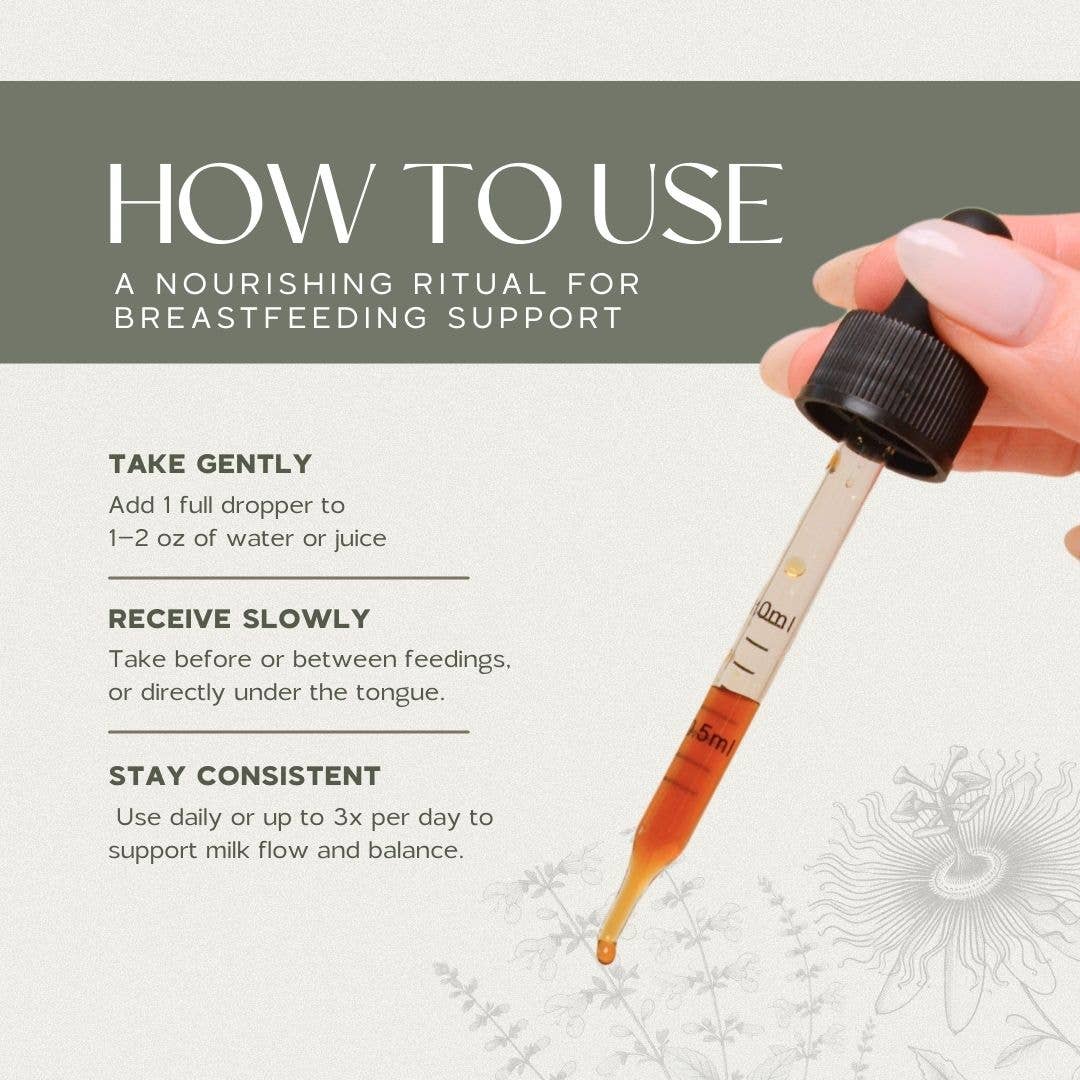
Somewhere between the night and morning feeds, the mother needs tending to. The natural herbs for breastfeeding that women have passed hand to hand for centuries were gathered with exactly her in mind. Fenugreek, fennel, blessed thistle, and shatavari carry the old galactagogue tradition, joined here by tulsi for the tender weather of early motherhood. A few drops, taken daily, for milk production and the mood of this season.

warm · maple-sweet · soft anise · steadying

Mama's Milk & Mood Drops
Mama's Milk & Mood Drops Sale price$30.00

Mama's Milk & Mood Drops

PRODUCT DETAILS

The Plants

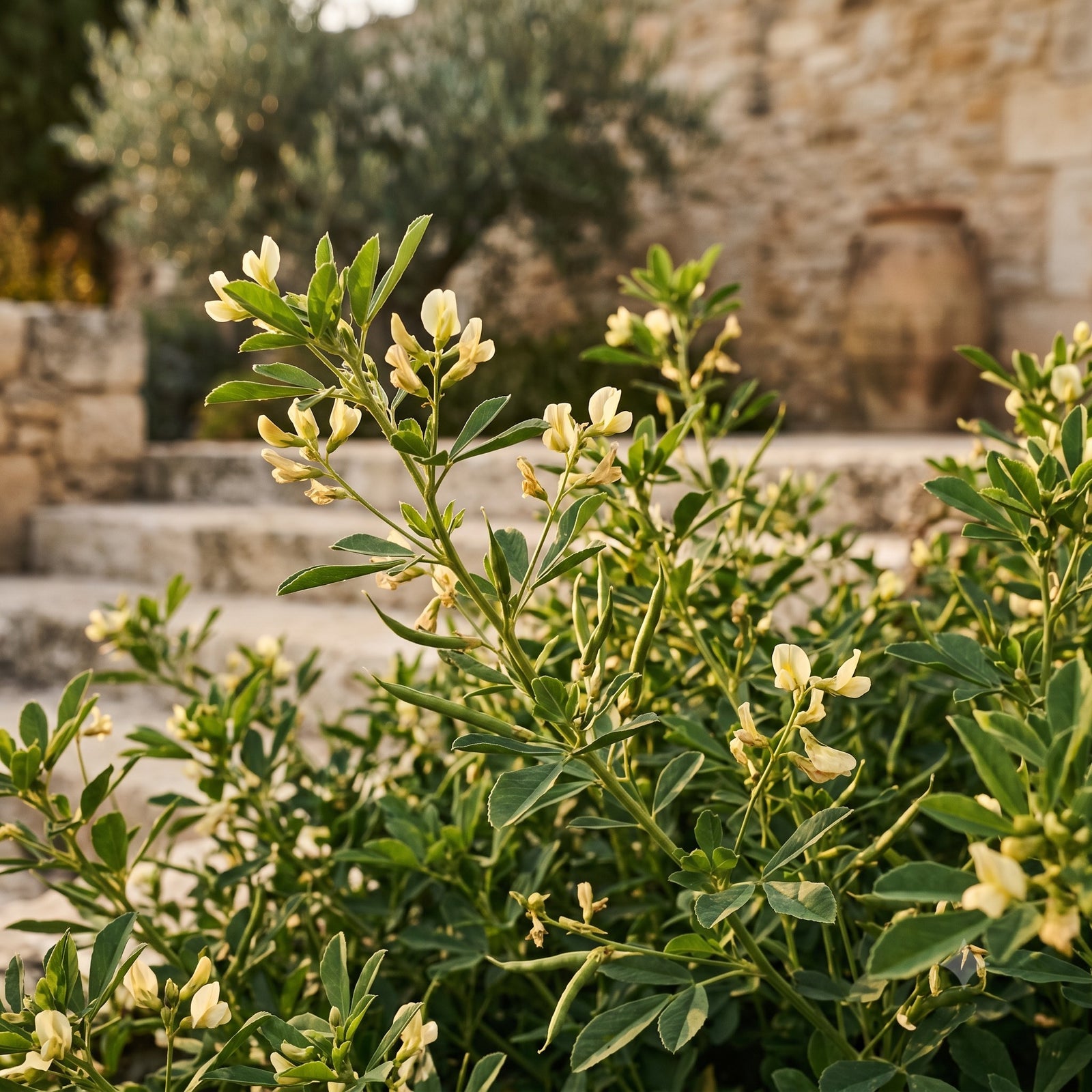
Fenugreek is one of the oldest cultivated plants on earth. Its small golden seeds have been found in Egyptian tombs, simmered in the kitchens of India, and steeped for nursing mothers across the Mediterranean and the Middle East for longer than anyone has been writing these things down. Wherever women have fed babies, fenugreek has been nearby, and the maple sweetness it lends this formula is the plant announcing itself the way it always has.

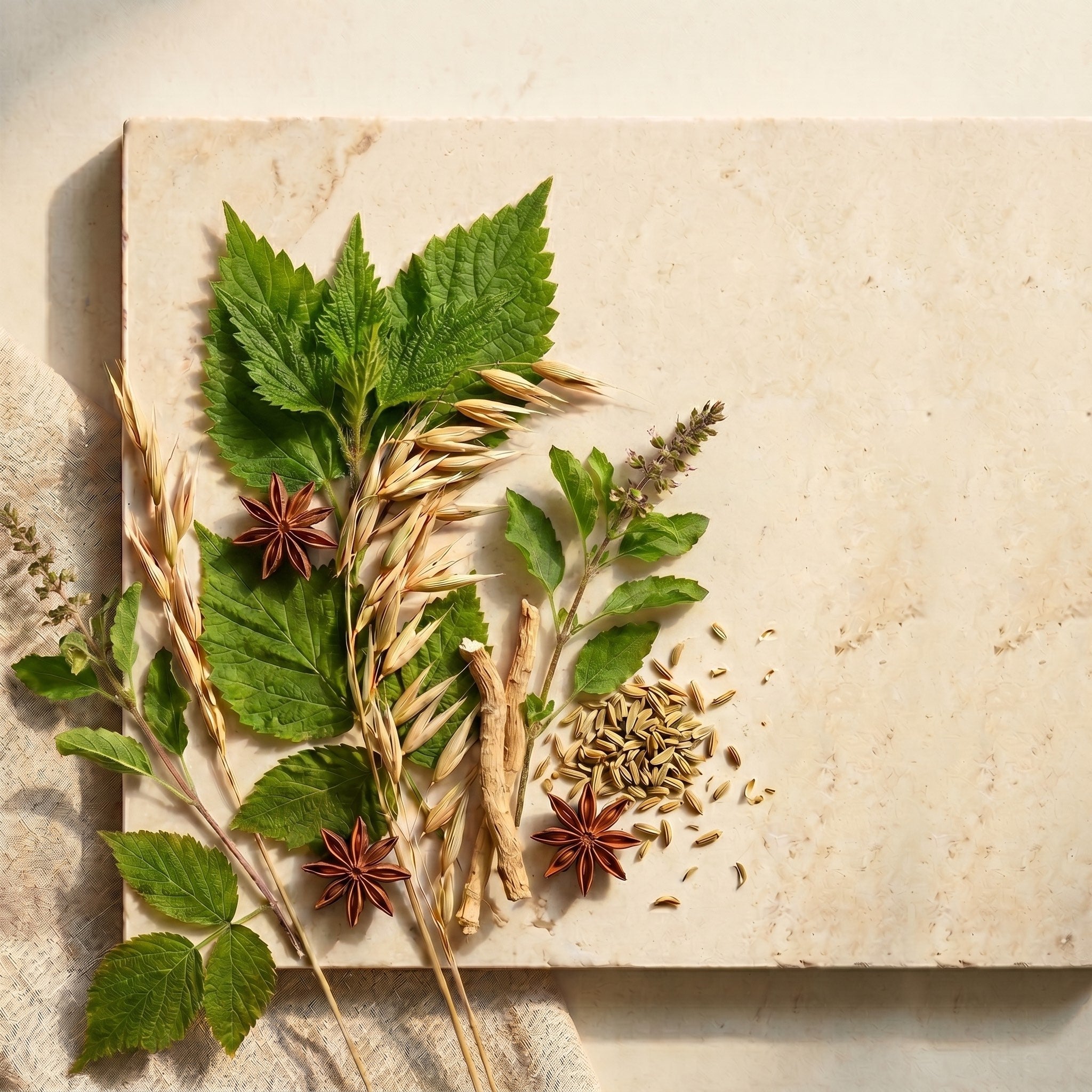
Herbalists call these plants galactagogues, the traditional term for herbs used across cultures to support healthy milk flow. The pairing at the heart of this blend, fenugreek with blessed thistle, has been passed between midwives and mothers for generations, with fennel alongside them in the same lineage. Red raspberry leaf and star anise round the formula out with mineral nourishment and a gentle aromatic warmth.

But milk is only half of what the nursing season asks of a woman. The other half is lived in the early hours, in the overwhelm, in the strange new weather of a self that has just been remade. So this formula holds shatavari, the great Ayurvedic herb of the mothering years, and tulsi, long grown at thresholds as a plant of steadiness. One bottle for the whole mother, because the milk and the mood were never separate to begin with.

Season of Life

Season of Life

Postpartum · The fourth trimester

Tasting Notes

Tasting Notes

Warm · maple-sweet · soft anise · gentle finish

Ritual Moment

Ritual Moment

Daily · through the nursing months

Energetics

Energetics

Nourishing · steadying

Season of Life

Season of Life

Postpartum · The fourth trimester

Tasting Notes

Tasting Notes

Warm · maple-sweet · soft anise · gentle finish

Ritual Moment

Ritual Moment

Daily · through the nursing months

Energetics

Energetics

Nourishing · steadying

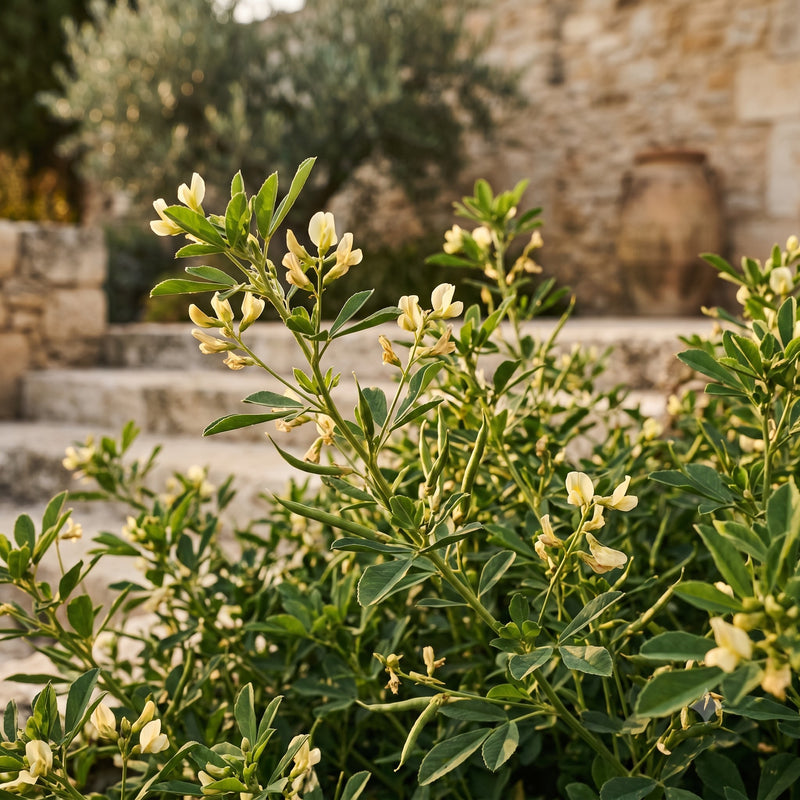
Fenugreek

Fenugreek grows in the dry, bright places of the Mediterranean and western Asia, and it has been cultivated so long that its wild origin is half forgotten. It is the plant most reached for in the galactagogue tradition, steeped and simmered for nursing mothers across Egypt, India, and the Middle East for thousands of years. I love that fenugreek refuses to be subtle: work with it for a few days and you will smell maple syrup on your own skin. That honesty is the plant's character. It announces that something is moving, and it asks you to pay attention to your body while it does.

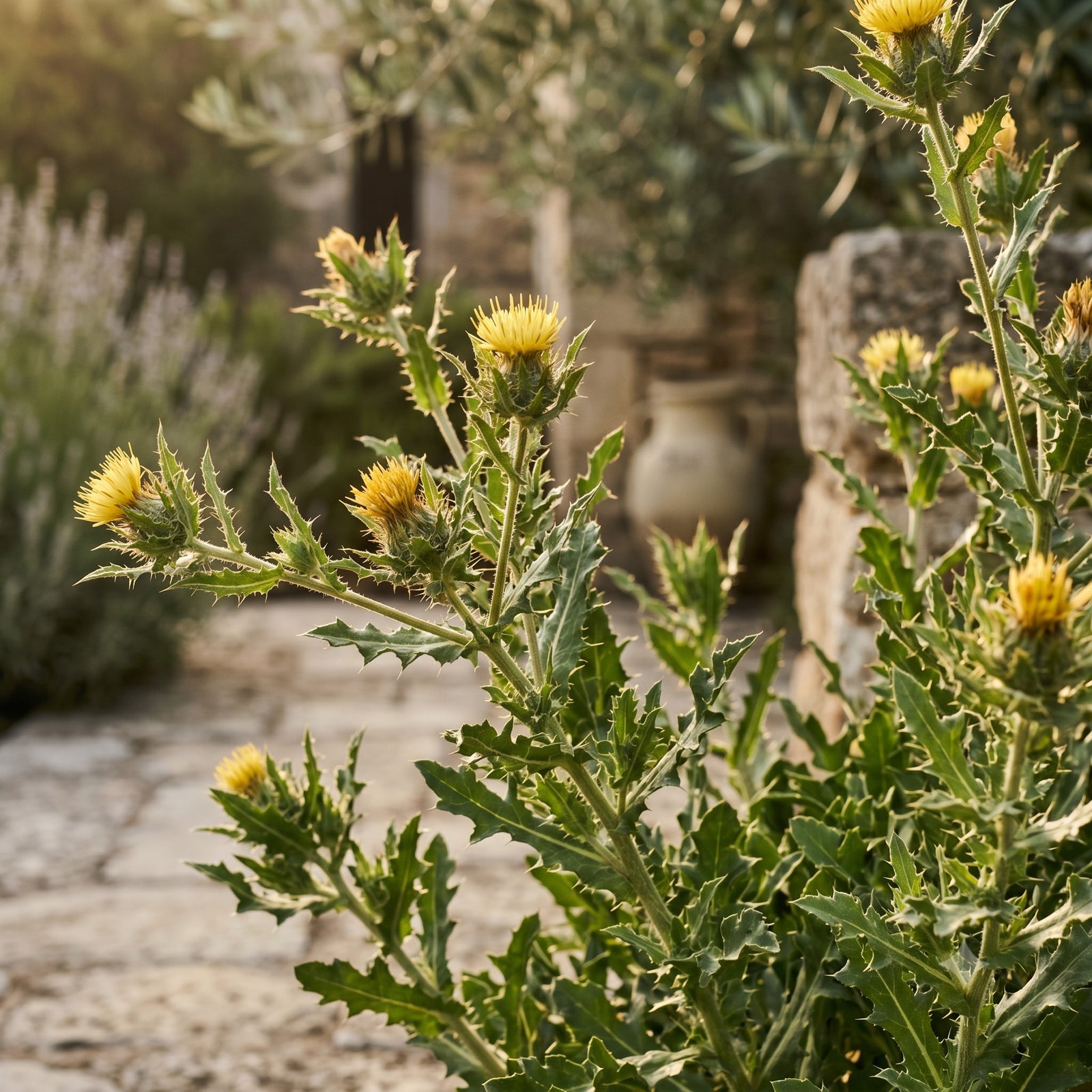
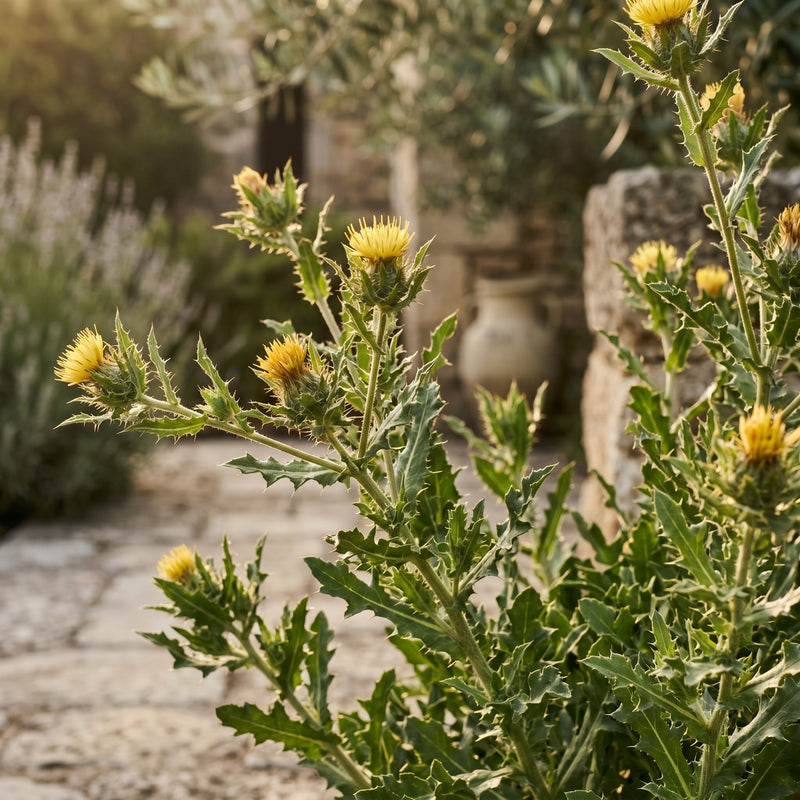
Blessed Thistle

Blessed thistle earned its name in the monastery gardens of medieval Europe, where it was grown as a plant of vitality and kept close through hard seasons. It is spiny, bitter, and unglamorous, and it has been paired with fenugreek by midwives for generations, the two herbs traditionally taken together to support milk production and postpartum strength. In my practice I think of blessed thistle as the steady companion in that pairing. Fenugreek announces itself; blessed thistle simply shows up, the way the women who taught this tradition always did.

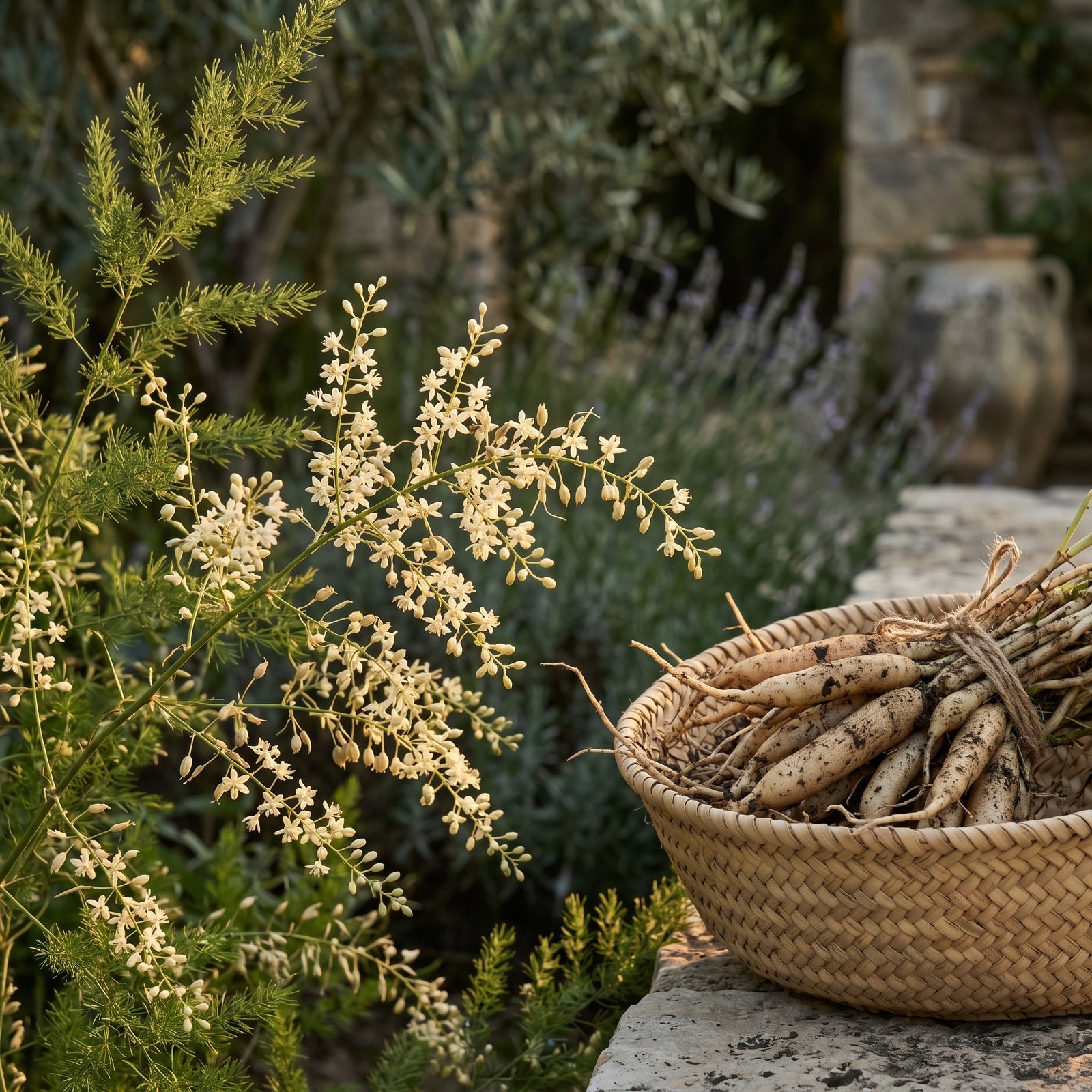
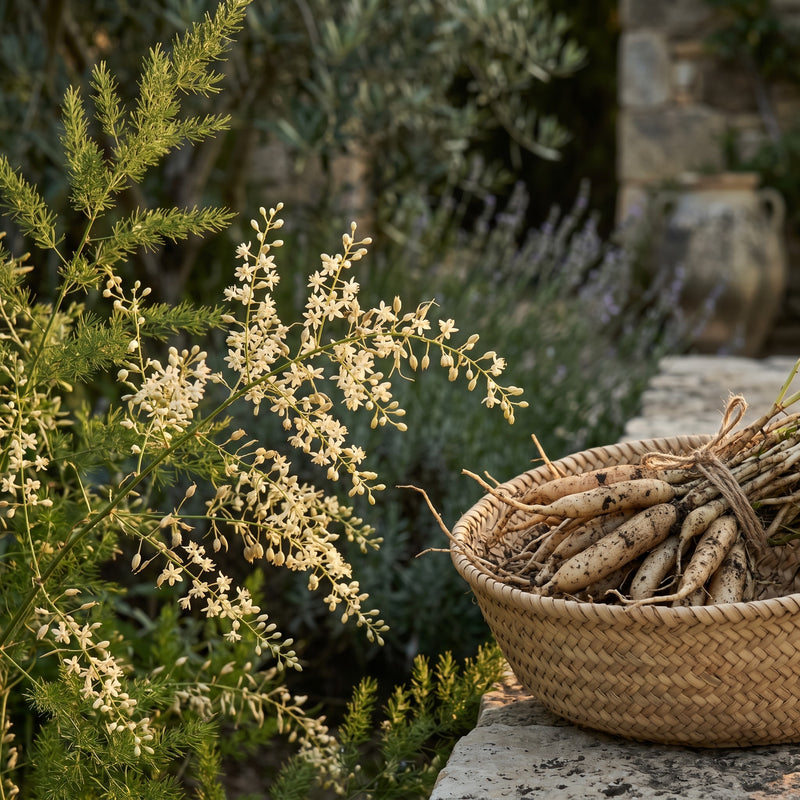
Shatavari

Shatavari is a wild asparagus that climbs through the forests of India, its strength held underground in a hundred slender roots. In Ayurveda it is the rasayana of the mothering years, the deeply nourishing root traditionally given to women through pregnancy, birth, and nursing to rebuild what those seasons spend. I reach for shatavari when a woman's reserves are low and her emotions are running close to the surface, which is to say, I reach for it in the fourth trimester. It does not push the body. It feeds it, patiently, from the root up.

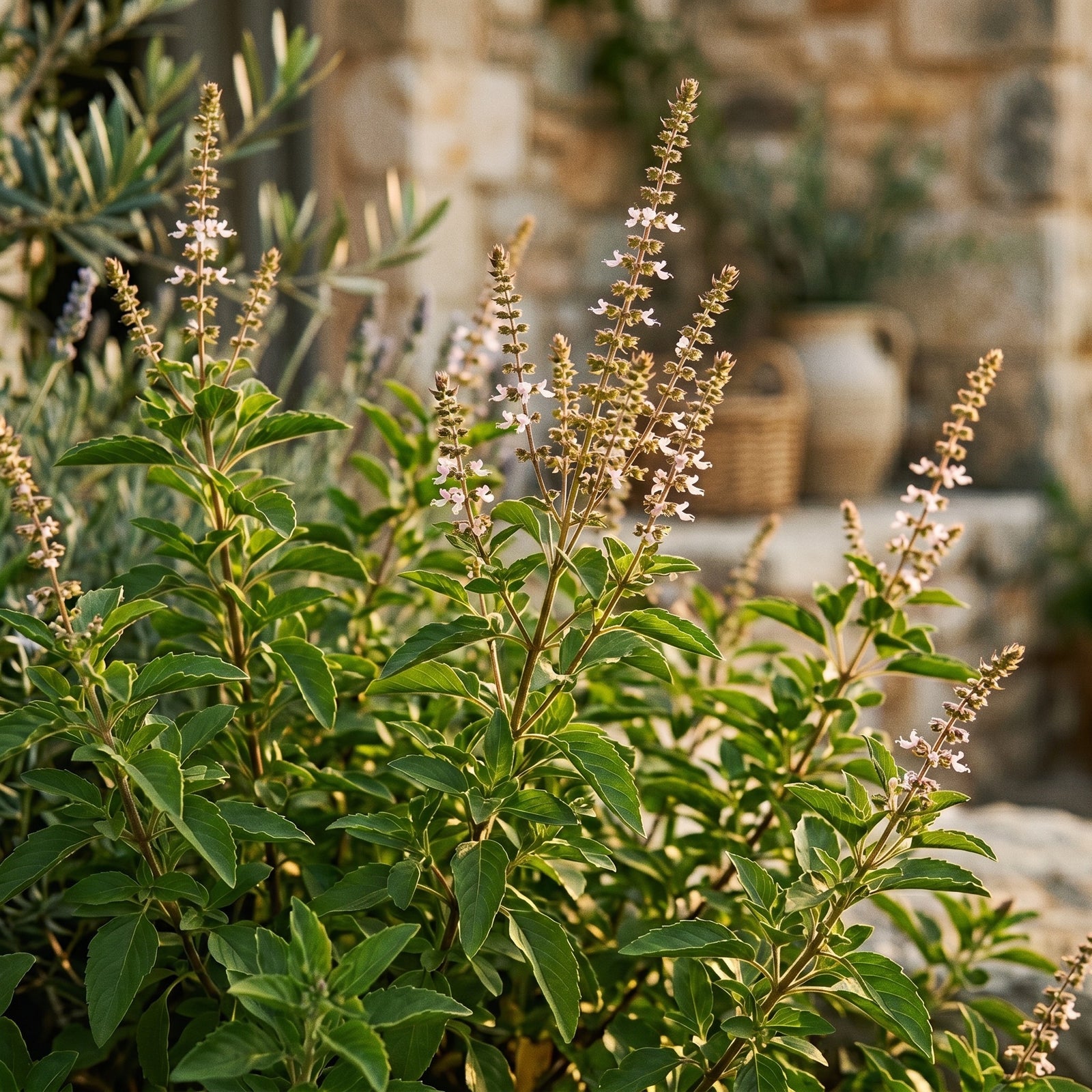
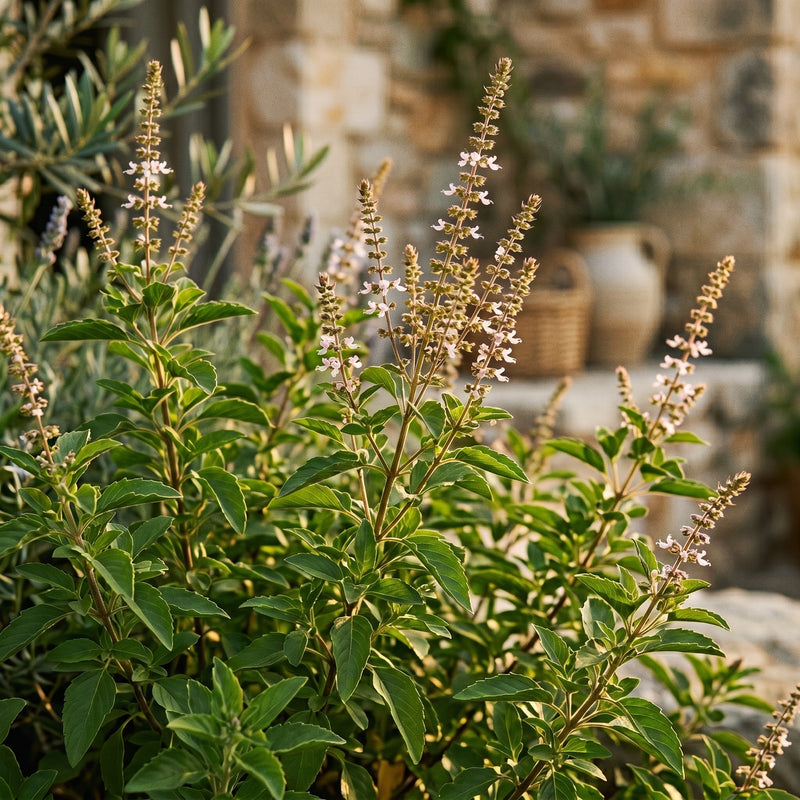
Tulsi

Tulsi grows at the thresholds of homes across India, planted in courtyards and doorways as a sacred presence, tended daily for thousands of years. Its name means the incomparable one, and it is traditionally used to support steadiness when life is asking more than usual, which is the truest description of early motherhood I know. Tulsi is why this formula carries the word mood in its name. The plant does not numb anything. It simply helps a woman stay rooted in herself while everything around her is new.

Fenugreek

Fenugreek grows in the dry, bright places of the Mediterranean and western Asia, and it has been cultivated so long that its wild origin is half forgotten. It is the plant most reached for in the galactagogue tradition, steeped and simmered for nursing mothers across Egypt, India, and the Middle East for thousands of years. I love that fenugreek refuses to be subtle: work with it for a few days and you will smell maple syrup on your own skin. That honesty is the plant's character. It announces that something is moving, and it asks you to pay attention to your body while it does.

Blessed Thistle

Blessed thistle earned its name in the monastery gardens of medieval Europe, where it was grown as a plant of vitality and kept close through hard seasons. It is spiny, bitter, and unglamorous, and it has been paired with fenugreek by midwives for generations, the two herbs traditionally taken together to support milk production and postpartum strength. In my practice I think of blessed thistle as the steady companion in that pairing. Fenugreek announces itself; blessed thistle simply shows up, the way the women who taught this tradition always did.

Shatavari

Shatavari is a wild asparagus that climbs through the forests of India, its strength held underground in a hundred slender roots. In Ayurveda it is the rasayana of the mothering years, the deeply nourishing root traditionally given to women through pregnancy, birth, and nursing to rebuild what those seasons spend. I reach for shatavari when a woman's reserves are low and her emotions are running close to the surface, which is to say, I reach for it in the fourth trimester. It does not push the body. It feeds it, patiently, from the root up.

Tulsi

Tulsi grows at the thresholds of homes across India, planted in courtyards and doorways as a sacred presence, tended daily for thousands of years. Its name means the incomparable one, and it is traditionally used to support steadiness when life is asking more than usual, which is the truest description of early motherhood I know. Tulsi is why this formula carries the word mood in its name. The plant does not numb anything. It simply helps a woman stay rooted in herself while everything around her is new.

Jasmine's Note

My grandmother didn't call it herbalism. She just knew things — which plants to reach for, which roots to dry, what the earth offered when the body asked. She learned it from her father, who kept a garden in Biloxi and understood plants the way some people understand people. That knowledge passed to her, and quietly, to me.

I didn't fully understand what I'd inherited until my own body started asking questions that medicine couldn't answer. Hormonal chaos, long seasons of depression, the particular exhaustion of feeling disconnected from yourself. I remembered the whisperings. I turned back toward the plants. Everything in this apothecary came from that turning — things I made for myself first, and then for the women in my life who needed the same. I offer them to you the way my grandmother offered what she knew: as a hand extended, as something real.

-Jasmine

Rooted in Lineage. Made with Reverence.

Every formula in this apothecary is made in small batches in Los Angeles, using herbs that are organically grown or seasonally wildcrafted whenever possible. We work with plants at the peak of their potency — harvested in the right season, prepared slowly, and handled with the same reverence we hope you bring to using them.

This is medicine in the oldest sense of the word: plant wisdom, carefully tended, passed forward with care.

Frequently Asked Questions

A Note on Plant Medicine

Plants are powerful — and like any potent thing, they deserve to be used with care and knowledge. These formulas are crafted with intention, but they are not a substitute for medical guidance. Before beginning a new herbal practice, we encourage you to speak with your healthcare provider, especially if you are pregnant, nursing, trying to conceive, managing a health condition, or taking prescription medication. Wild Woman products are not intended to diagnose, treat, cure, or prevent any disease.