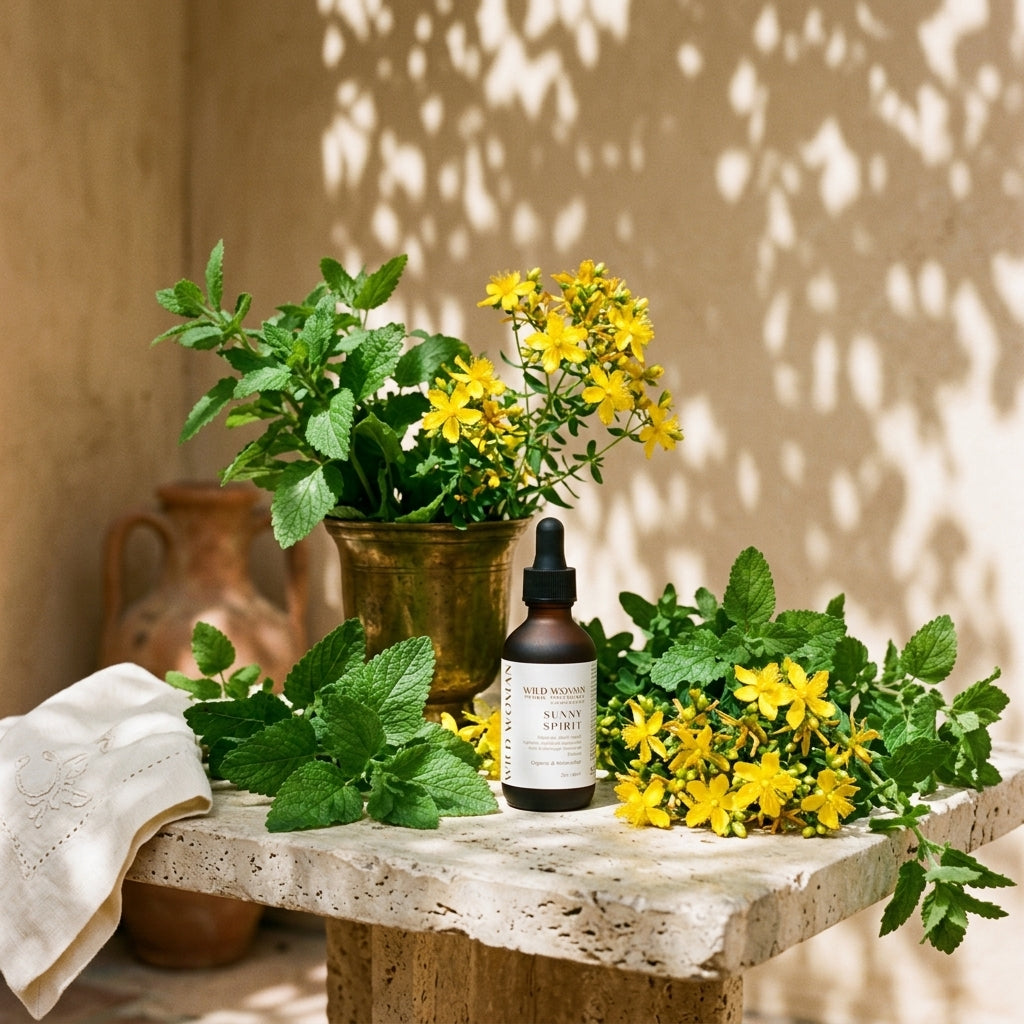

Sunny Spirit Tincture
herbal tincture for mood support
Some seasons hold more weight than they should, and this herbal tincture for mood support was made for those slow stretches when the light feels far away. St. John's Wort, gathered at midsummer when the plant carries the most sun, woven with Lemon Balm and the gladdening herbs women have reached for across centuries when the spirit feels heavy. Made in small batches in Los Angeles, the way my grandmother's lineage made medicine: slowly, with reverence.
bright · honeyed · floral · softening

Choose options


Sunny Spirit
PRODUCT DETAILS
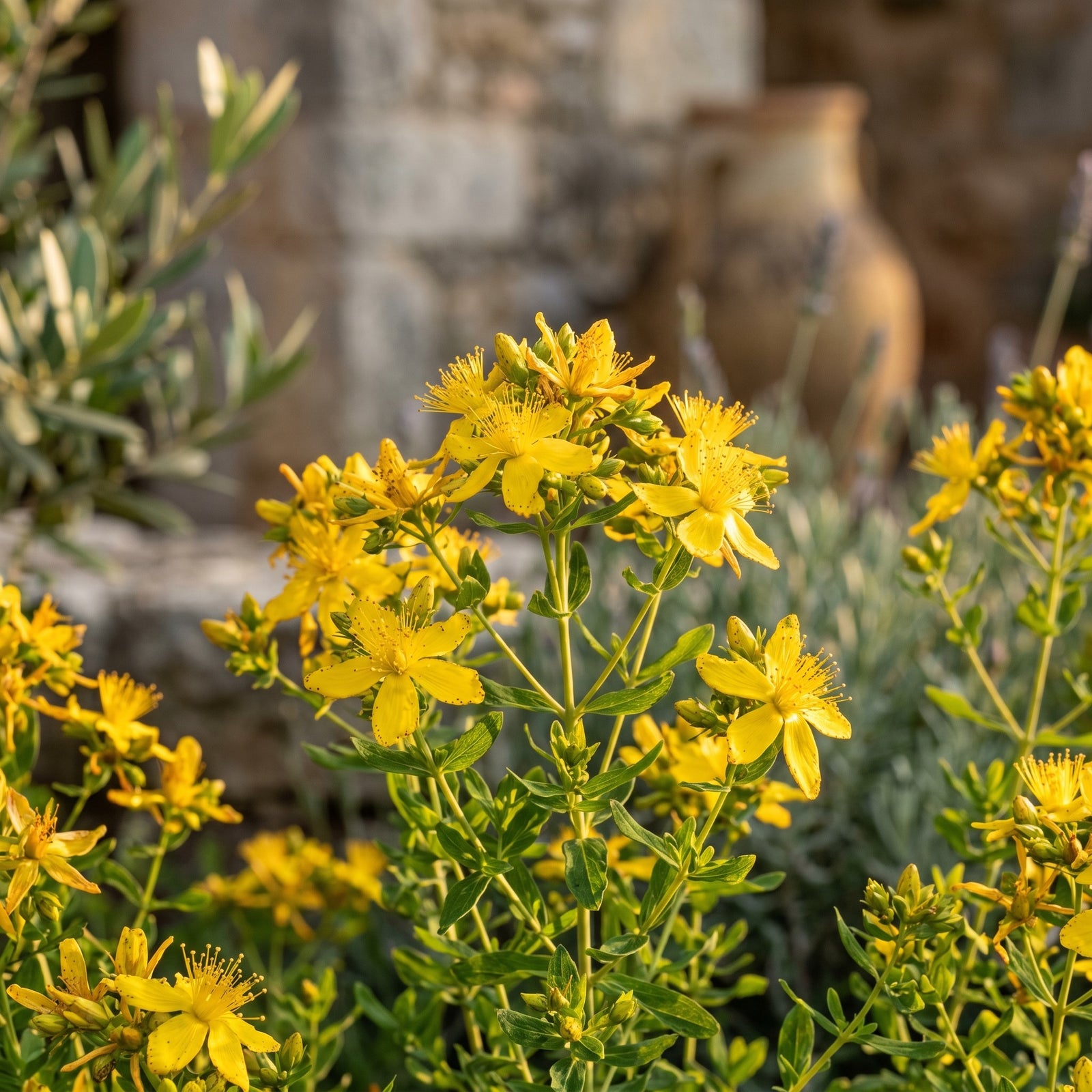
There is a plant that blooms at midsummer, when the year carries the most light, and bleeds bright red oil when you crush its yellow flowers between your fingers. St. John's Wort (Hypericum perforatum) has been the heart of every traditional formula for mood support and emotional heaviness in the Western herbal lineage. Women have gathered it on the longest day of the year and tinctured the sun into a bottle. It is the anchor of this blend.
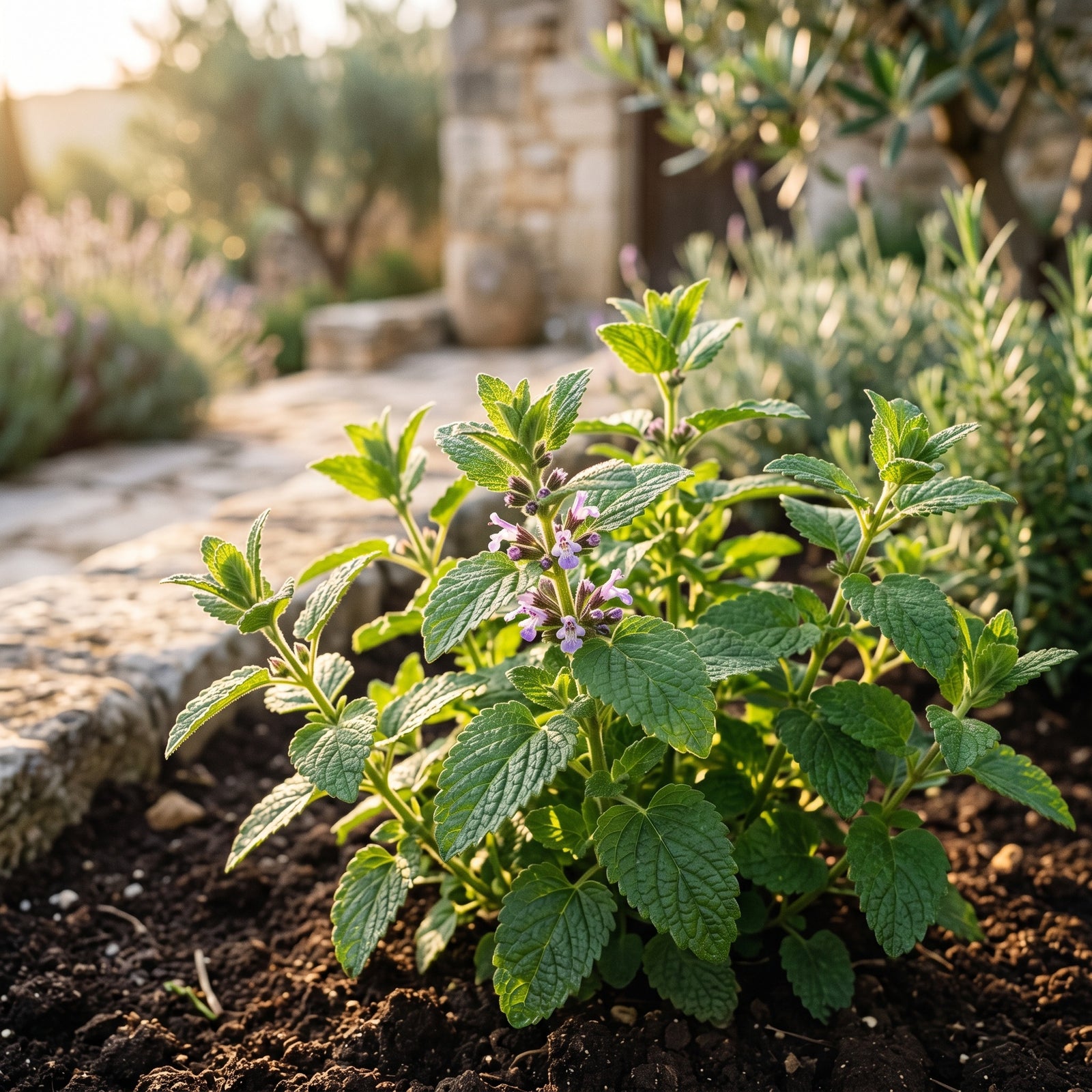
Around it, the gladdening herbs. Lemon Balm (Melissa officinalis), named in the European tradition for its specific gift of lifting heavy spirits without forcing anything. Tulsi (Ocimum tenuiflorum), the sattvic herb of the Ayurvedic tradition for the heart that has forgotten its own brightness. Damiana (Turnera diffusa), the Mexican folk herb for warmth and vitality when the body has gone cool with heaviness.
Beneath the mood-supportive layer, the nervous system layer. Milky Oat (Avena sativa), gathered in the brief window when its seed-heads release a milky sap, traditionally used for the depletion that often sits underneath low mood. Skullcap (Scutellaria lateriflora), for the nervous system that has been running on empty for so long it has forgotten any other state. These plants are not for the emotion itself. They are for the soil the emotion grows in.
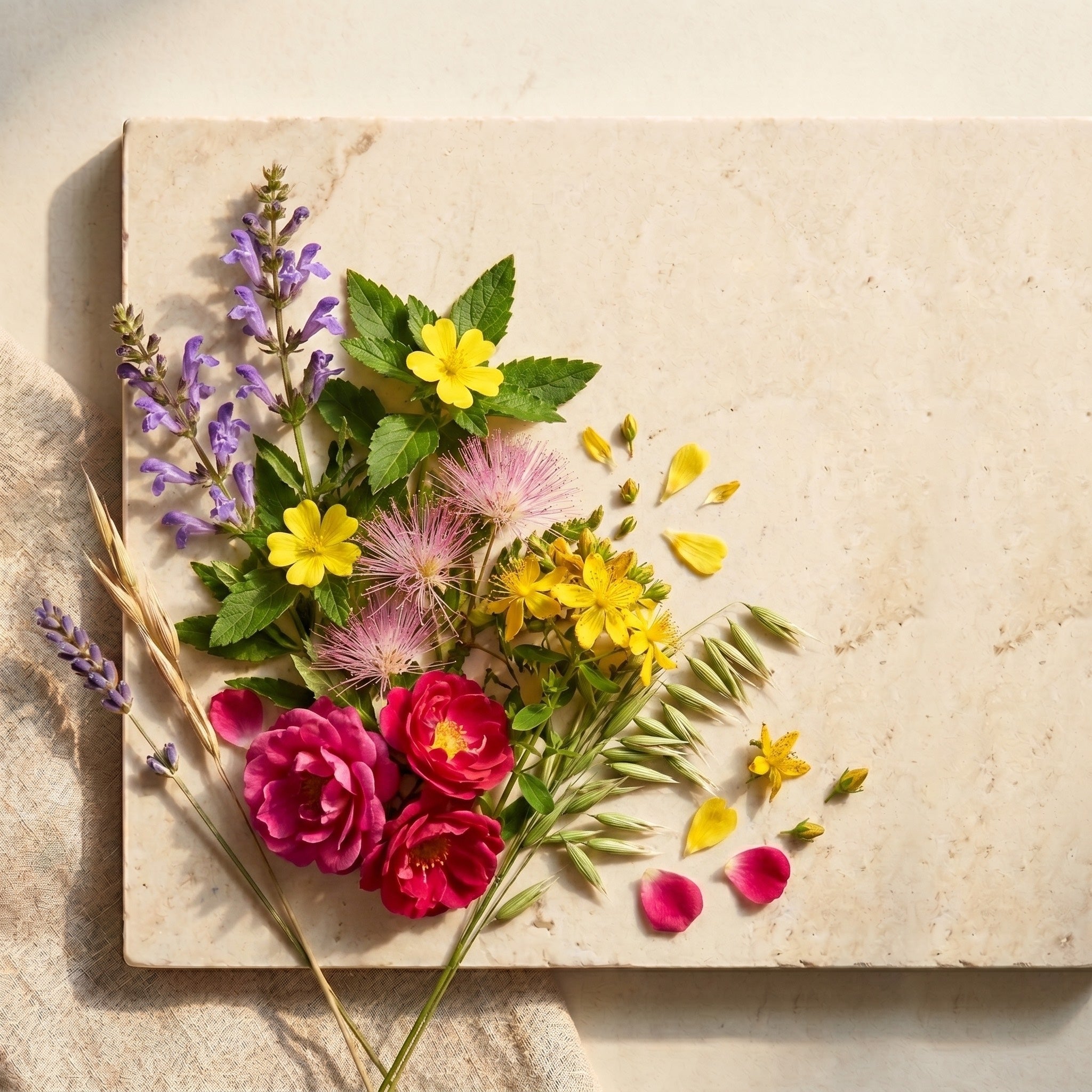
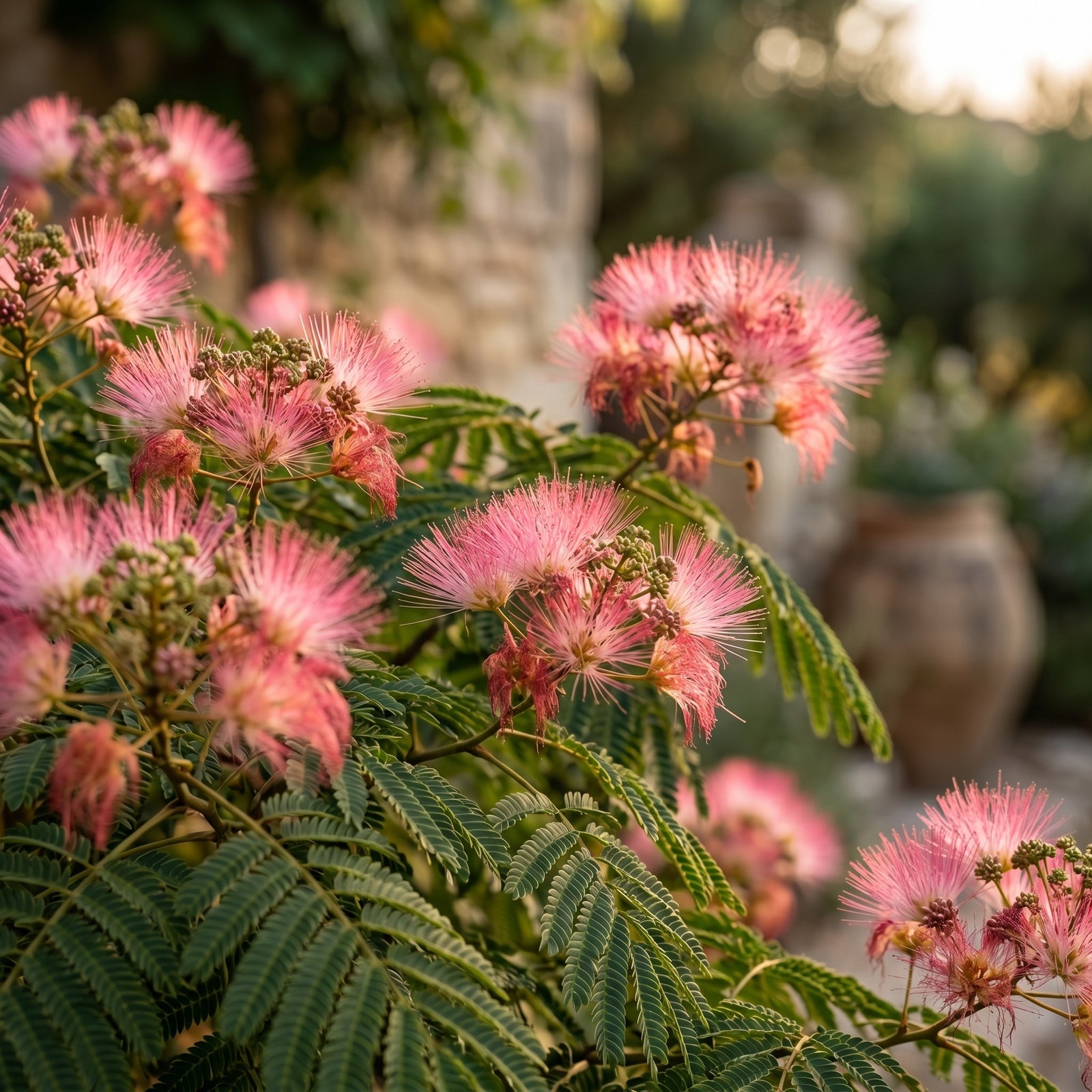
Mimosa flower (Albizia julibrissin), called He Huan Hua in the Chinese tradition, the collective happiness flower, for the quality of lightness it carries into a heavy room. Rose (Rosa centifolia), for the tenderness that keeps the lifting gentle. This is not a stimulating formula. It is a slow gathering of plants that, together, do what no single one of them could do alone: return the spirit to something close to itself.
Nothing in this apothecary is rushed or outsourced. The herbs are organically grown or wildcrafted by Jasmine in season, and tinctured slowly in small batches in Los Angeles. This is not a mood supplement. It is a tradition of plants, prepared the way medicine was prepared before there were aisles for it.
Shake gently before use. Take 30 drops directly under the tongue, or add to a small glass of water, once or twice daily. Morning is most natural, with a second dose in the afternoon if the day calls for it. The plants do their slow work over weeks of consistent use, not minutes. This is a steady return to lightness, not a quick lift.
St. John's Wort (Hypericum perforatum) · Lemon Balm (Melissa officinalis) · Tulsi (Ocimum tenuiflorum) · Milky Oat (Avena sativa) · Skullcap (Scutellaria lateriflora) · Damiana (Turnera diffusa) · Mimosa (Albizia julibrissin) · Rose (Rosa centifolia) · Organic sugarcane alcohol · Vegetable glycerine · Filtered water
All herbs are USDA Certified Organic or wildcrafted by hand. Milky Oat and Mimosa are gathered seasonally by Jasmine. Extracted at a 1:5 ratio in small batches. Full plant profiles below.
The Plants
There is a plant that blooms at midsummer, when the year carries the most light, and bleeds bright red oil when you crush its yellow flowers between your fingers. St. John's Wort (Hypericum perforatum) has been the heart of every traditional formula for mood support and emotional heaviness in the Western herbal lineage. Women have gathered it on the longest day of the year and tinctured the sun into a bottle. It is the anchor of this blend.
Around it, the gladdening herbs. Lemon Balm (Melissa officinalis), named in the European tradition for its specific gift of lifting heavy spirits without forcing anything. Tulsi (Ocimum tenuiflorum), the sattvic herb of the Ayurvedic tradition for the heart that has forgotten its own brightness. Damiana (Turnera diffusa), the Mexican folk herb for warmth and vitality when the body has gone cool with heaviness.
Beneath the mood-supportive layer, the nervous system layer. Milky Oat (Avena sativa), gathered in the brief window when its seed-heads release a milky sap, traditionally used for the depletion that often sits underneath low mood. Skullcap (Scutellaria lateriflora), for the nervous system that has been running on empty for so long it has forgotten any other state. These plants are not for the emotion itself. They are for the soil the emotion grows in.
Mimosa flower (Albizia julibrissin), called He Huan Hua in the Chinese tradition, the collective happiness flower, for the quality of lightness it carries into a heavy room. Rose (Rosa centifolia), for the tenderness that keeps the lifting gentle. This is not a stimulating formula. It is a slow gathering of plants that, together, do what no single one of them could do alone: return the spirit to something close to itself.
The Lineage
Nothing in this apothecary is rushed or outsourced. The herbs are organically grown or wildcrafted by Jasmine in season, and tinctured slowly in small batches in Los Angeles. This is not a mood supplement. It is a tradition of plants, prepared the way medicine was prepared before there were aisles for it.
The Practice
Shake gently before use. Take 30 drops directly under the tongue, or add to a small glass of water, once or twice daily. Morning is most natural, with a second dose in the afternoon if the day calls for it. The plants do their slow work over weeks of consistent use, not minutes. This is a steady return to lightness, not a quick lift.
The Formula
St. John's Wort (Hypericum perforatum) · Lemon Balm (Melissa officinalis) · Tulsi (Ocimum tenuiflorum) · Milky Oat (Avena sativa) · Skullcap (Scutellaria lateriflora) · Damiana (Turnera diffusa) · Mimosa (Albizia julibrissin) · Rose (Rosa centifolia) · Organic sugarcane alcohol · Vegetable glycerine · Filtered water
All herbs are USDA Certified Organic or wildcrafted by hand. Milky Oat and Mimosa are gathered seasonally by Jasmine. Extracted at a 1:5 ratio in small batches. Full plant profiles below.
Tasting Notes
Bittersweet · honeyed · bright · floral finish
Ritual Moment
Morning · daily
Pairs With
Morning light · journaling · slow walks · gentle music
Energetics
Brightening · softening
Tasting Notes
Bittersweet · honeyed · bright · floral finish
Ritual Moment
Morning · daily
Pairs With
Morning light · journaling · slow walks · gentle music
Energetics
Brightening · softening

Damiana
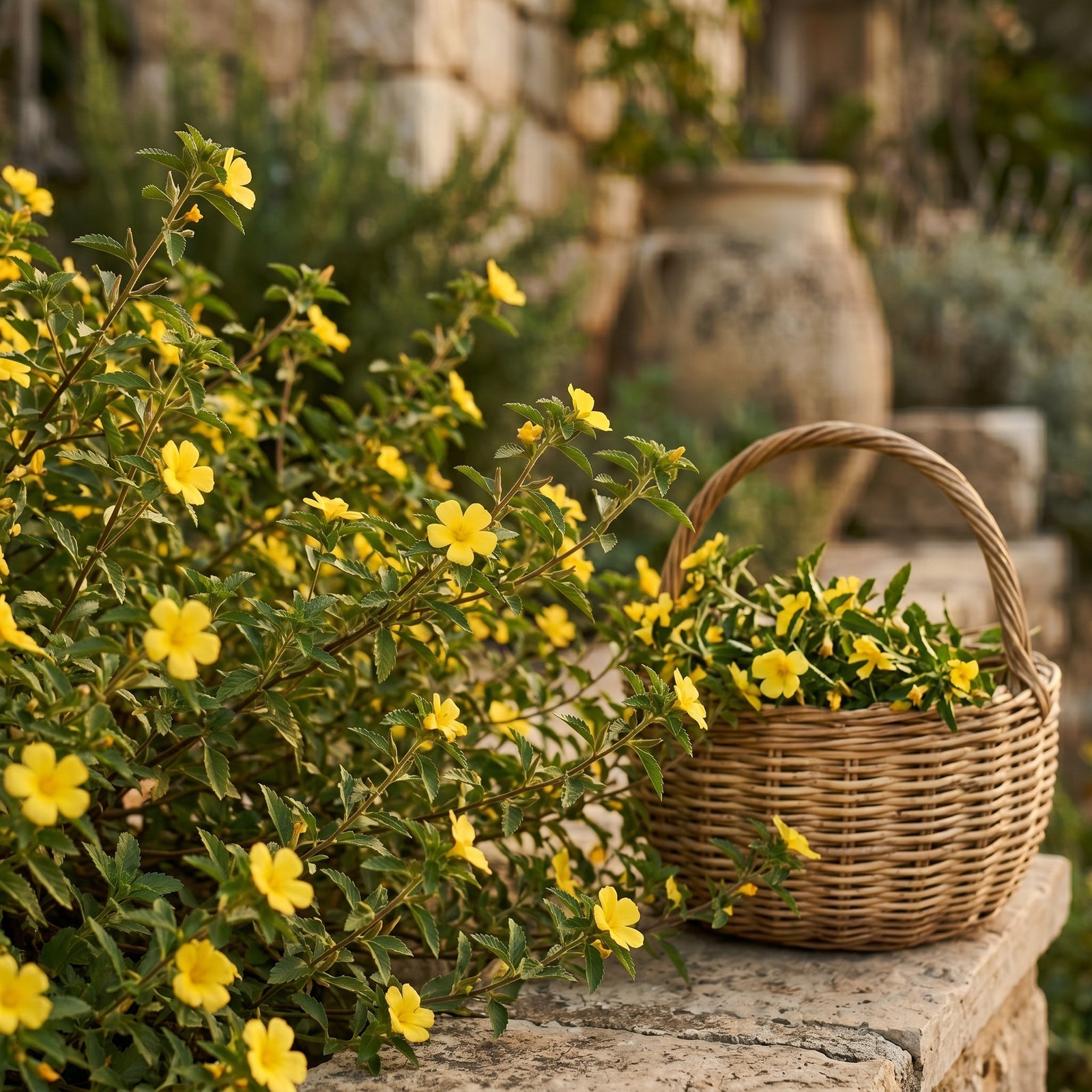
Damiana is a small shrub that grows wild across northern Mexico and the American Southwest, where curanderas have used it for centuries for the heart that has gone cool, emotionally and physically. The leaves carry a slightly bittersweet, aromatic warmth, and in the Mexican folk tradition, damiana is often called the plant for the heart that has forgotten its own vitality. The tradition I know it from uses damiana for the particular heaviness that comes from over-giving, when a woman has poured out so much that her own warmth has thinned. In this formula it brings warmth to a blend that could otherwise be too soft. It is the plant that says: the body is allowed to come back to life.
St. John's Wort
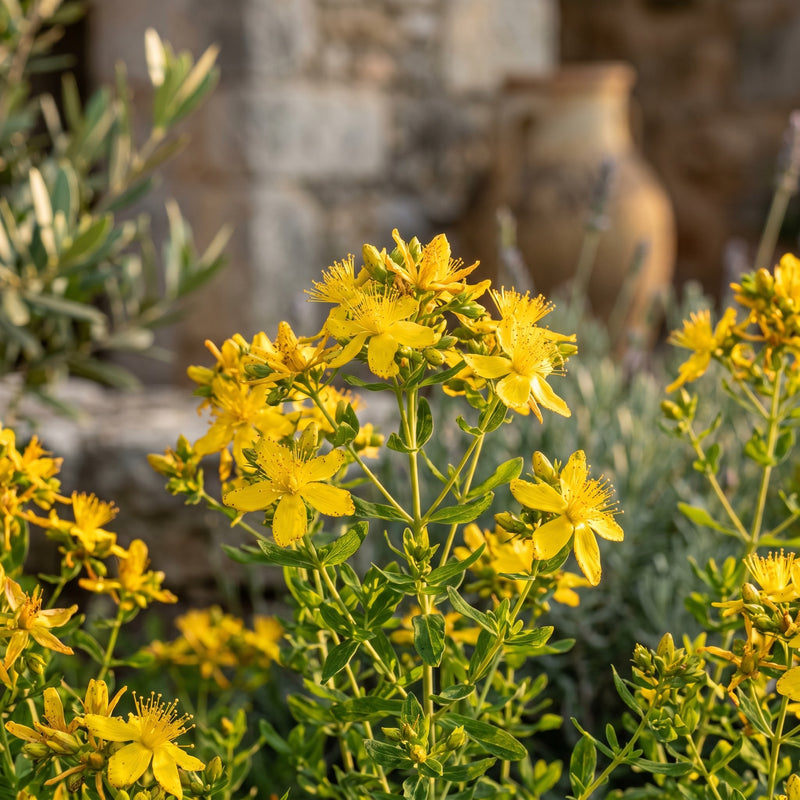
St. John's Wort grows along sunny roadsides and disturbed ground across Europe and now much of North America, blooming around the summer solstice when the year carries the most light. The tradition gathers it on or near St. John's Day in late June, the longest light of the year, and the flowers, crushed between fingers, release a deep red oil called hypericin that women have folded into oils and tinctures for centuries. It is the canonical Western herb for low mood and the kind of emotional heaviness that comes with low light, long winters, and the seasons of life when the spirit feels far from itself. In my practice, this is the plant I reach for first when a woman tells me she has gone heavy. It does not force a lift. It seems to teach the body how to recognize light again.
Mimosa Flower
Mimosa is the small tree with pink, feathery flowers that opens in the deep heat of summer, a tree the Chinese tradition calls He Huan, the tree of collective happiness. The flowers have been used in Traditional Chinese Medicine for centuries for the quality of emotional heaviness that sits over a season too long, when the heart needs a particular lightness it cannot generate on its own. In other Wild Woman formulas I use mimosa for the deep work of grief; here, the flower carries a different quality: a gentleness, an uplift, the small return of brightness after a heavy stretch. I gather mimosa flowers myself in late summer when they are most fragrant. The flower offers what the heart has trouble offering itself.
Lemon Balm
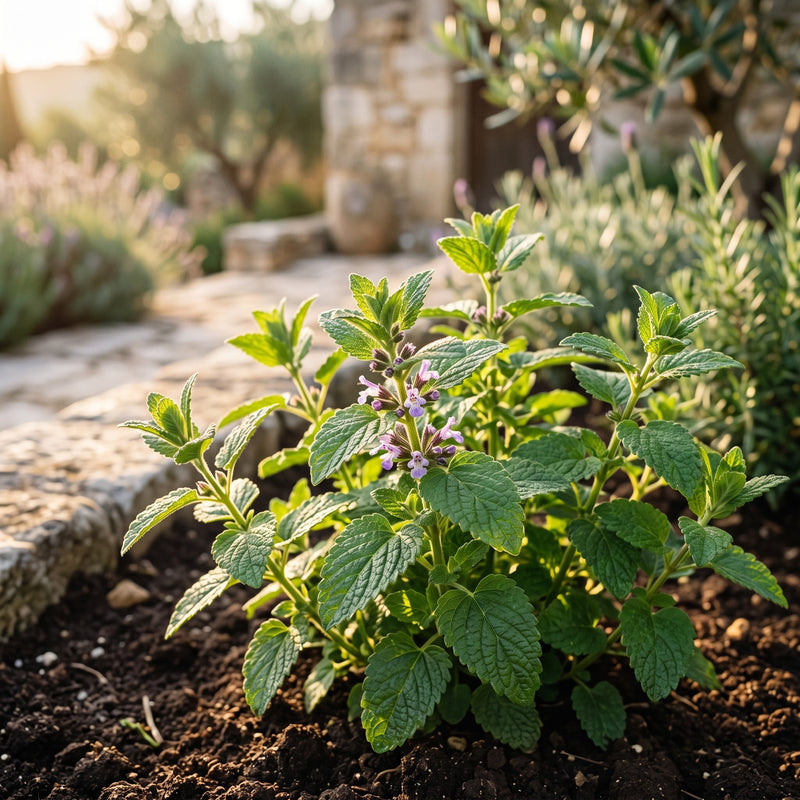
Lemon Balm grows quickly in gardens across the world and was first named Melissa, the Greek word for honey-bee, because the bees come to its bright lemon-scented leaves in great numbers. The European tradition has used lemon balm for over a thousand years for what the old herbalists called the heavy spirit. Avicenna wrote that lemon balm makes the heart merry; Paracelsus called it the elixir of life. In my practice I use lemon balm for low mood that has a particular bright edge to it: the heaviness that wants to lift but doesn't have the lift in itself yet. It is the gladdening herb, soft and easy, and it makes the rest of the formula taste like something a woman can return to.

Damiana
Damiana is a small shrub that grows wild across northern Mexico and the American Southwest, where curanderas have used it for centuries for the heart that has gone cool, emotionally and physically. The leaves carry a slightly bittersweet, aromatic warmth, and in the Mexican folk tradition, damiana is often called the plant for the heart that has forgotten its own vitality. The tradition I know it from uses damiana for the particular heaviness that comes from over-giving, when a woman has poured out so much that her own warmth has thinned. In this formula it brings warmth to a blend that could otherwise be too soft. It is the plant that says: the body is allowed to come back to life.

St. John's Wort
St. John's Wort grows along sunny roadsides and disturbed ground across Europe and now much of North America, blooming around the summer solstice when the year carries the most light. The tradition gathers it on or near St. John's Day in late June, the longest light of the year, and the flowers, crushed between fingers, release a deep red oil called hypericin that women have folded into oils and tinctures for centuries. It is the canonical Western herb for low mood and the kind of emotional heaviness that comes with low light, long winters, and the seasons of life when the spirit feels far from itself. In my practice, this is the plant I reach for first when a woman tells me she has gone heavy. It does not force a lift. It seems to teach the body how to recognize light again.

Mimosa Flower
Mimosa is the small tree with pink, feathery flowers that opens in the deep heat of summer, a tree the Chinese tradition calls He Huan, the tree of collective happiness. The flowers have been used in Traditional Chinese Medicine for centuries for the quality of emotional heaviness that sits over a season too long, when the heart needs a particular lightness it cannot generate on its own. In other Wild Woman formulas I use mimosa for the deep work of grief; here, the flower carries a different quality: a gentleness, an uplift, the small return of brightness after a heavy stretch. I gather mimosa flowers myself in late summer when they are most fragrant. The flower offers what the heart has trouble offering itself.

Lemon Balm
Lemon Balm grows quickly in gardens across the world and was first named Melissa, the Greek word for honey-bee, because the bees come to its bright lemon-scented leaves in great numbers. The European tradition has used lemon balm for over a thousand years for what the old herbalists called the heavy spirit. Avicenna wrote that lemon balm makes the heart merry; Paracelsus called it the elixir of life. In my practice I use lemon balm for low mood that has a particular bright edge to it: the heaviness that wants to lift but doesn't have the lift in itself yet. It is the gladdening herb, soft and easy, and it makes the rest of the formula taste like something a woman can return to.
The Ritual
Practices that support the plants

Honor Yourself
Metta Bhavana
Sit somewhere quiet and speak four phrases inwardly, the way the Buddhist tradition has practiced for two and a half thousand years. This is Metta Bhavana, the loving-kindness meditation. May I be happy. May I be well. May I be safe. May I be at peace. Begin with yourself, which is where it is hardest, and let each phrase land before moving to the next.

Return to the body
Play Without Purpose
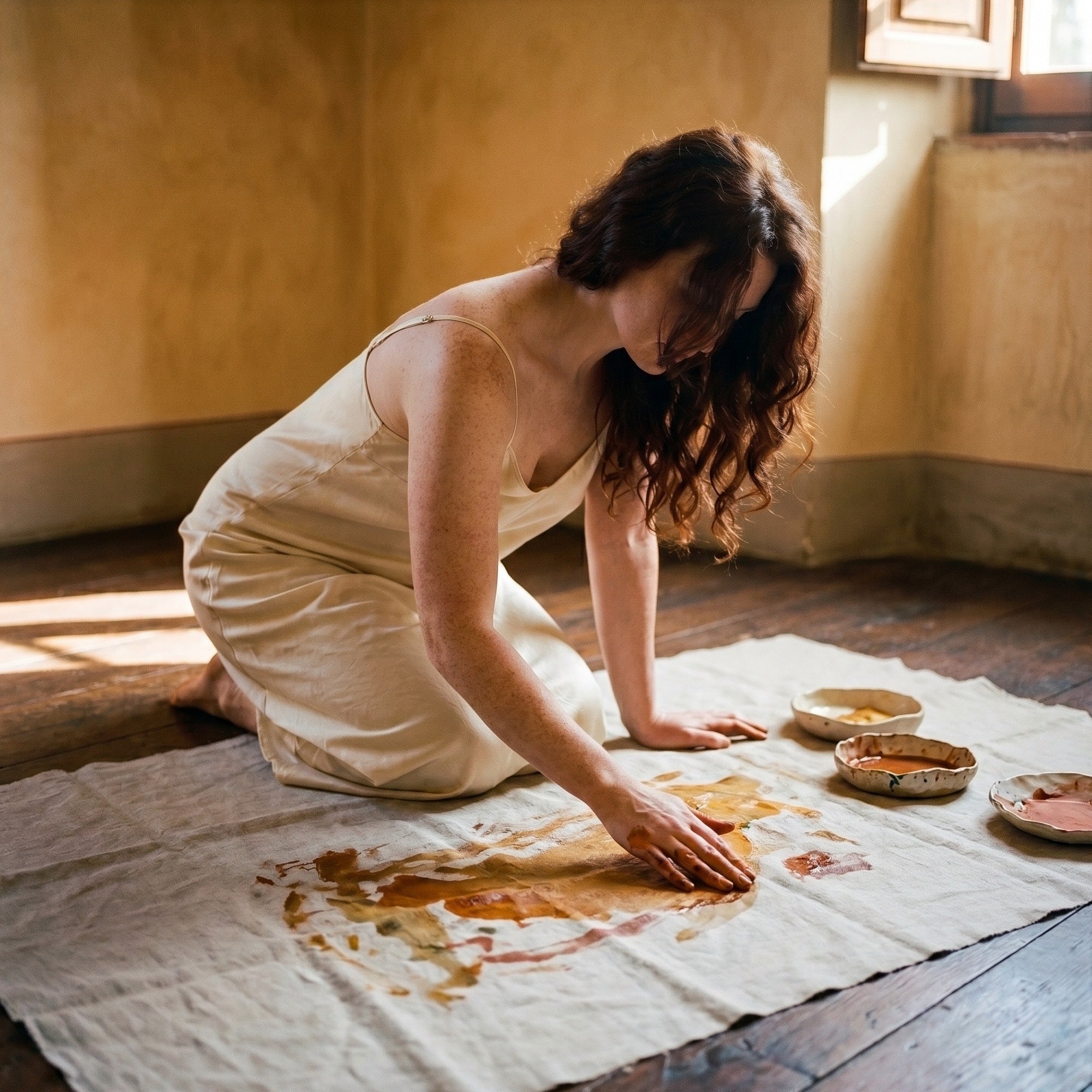
D.W. Winnicott established that the capacity for genuine joy is inseparable from the capacity to play. To enter a space where the outcome doesn't matter and engagement itself is sufficient. A specific practice: set a timer for fifteen minutes. Play with something like clay, water, color, paper, scissors, earth, with no product, no output, and no purpose. The play produces nothing except the experience of playing, which is precisely what the body needs to remember joy is possible.

Remember the earth
Dawn Chorus
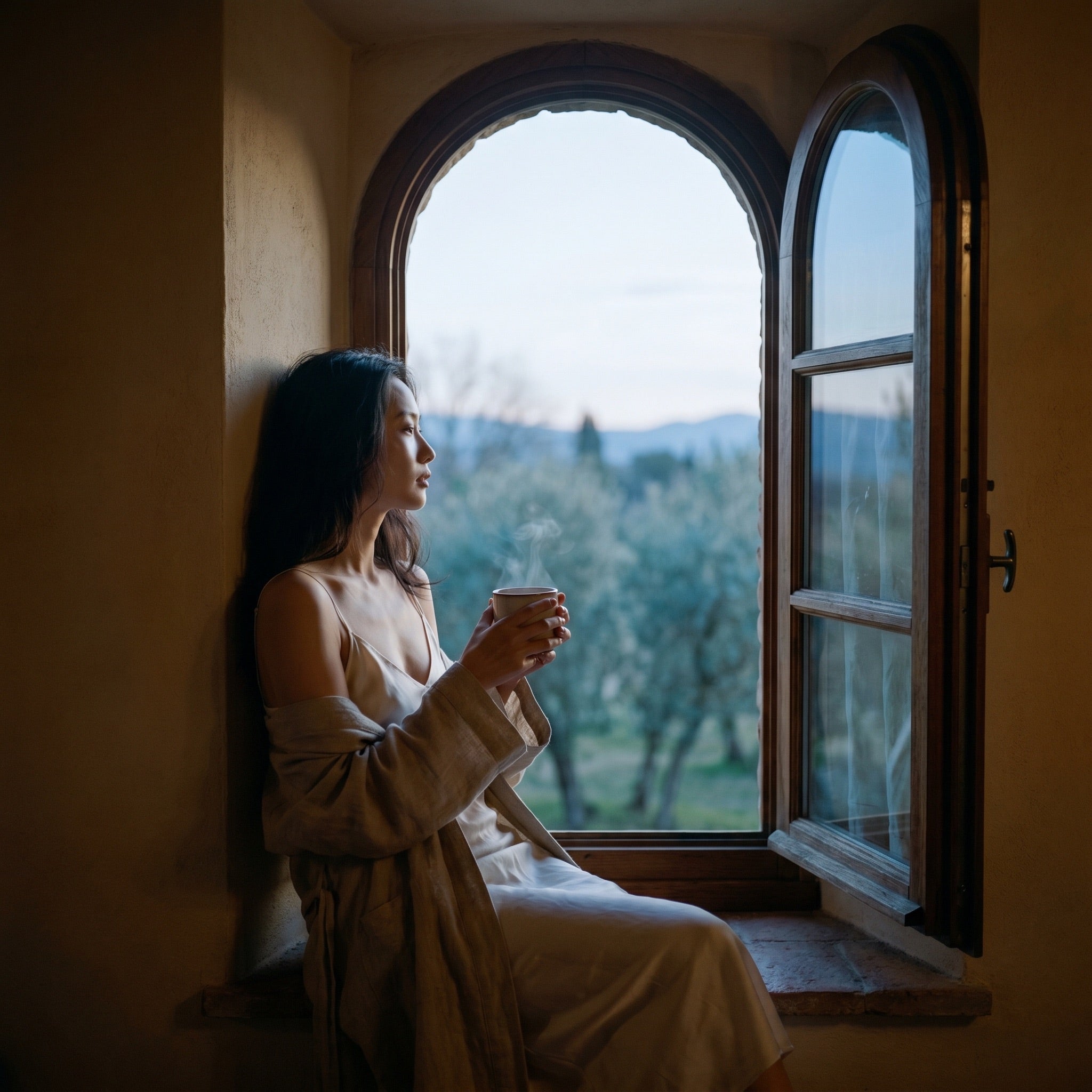
In the naturalist tradition, the dawn chorus practice is the act of going outside in the hour around first light, lying in the grass or sitting near an open window, and receiving the explosion of birdsong that happens just before the sun crests. The deeper work underneath the listening is older than the naturalists: aligning the body with the rising and setting of the sun, the rhythm it was made for. Joy is not always constructed from within. Sometimes it is simply received from what is already happening outside.

Jasmine's Note
I didn't fully understand what I'd inherited until my own body started asking questions that medicine couldn't answer. Hormonal chaos, long seasons of depression, the particular exhaustion of feeling disconnected from yourself. I remembered the whisperings. I turned back toward the plants. Everything in this apothecary came from that turning — things I made for myself first, and then for the women in my life who needed the same. I offer them to you the way my grandmother offered what she knew: as a hand extended, as something real.
-Jasmine

Rooted in Lineage. Made with Reverence.
This is medicine in the oldest sense of the word: plant wisdom, carefully tended, passed forward with care.
Frequently Asked Questions
What is St. John's Wort good for?
St. John's Wort (Hypericum perforatum) is the canonical Western herb for low mood and the kind of emotional heaviness that comes with low light, long winters, and the seasons of life when the spirit feels far from itself. This is the plant at the heart of our herbal tincture for mood support. In the European herbal tradition it has been gathered on the longest day of the year for centuries, tinctured into a deep red oil and held as the plant of solar return. In my practice as a clinical herbalist, St. John's Wort is the plant I reach for first when a woman tells me she has gone heavy. It does not force a lift. It supports the body's own capacity to recognize light again over weeks of consistent use.
How is a herbal tincture for mood support different from an antidepressant?
A herbal tincture for mood support and an antidepressant medication serve different purposes and work through different mechanisms. They are not substitutes for each other, and they are not in opposition. A prescription antidepressant is a pharmaceutical intervention for a clinically diagnosed depressive condition, and decisions about that kind of care belong with a qualified healthcare provider. An herbal tincture sits in a different tradition: plants like St. John's Wort, Mimosa, and Damiana have been used for centuries in folk and clinical herbalism to support the body's own capacity for emotional balance during heavy seasons, low light, and times of mental fatigue. Some women take herbal support alongside conventional care; others use it as a daily mood ritual outside of any medical context. What is right for any individual woman depends on her circumstances and the guidance of her healthcare provider.
Is St. John's Wort safe to take with medication?
St. John's Wort (Hypericum perforatum) is one of the most well-studied herbs in Western herbalism, and that body of research has also documented meaningful interactions with several classes of medication. The most important ones to know about are SSRIs and other antidepressants, hormonal birth control, blood thinners such as warfarin, and certain immunosuppressants and chemotherapy drugs. St. John's Wort can affect the way the liver processes these medications, which can change how strongly they work. We always recommend checking with your healthcare provider before beginning any new herbal practice, especially if you are taking medication of any kind. The honest, clinical-herbalist answer is that this is not a casual herb to take alongside a prescription. It is a powerful plant with a long tradition, and it deserves to be approached with care.
What is damiana herb used for?
Damiana (Turnera diffusa) is a small aromatic shrub from northern Mexico and the American Southwest, where it has been used in Mexican folk herbalism for centuries for warmth, vitality, and the kind of emotional uplift the body needs when it has gone cool. The curandera tradition uses damiana for the woman who has poured out so much that her own warmth has thinned, and for the heart that has forgotten its own vitality. In Sunny Spirit, damiana is the plant that brings warmth to a formula that could otherwise be too soft. It pairs with St. John's Wort and Lemon Balm to create a layered approach to mood support that is gentle without being passive. The plant has a bittersweet, slightly aromatic taste that you can recognize in the finished tincture.
How long does it take for St. John's Wort to work?
St. John's Wort works gradually rather than immediately, which is one of the most important things to understand before beginning a daily practice with it. In the European herbal tradition and in modern clinical herbalism, the plant is generally taken consistently for four to six weeks before its full effect on mood is felt, and many women find a deeper benefit after eight to twelve weeks of daily use. This is not a same-day herb. The body is not being forced; the plants are slowly building a foundation underneath. We recommend taking Sunny Spirit twice daily, with consistency, and giving it the time the tradition asks for.
What herbs help with seasonal low mood?
The herbs traditionally used for seasonal low mood, the kind of heaviness that comes with shorter days, less light, and the slow part of the year, are gathered in our herbal tincture for mood support. St. John's Wort (Hypericum perforatum) is the primary herb in this tradition, used in Europe for centuries specifically for the heaviness that arrives with low light. Lemon Balm (Melissa officinalis), called the gladdening herb by the old Western herbalists, lifts the quality of the mood gently. Mimosa flower (Albizia julibrissin), known in Traditional Chinese Medicine as He Huan, the collective happiness flower, supports emotional lightness during heavy stretches. Damiana (Turnera diffusa) brings warmth to the body when the season has gone cool. Together, this is the constellation of herbs women have reached for across centuries when the spirit asks for help returning to its own light.
Why eight herbs in one formula instead of just St. John's Wort?
St. John's Wort alone is what most commercial mood-support products offer, and it is a real plant with a long tradition. The clinical herbalist's view is that the formula matters as much as the lead botanical. In Sunny Spirit, St. John's Wort is paired with Lemon Balm and Tulsi to deepen the mood-support layer, with Milky Oat and Skullcap to nourish the depleted nervous system that often sits beneath low mood, with Mimosa for emotional lightness, with Rose for heart-centered tenderness, and with Damiana for warmth and vitality. The result is a formula that addresses the whole landscape of emotional heaviness rather than only one piece of it. A single-herb extract is a tool. A thoughtful formula is a practice.
A Note on Plant Medicine
Plants are powerful — and like any potent thing, they deserve to be used with care and knowledge. These formulas are crafted with intention, but they are not a substitute for medical guidance. Before beginning a new herbal practice, we encourage you to speak with your healthcare provider, especially if you are pregnant, nursing, trying to conceive, managing a health condition, or taking prescription medication. Wild Woman products are not intended to diagnose, treat, cure, or prevent any disease.
Stay close to the apothecary
THE LETTER
Herbal rituals for every season of womanhood
Sent four times a year, when the season turns. Plant wisdom, slow writing, and occasional notes from the bench. No promotions, no urgency.
SMALL BATCH
Made by hand in our Los Angeles apothecary
WILDCRAFTED & ORGANIC
Herbs gathered seasonally or grown by farmers we trust
CRAFTED SLOWLY
Each formula prepared without rushing for scale
ROOTED IN LINEAGE
In the tradition of the women who have come before us