Skip to content

Cart

Your cart is empty

Warming Digestif Herbal Tincture

warming digestive support after meals

Sale price$30.00

Some meals ask for a slow ending, and this herbal digestif tincture was made to give them one. Ginger, cinnamon, cardamom, and fennel, the warming spices women have offered after meals across centuries of tables, gathered into a single amber dropper. Take it as the pause between the meal and the rest of your evening.

spiced · warming · citrus-edged · evening · settling

Warming Digestif Herbal Tincture
Warming Digestif Herbal Tincture Sale price$30.00

PRODUCT DETAILS

The Plants

In France a digestif arrives after the meal, in Italy an amaro, and at tables across India a small bowl of fennel seeds waits by the door. Different cultures, same understanding: the body digests better when it is given warmth, aroma, and a moment of bitterness after eating. This formula returns to the herbs those traditions were always built on.

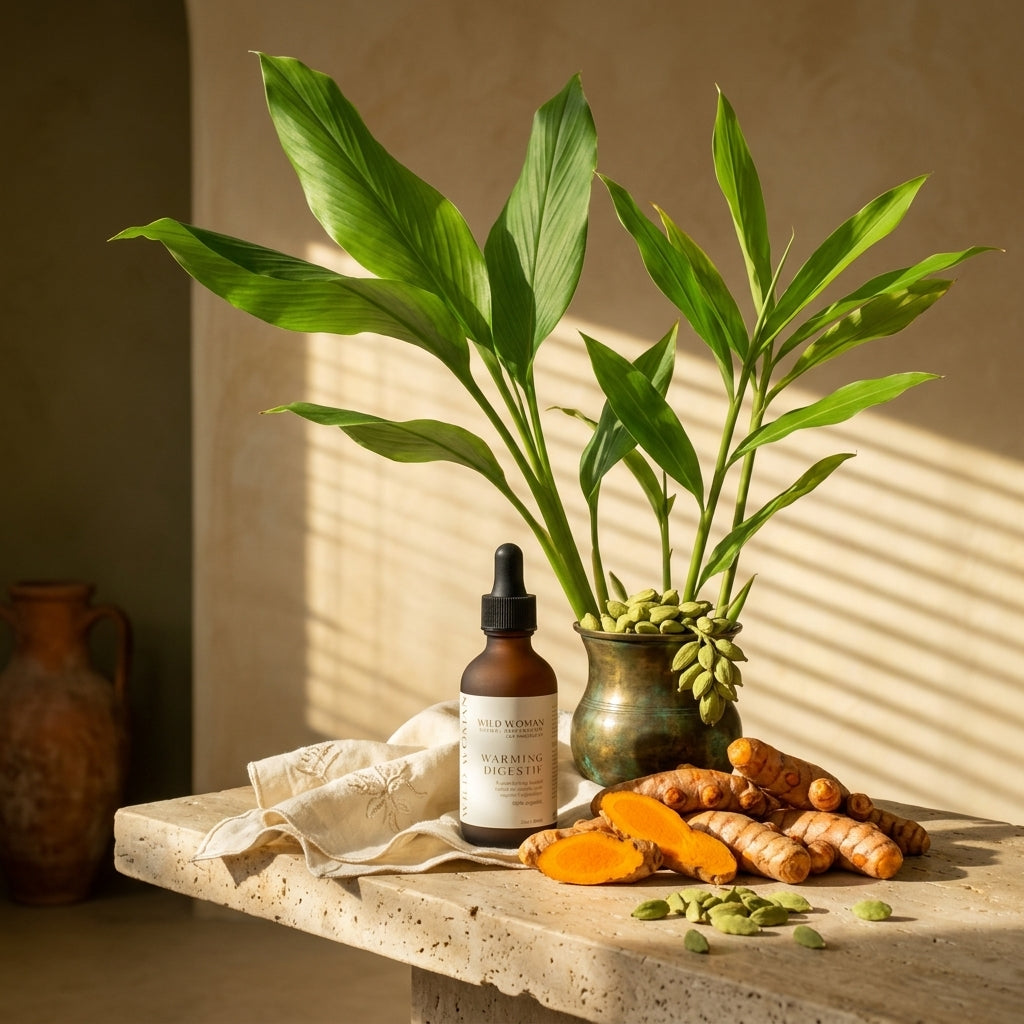
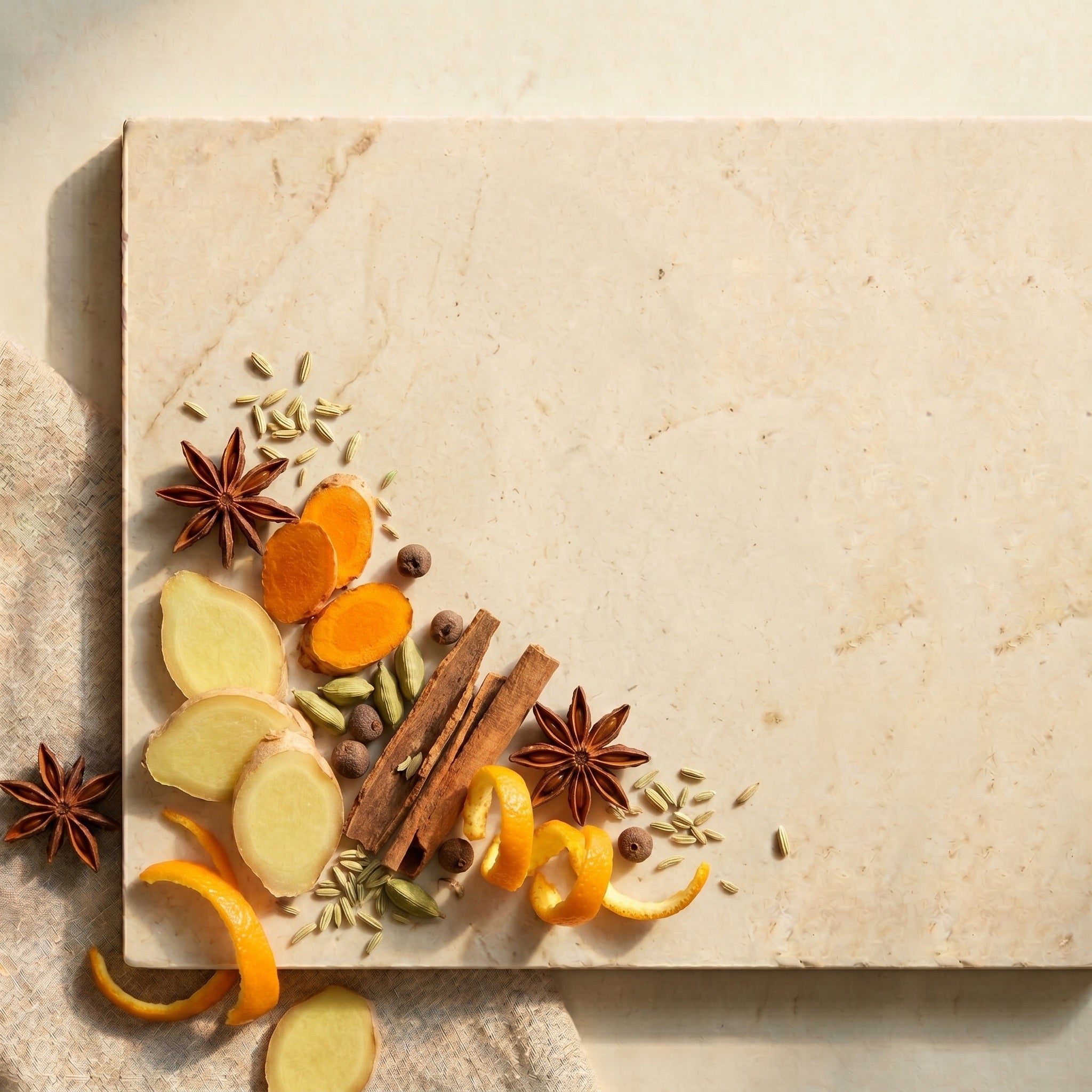
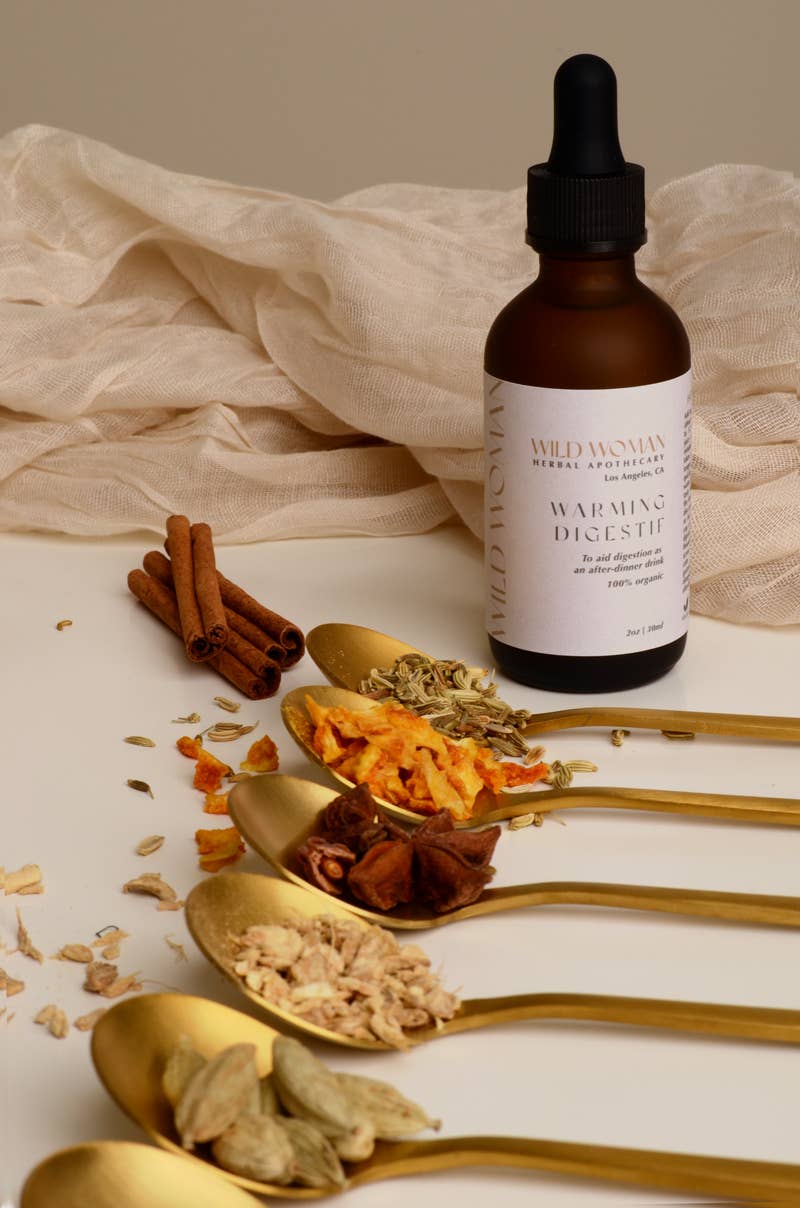
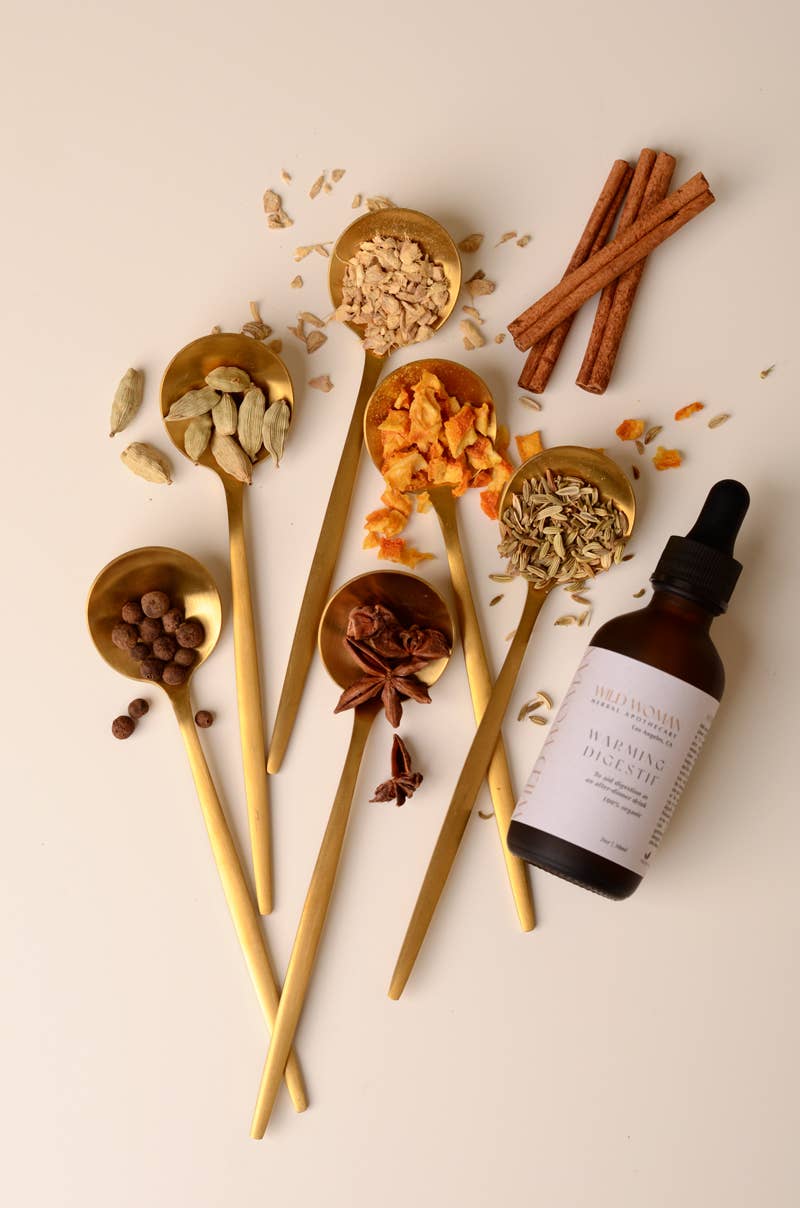
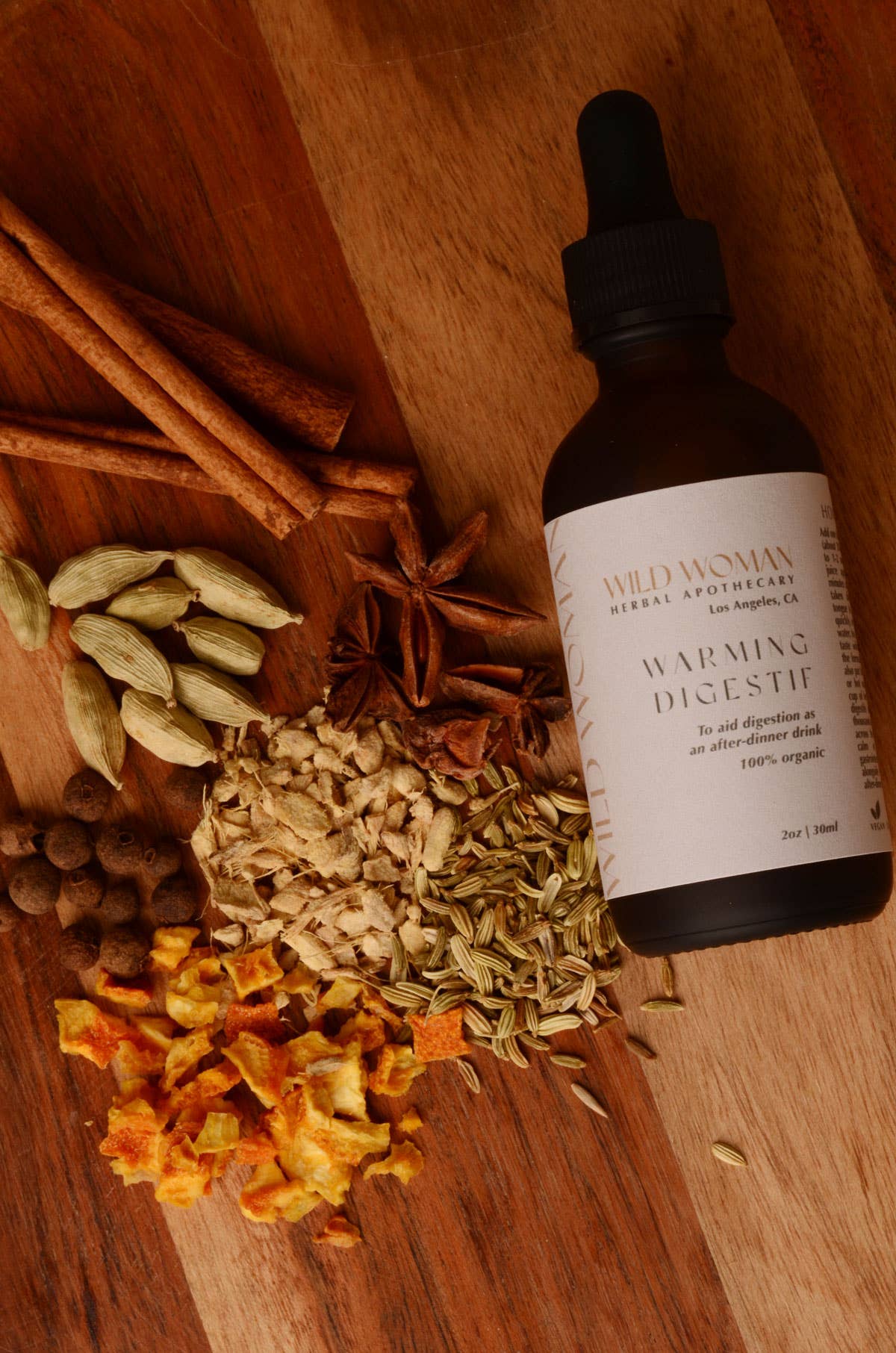
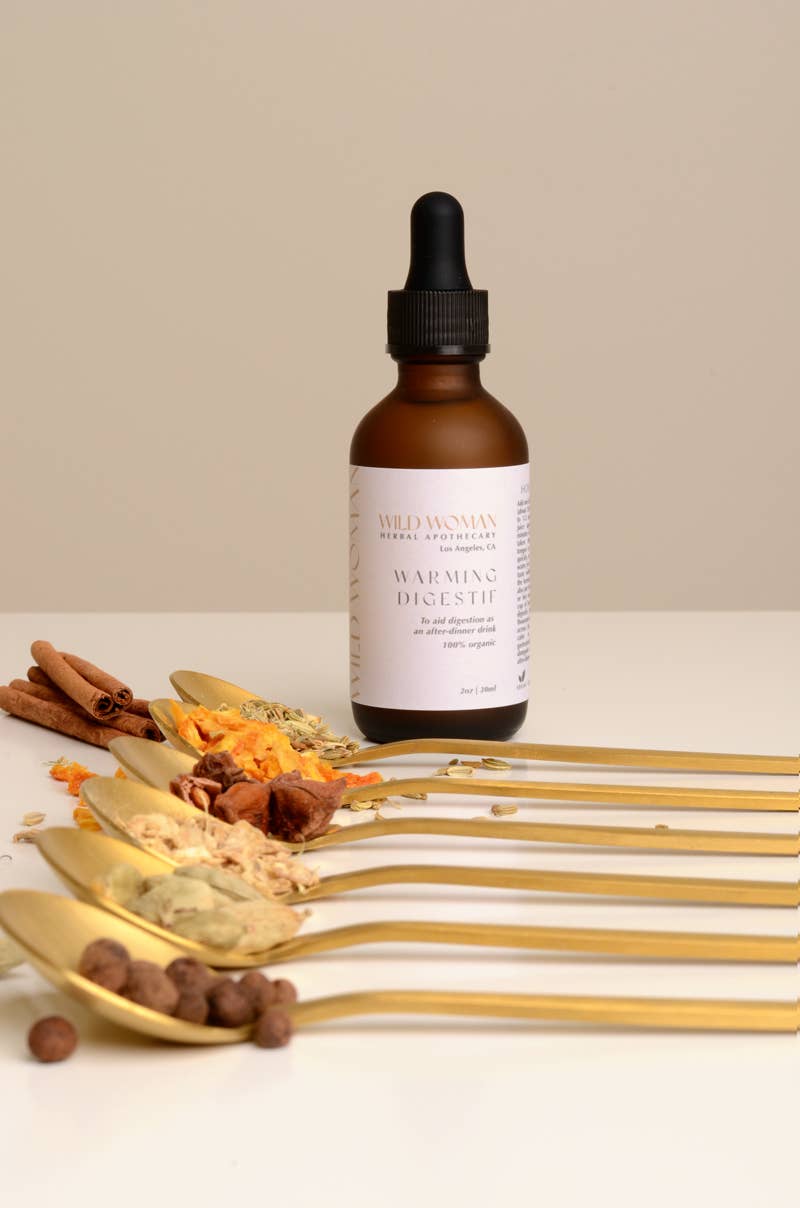
Ginger leads, the way it has led digestive formulas for thousands of years, bringing the warmth that helps the body process what it has received. Around it sit the great aromatic spices of the after-dinner tradition — cinnamon, cardamom, clove, and allspice — each one carrying its own heat and character. Fennel and star anise are the carminatives, the herbs traditionally used to ease the fullness and occasional bloating that follow a rich meal.

Then comes the part most modern formulas forget: bitterness. Turmeric and orange peel add the gentle bitter depth that the amaro tradition understood, the flavor that signals the body to wake up its own digestive intelligence. Nothing here stimulates aggressively. The formula works the way the tradition always has, through warmth, aroma, and gentle activation, bold on the tongue and balanced in the body.

Tasting Notes

Tasting Notes

Warming · spiced · bright with orange · a gently bitter finish

Ritual Moment

Ritual Moment

After the meal

Pairs With

Pairs With

Lingering conversation · candlelight · an evening walk

Energetics

Energetics

Warming · settling

Tasting Notes

Tasting Notes

Warming · spiced · bright with orange · a gently bitter finish

Ritual Moment

Ritual Moment

After the meal

Pairs With

Pairs With

Lingering conversation · candlelight · an evening walk

Energetics

Energetics

Warming · settling

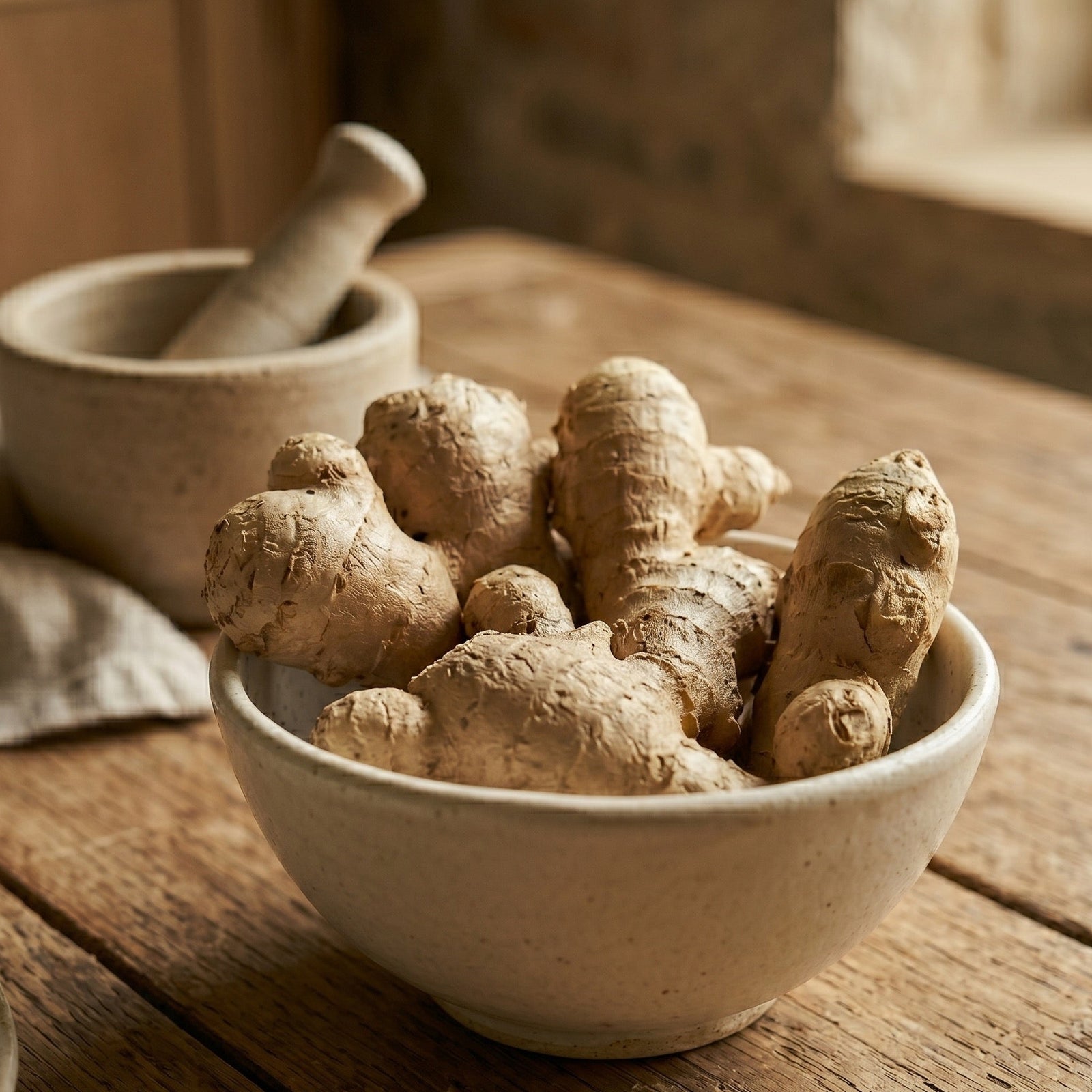
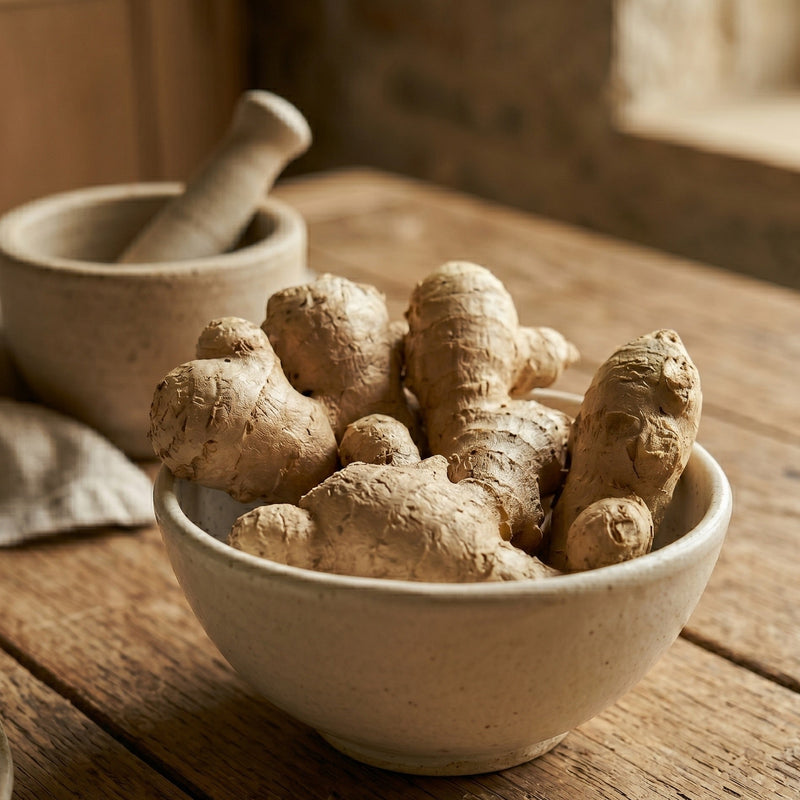
Ginger

Ginger grows low and quiet in tropical soil, all of its fire hidden underground in the rhizome until you break it open. In Ayurveda it is called the universal medicine, and after meals it has one particular job: to tend what the tradition names agni, the digestive fire that turns food into nourishment. I reach for ginger when a meal sits heavy, when the body feels like it has received more than it knows what to do with. It does not push. It warms, and the warmth is what gets things moving again.

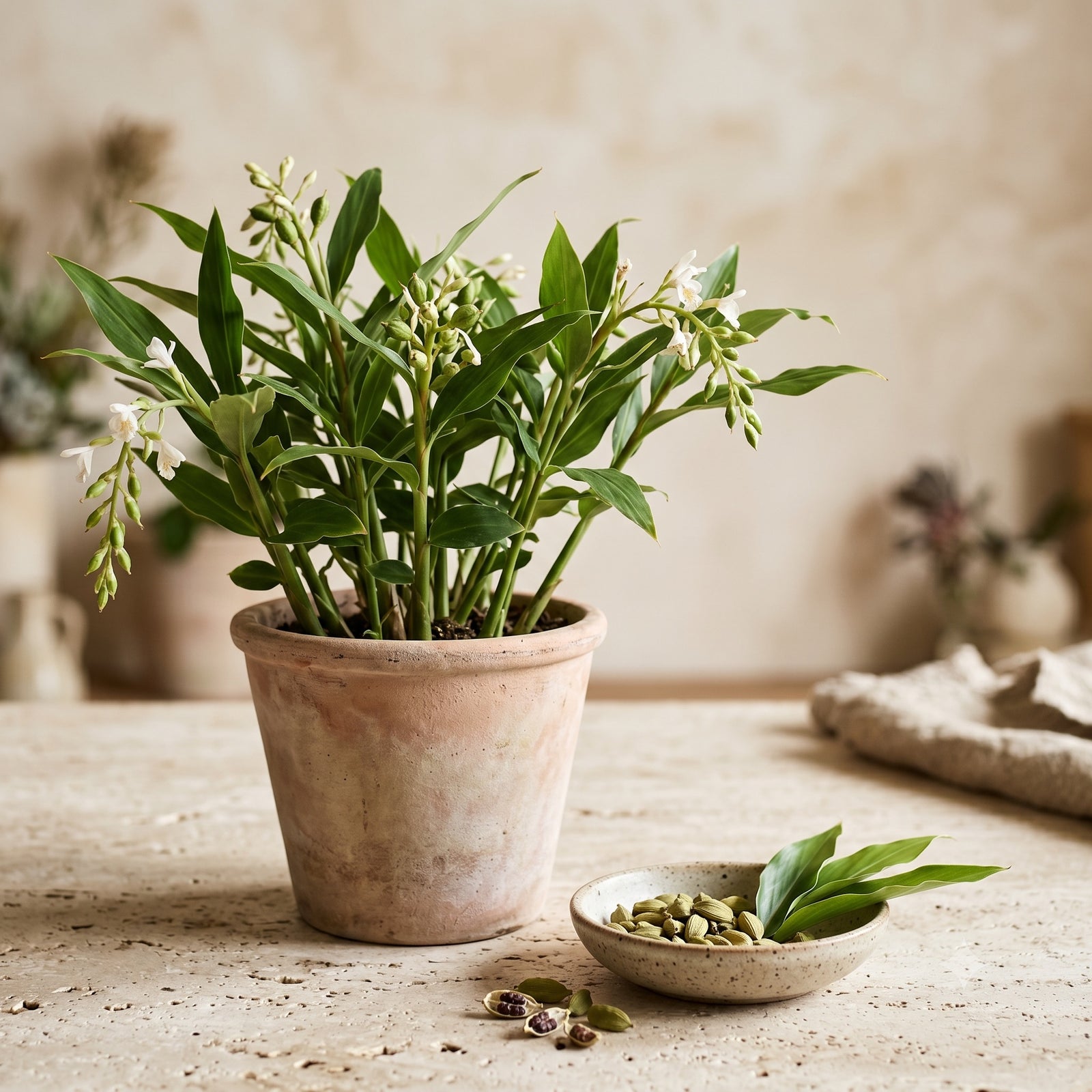
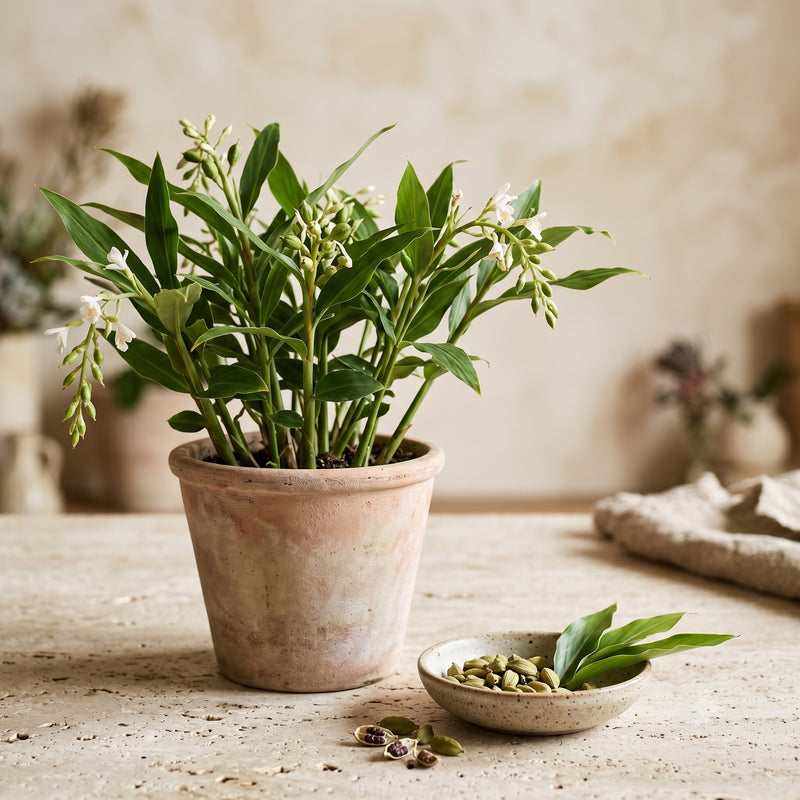
Cardamom

Cardamom is shade-grown in the forests of India's Western Ghats, picked pod by pod by hand because no machine has ever managed it gently enough. Across South Asia and the Middle East, the seeds are offered after meals the way other cultures offer a mint, chewed slowly to sweeten the breath and settle the stomach. It is one of the oldest after-dinner traditions on earth. In this formula cardamom brings that bright, almost floral lift that keeps all the deeper spices from becoming heavy. It is the light in the blend.

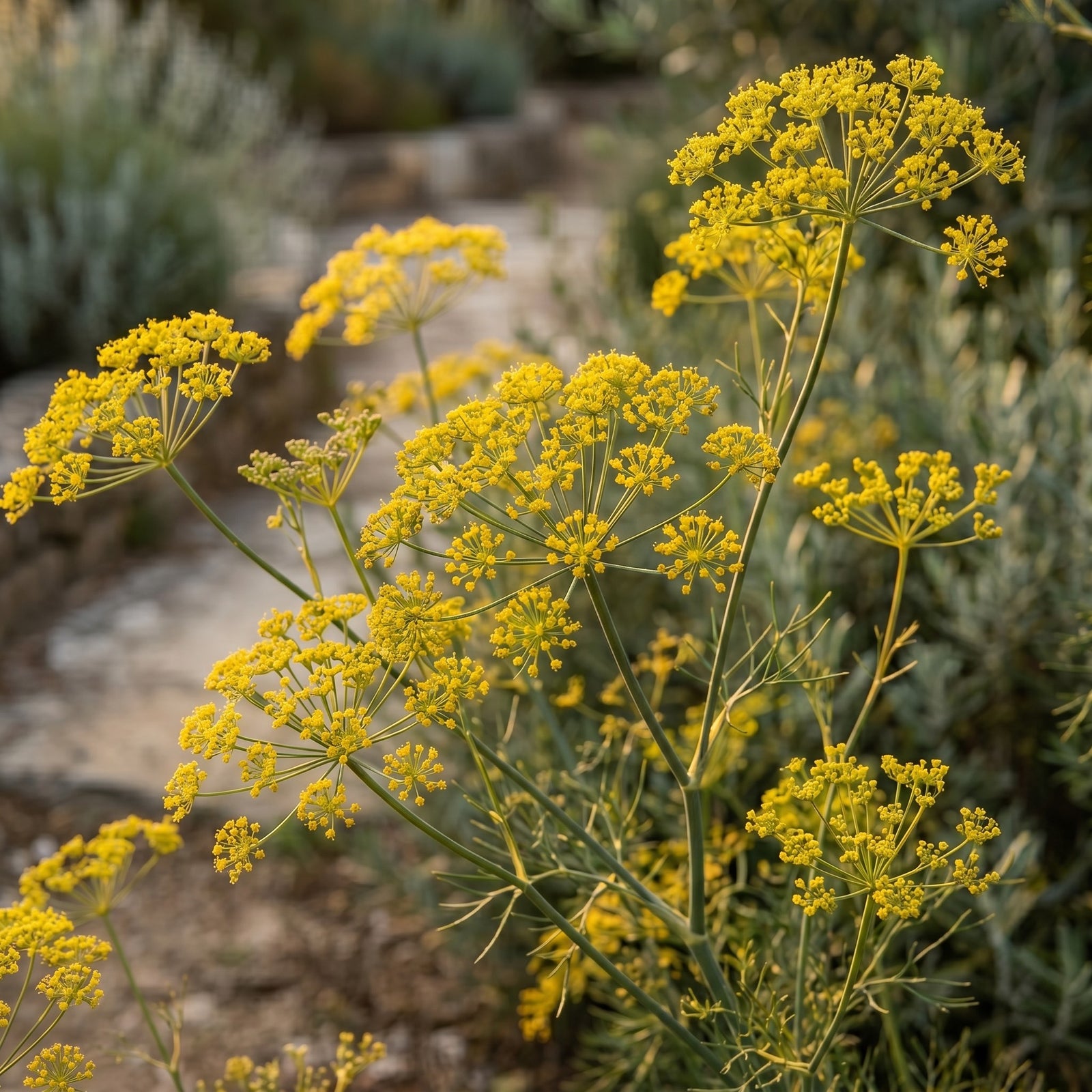
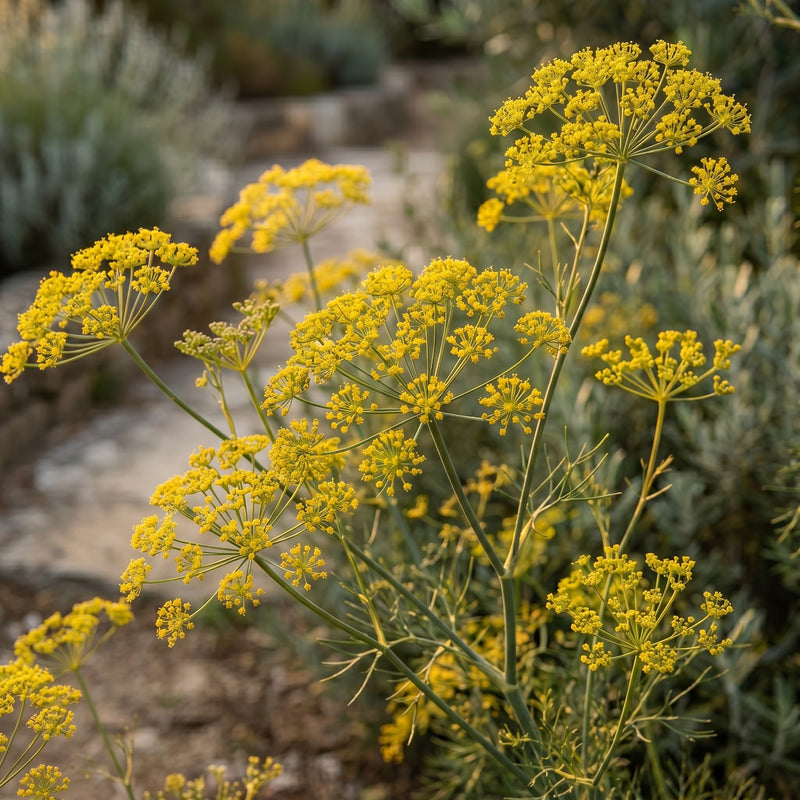
Fennel

Fennel grows wild along Mediterranean roadsides and all through the hills of Southern California, tall and feathery and smelling faintly of anise when you brush past it. The seeds are the classic carminative of Western and Indian herbalism, which is the old word for herbs traditionally used to ease gas, fullness, and occasional bloating. If you have ever taken a spoonful of seeds from the bowl by the door of an Indian restaurant, you have practiced this tradition without knowing its name. Fennel is here for exactly that moment: the one right after the meal, when the body asks for a little help letting go.

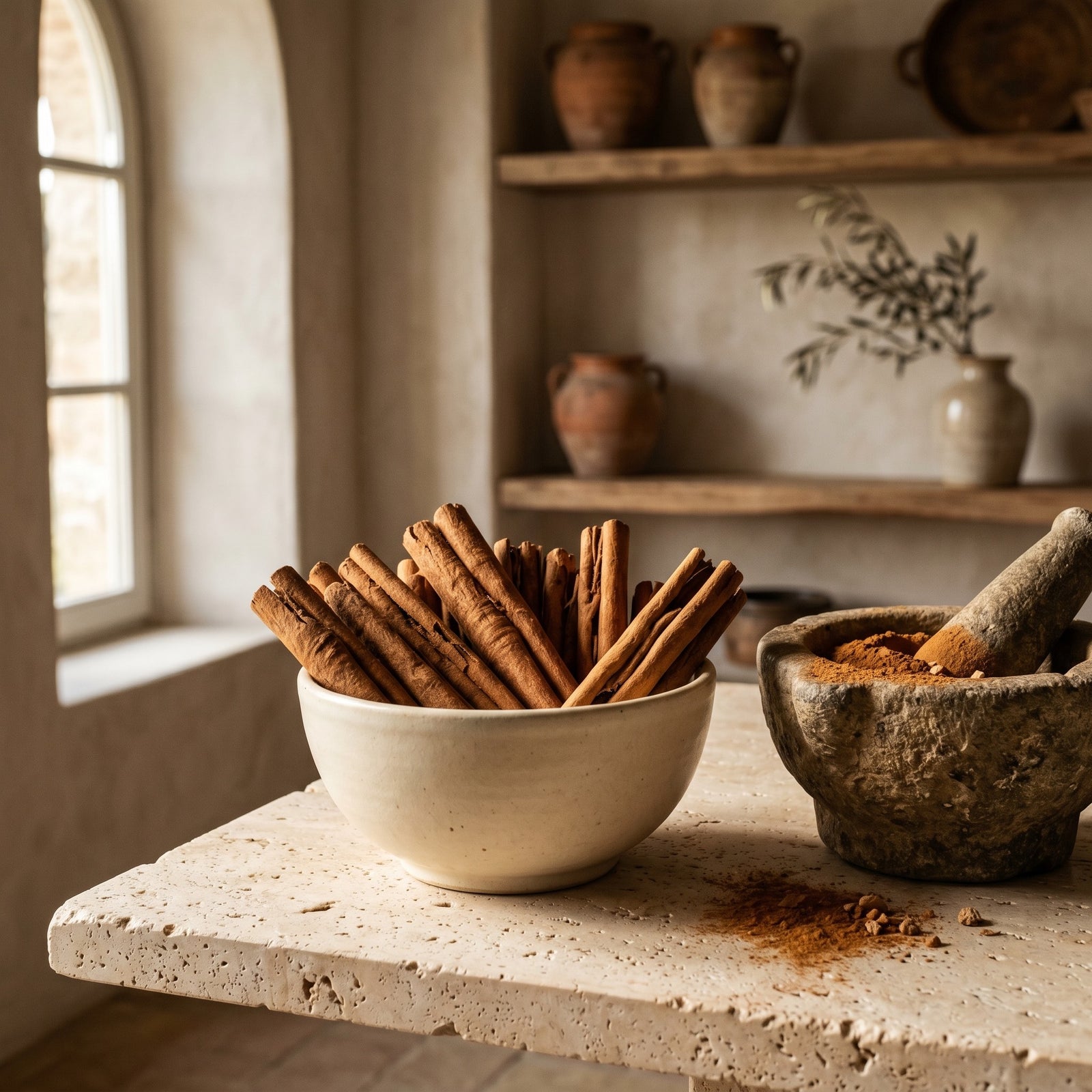
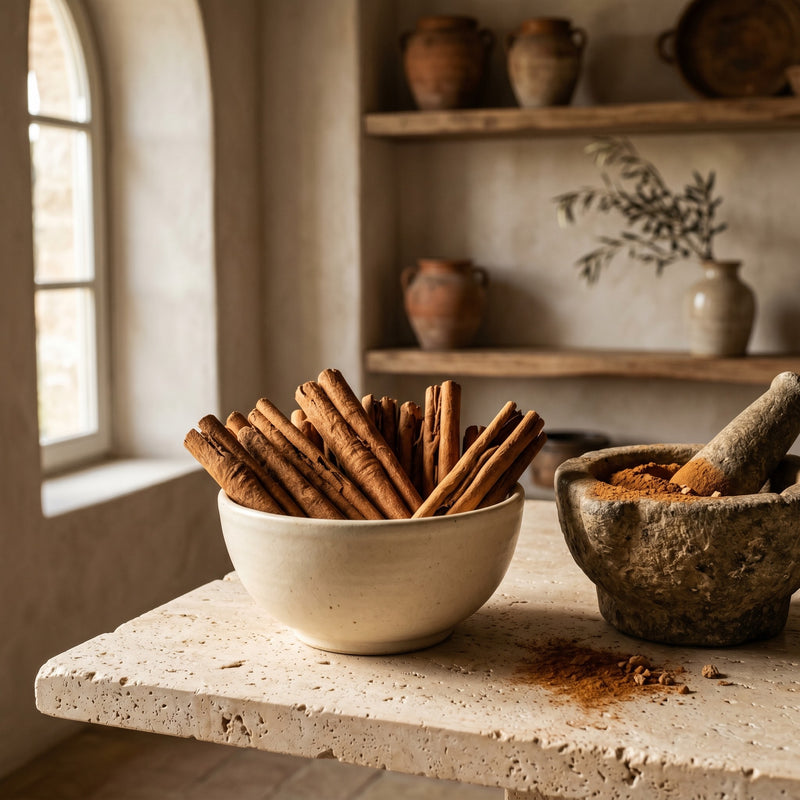
Cinnamon

Most of the cinnamon in the world is cassia, a harder, hotter bark, but this is Cinnamomum verum, true cinnamon, peeled by hand in thin layers from the inner bark of a Sri Lankan tree and rolled into its delicate curl as it dries. Long before it ever flavored a dessert, cinnamon was digestive medicine, carried along the spice routes and taken after meals across Ayurvedic, Middle Eastern, and European traditions to bring warmth to a heavy belly. It is the spice that teaches you the difference between heat and warmth: cassia burns, but true cinnamon glows. In this formula it works alongside the ginger, deepening the warmth that helps the body settle into the work of digesting, sweet on the tongue without a grain of sugar.

Ginger

Ginger grows low and quiet in tropical soil, all of its fire hidden underground in the rhizome until you break it open. In Ayurveda it is called the universal medicine, and after meals it has one particular job: to tend what the tradition names agni, the digestive fire that turns food into nourishment. I reach for ginger when a meal sits heavy, when the body feels like it has received more than it knows what to do with. It does not push. It warms, and the warmth is what gets things moving again.

Cardamom

Cardamom is shade-grown in the forests of India's Western Ghats, picked pod by pod by hand because no machine has ever managed it gently enough. Across South Asia and the Middle East, the seeds are offered after meals the way other cultures offer a mint, chewed slowly to sweeten the breath and settle the stomach. It is one of the oldest after-dinner traditions on earth. In this formula cardamom brings that bright, almost floral lift that keeps all the deeper spices from becoming heavy. It is the light in the blend.

Fennel

Fennel grows wild along Mediterranean roadsides and all through the hills of Southern California, tall and feathery and smelling faintly of anise when you brush past it. The seeds are the classic carminative of Western and Indian herbalism, which is the old word for herbs traditionally used to ease gas, fullness, and occasional bloating. If you have ever taken a spoonful of seeds from the bowl by the door of an Indian restaurant, you have practiced this tradition without knowing its name. Fennel is here for exactly that moment: the one right after the meal, when the body asks for a little help letting go.

Cinnamon

Most of the cinnamon in the world is cassia, a harder, hotter bark, but this is Cinnamomum verum, true cinnamon, peeled by hand in thin layers from the inner bark of a Sri Lankan tree and rolled into its delicate curl as it dries. Long before it ever flavored a dessert, cinnamon was digestive medicine, carried along the spice routes and taken after meals across Ayurvedic, Middle Eastern, and European traditions to bring warmth to a heavy belly. It is the spice that teaches you the difference between heat and warmth: cassia burns, but true cinnamon glows. In this formula it works alongside the ginger, deepening the warmth that helps the body settle into the work of digesting, sweet on the tongue without a grain of sugar.

Jasmine's Note

My grandmother didn't call it herbalism. She just knew things — which plants to reach for, which roots to dry, what the earth offered when the body asked. She learned it from her father, who kept a garden in Biloxi and understood plants the way some people understand people. That knowledge passed to her, and quietly, to me.

I didn't fully understand what I'd inherited until my own body started asking questions that medicine couldn't answer. Hormonal chaos, long seasons of depression, the particular exhaustion of feeling disconnected from yourself. I remembered the whisperings. I turned back toward the plants. Everything in this apothecary came from that turning — things I made for myself first, and then for the women in my life who needed the same. I offer them to you the way my grandmother offered what she knew: as a hand extended, as something real.

-Jasmine

Rooted in Lineage. Made with Reverence.

Every formula in this apothecary is made in small batches in Los Angeles, using herbs that are organically grown or seasonally wildcrafted whenever possible. We work with plants at the peak of their potency — harvested in the right season, prepared slowly, and handled with the same reverence we hope you bring to using them.

This is medicine in the oldest sense of the word: plant wisdom, carefully tended, passed forward with care.

Frequently Asked Questions

A Note on Plant Medicine

Plants are powerful — and like any potent thing, they deserve to be used with care and knowledge. These formulas are crafted with intention, but they are not a substitute for medical guidance. Before beginning a new herbal practice, we encourage you to speak with your healthcare provider, especially if you are pregnant, nursing, trying to conceive, managing a health condition, or taking prescription medication. Wild Woman products are not intended to diagnose, treat, cure, or prevent any disease.