





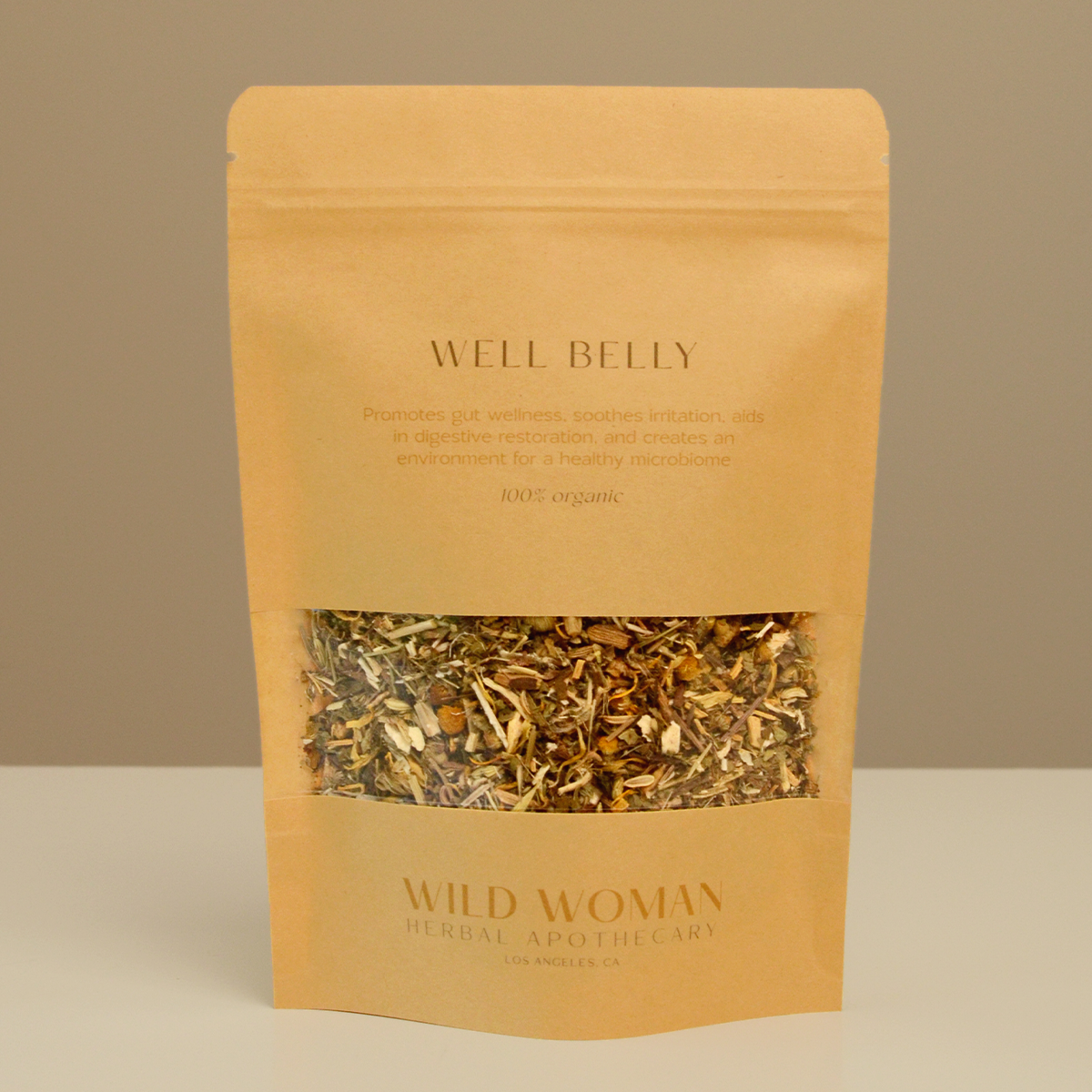


Well Belly Tea
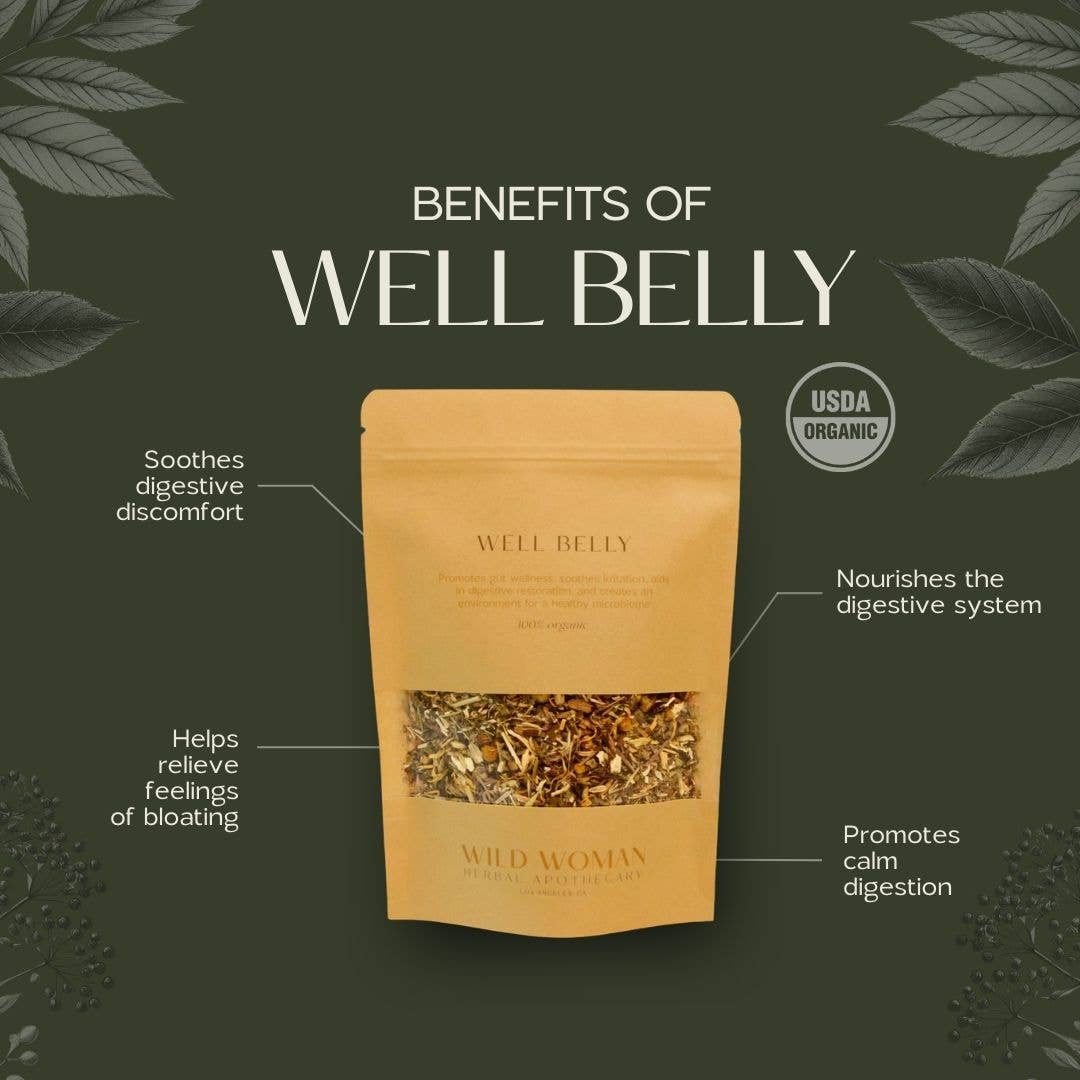
herbal support digestive comfort, gut nourishment, and relaxation.
Some bodies hold the weight of a long day in the belly first. This blend was made for that kind of woman — the one whose digestion has its own moods, who is tired of being told to eat differently and ready to tend to her gut the way her grandmothers tended to theirs. Marshmallow root. Plantain leaf. Calendula. Soothing plants from the old Western herbal tradition, steeped slowly into a daily tea for gut health and the long work of coming back to ease.
earthy · faintly sweet · cooling · slow · settling

Choose options


Well Belly
PRODUCT DETAILS
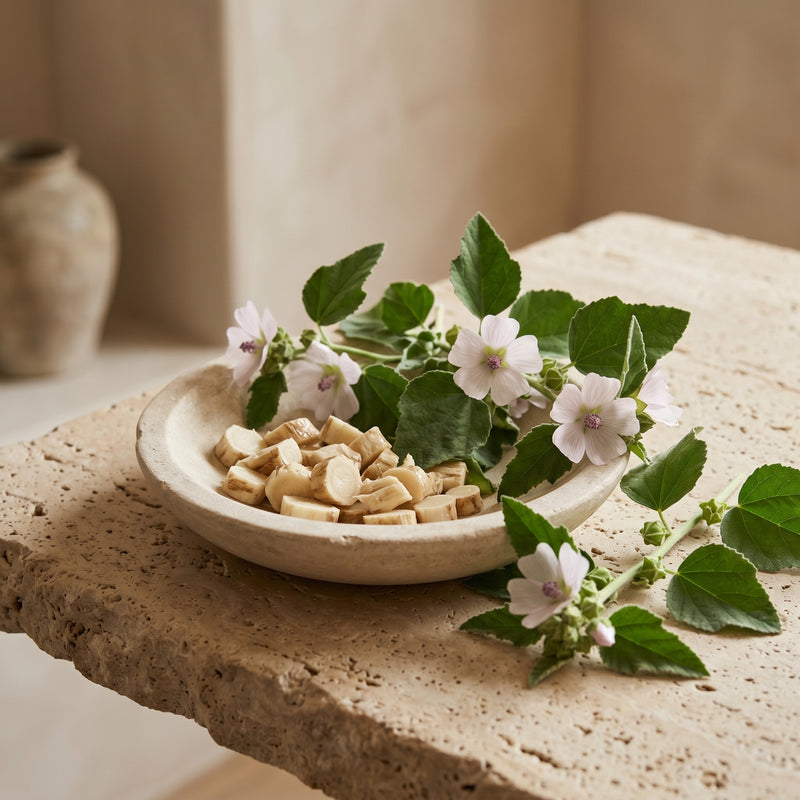
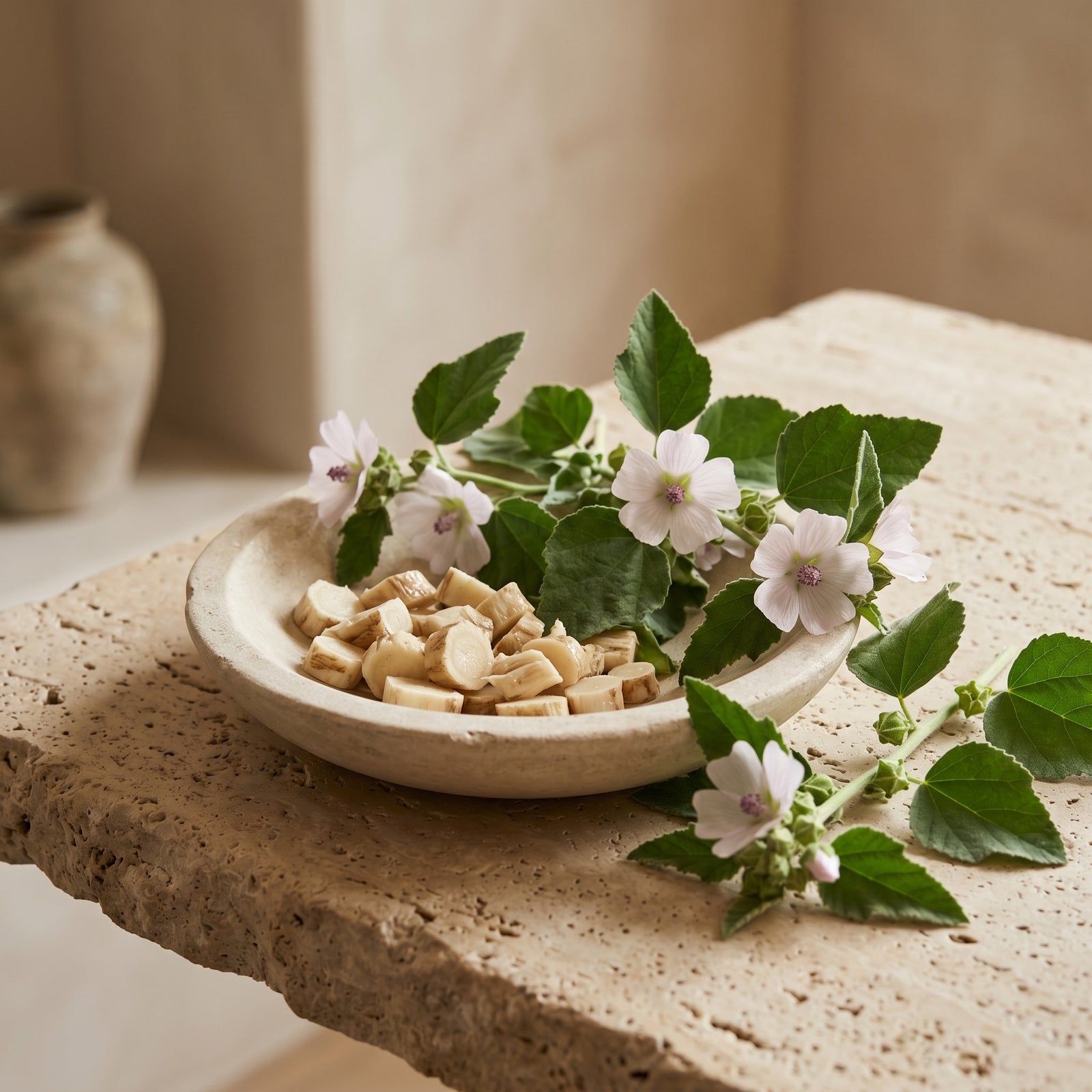
Marshmallow root is the quiet anchor of this formula. The Greek word for it — Althaea, "to heal" — names what generations of Western herbalists already knew about this root: that it coats and softens the places inside the body that have been worked too hard. When you steep it slowly, it releases a kind of plant silk into the water, and that silk is the medicine. It is the reason this tea feels different on the tongue and different in the belly.
Around the marshmallow root, the rest of the formula is built in three quiet layers. Plantain leaf and calendula support the integrity of the digestive tissue itself — both are tissue-soothing plants from the Western tradition that have moved in and out of common use over the centuries and are returning, in my practice, to the formulas where they belong. Licorice root adds another layer of demulcent character and a deep, rounded sweetness.
Then come the carminatives — fennel seed and peppermint leaf — for the bloated, gas-trapping end of a hard digestive day. And finally the nervines: chamomile, lemon balm, and wood betony, three plants I keep returning to for the place where the nervous system and the gut share a wire. Wood betony in particular is an old, almost-forgotten plant of the English countryside that the medieval herbalists trusted for exactly this — the body that holds its tension in the belly.
What this combination does that no single plant could do alone is hold the whole picture of digestive ease at once: the gut lining, the tissue, the bloating, and the nervous system that drives most of it. This is the soothing tradition, not the stimulating one. It is for the woman whose gut needs softening, not pushing.
Every component of this blend is left whole-leaf, because mucilage and aromatic oils do not survive the powdering process. The herbs are organic or seasonally wildcrafted, and the blend is hand-mixed in small batches in Los Angeles. This is a tea in the older sense of the word, made the way it has to be made to do its quiet work.
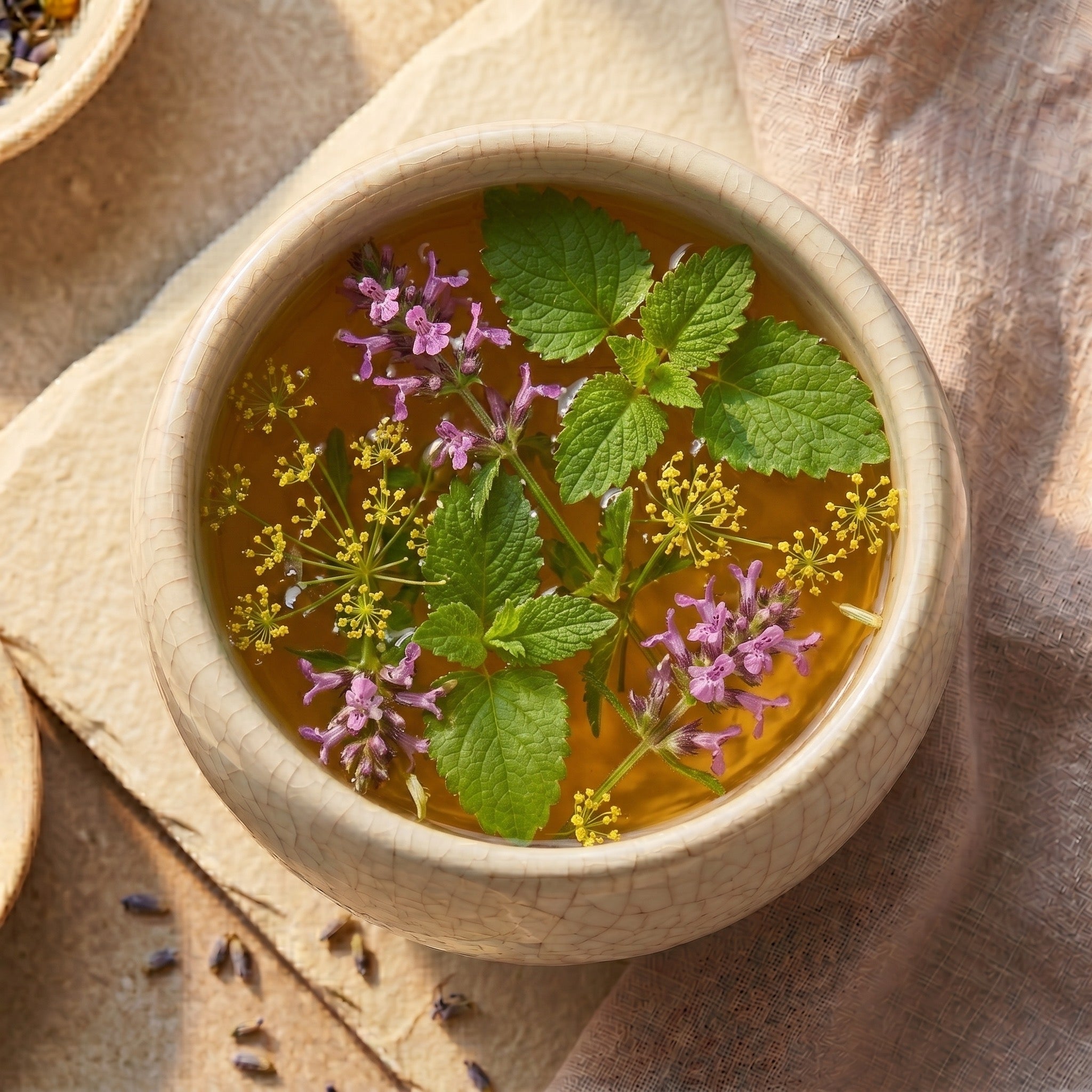
Steep one heaping tablespoon of the blend in a small teapot or infuser with eight ounces of hot water. Cover the cup while it steeps — the volatile aromatics of fennel and peppermint stay where you want them. Allow ten to fifteen minutes; marshmallow root softens slowly, and the longer steep is what makes the tea silky on the tongue. One to two cups daily, often after meals or in the unhurried part of the morning. The slowness is not a limitation. It is the point.
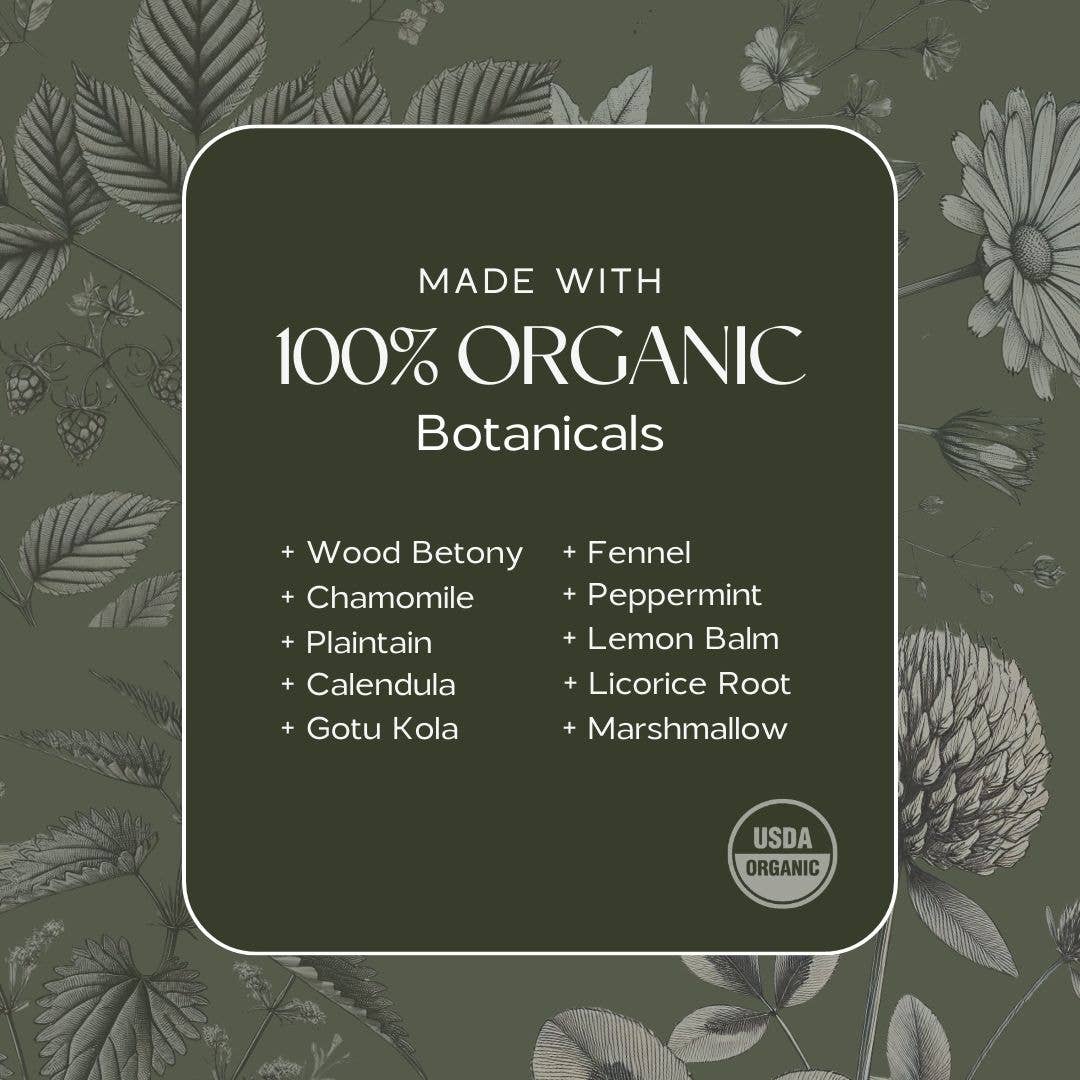
Marshmallow Root (Althaea officinalis) · Wood Betony (Betonica officinalis) · Plantain Leaf (Plantago lanceolata) · Calendula (Calendula officinalis) · Gotu Kola (Centella asiatica) · Chamomile (Matricaria chamomilla) · Lemon Balm (Melissa officinalis) · Licorice Root (Glycyrrhiza glabra) · Fennel Seed (Foeniculum vulgare) · Peppermint Leaf (Mentha × piperita)
All herbs are organic or ethically wildcrafted. Full plant profiles below.
The Plants
Marshmallow root is the quiet anchor of this formula. The Greek word for it — Althaea, "to heal" — names what generations of Western herbalists already knew about this root: that it coats and softens the places inside the body that have been worked too hard. When you steep it slowly, it releases a kind of plant silk into the water, and that silk is the medicine. It is the reason this tea feels different on the tongue and different in the belly.
Around the marshmallow root, the rest of the formula is built in three quiet layers. Plantain leaf and calendula support the integrity of the digestive tissue itself — both are tissue-soothing plants from the Western tradition that have moved in and out of common use over the centuries and are returning, in my practice, to the formulas where they belong. Licorice root adds another layer of demulcent character and a deep, rounded sweetness.
Then come the carminatives — fennel seed and peppermint leaf — for the bloated, gas-trapping end of a hard digestive day. And finally the nervines: chamomile, lemon balm, and wood betony, three plants I keep returning to for the place where the nervous system and the gut share a wire. Wood betony in particular is an old, almost-forgotten plant of the English countryside that the medieval herbalists trusted for exactly this — the body that holds its tension in the belly.
What this combination does that no single plant could do alone is hold the whole picture of digestive ease at once: the gut lining, the tissue, the bloating, and the nervous system that drives most of it. This is the soothing tradition, not the stimulating one. It is for the woman whose gut needs softening, not pushing.
The Lineage
Every component of this blend is left whole-leaf, because mucilage and aromatic oils do not survive the powdering process. The herbs are organic or seasonally wildcrafted, and the blend is hand-mixed in small batches in Los Angeles. This is a tea in the older sense of the word, made the way it has to be made to do its quiet work.
The Practice
Steep one heaping tablespoon of the blend in a small teapot or infuser with eight ounces of hot water. Cover the cup while it steeps — the volatile aromatics of fennel and peppermint stay where you want them. Allow ten to fifteen minutes; marshmallow root softens slowly, and the longer steep is what makes the tea silky on the tongue. One to two cups daily, often after meals or in the unhurried part of the morning. The slowness is not a limitation. It is the point.
The Formula
Marshmallow Root (Althaea officinalis) · Wood Betony (Betonica officinalis) · Plantain Leaf (Plantago lanceolata) · Calendula (Calendula officinalis) · Gotu Kola (Centella asiatica) · Chamomile (Matricaria chamomilla) · Lemon Balm (Melissa officinalis) · Licorice Root (Glycyrrhiza glabra) · Fennel Seed (Foeniculum vulgare) · Peppermint Leaf (Mentha × piperita)
All herbs are organic or ethically wildcrafted. Full plant profiles below.
Tasting Notes
Earthy · faintly sweet · cooling · soft on the tongue
Ritual Moment
After meals · the unhurried morning
Pairs With
Slow walks after meals · a warm hot water bottle · the unhurried morning
Energetics
Softening · settling · cooling
Tasting Notes
Earthy · faintly sweet · cooling · soft on the tongue
Ritual Moment
After meals · the unhurried morning
Pairs With
Slow walks after meals · a warm hot water bottle · the unhurried morning
Energetics
Softening · settling · cooling

Marshmallow Root
Marshmallow root grows tall in damp, generous soil — in the old kitchen gardens, along ditches, near water. Its Greek name, Althaea, means "to heal," and it has carried that name through every European herbal tradition I have studied, from the Greek physicians to the English wise women to the Eclectic herbalists of the American 1800s. The root holds a mucilaginous quality that releases when you steep it slowly in water — a plant silk that has always been the herbalist's first reach for the body that needs softening rather than stimulating. I think of marshmallow as a plant that does not demand anything of the body. It simply offers itself.
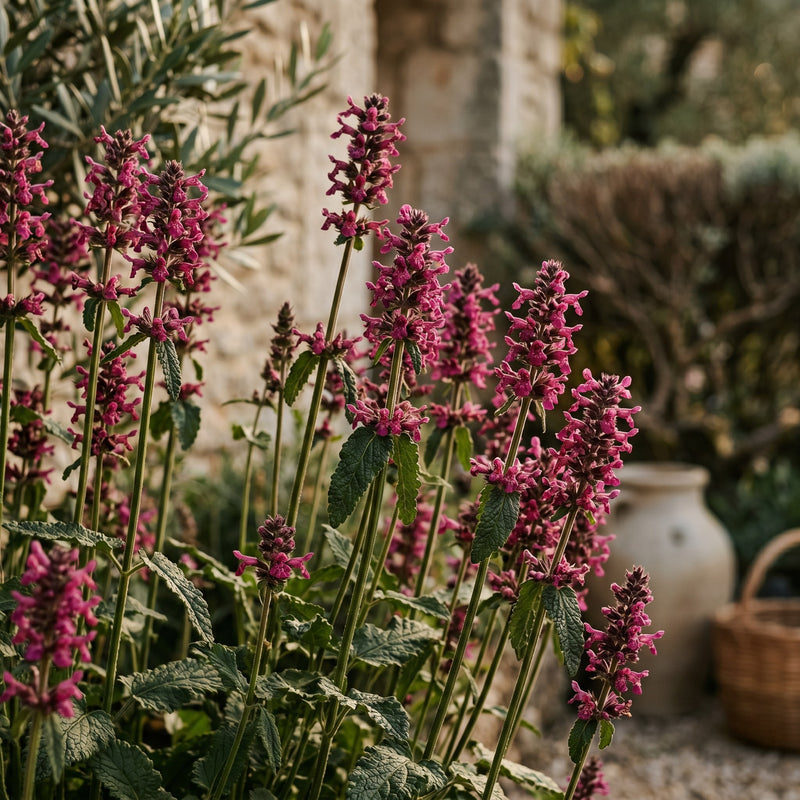
Wood Betony
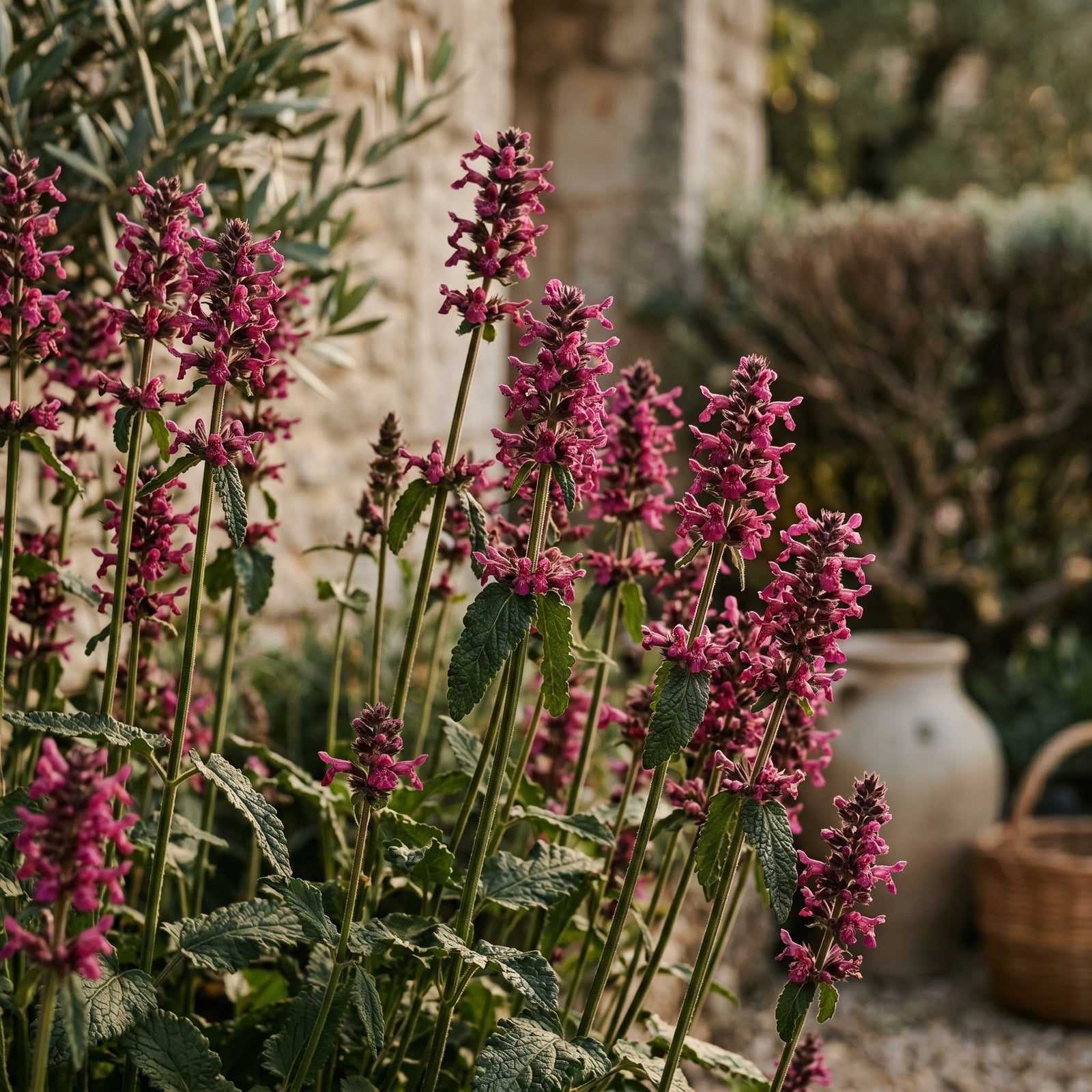
Wood betony is one of the great almost-forgotten plants of Western herbalism. In medieval England it was so trusted that there was a saying — "sell your coat, buy betony" — and the medieval herbalists reached for it for the belly and the nervous system both, which is exactly the territory where I find it most useful today. It grows wild in hedgerows and along the edges of old woods. The plant has a long association with the place inside the body where digestion and tension meet, where the gut tightens in response to the nervous system long before the mind has named what is happening. I keep returning to it for the woman whose digestion is reactive to her life — not because the food is wrong, but because the body is holding something the food cannot account for.
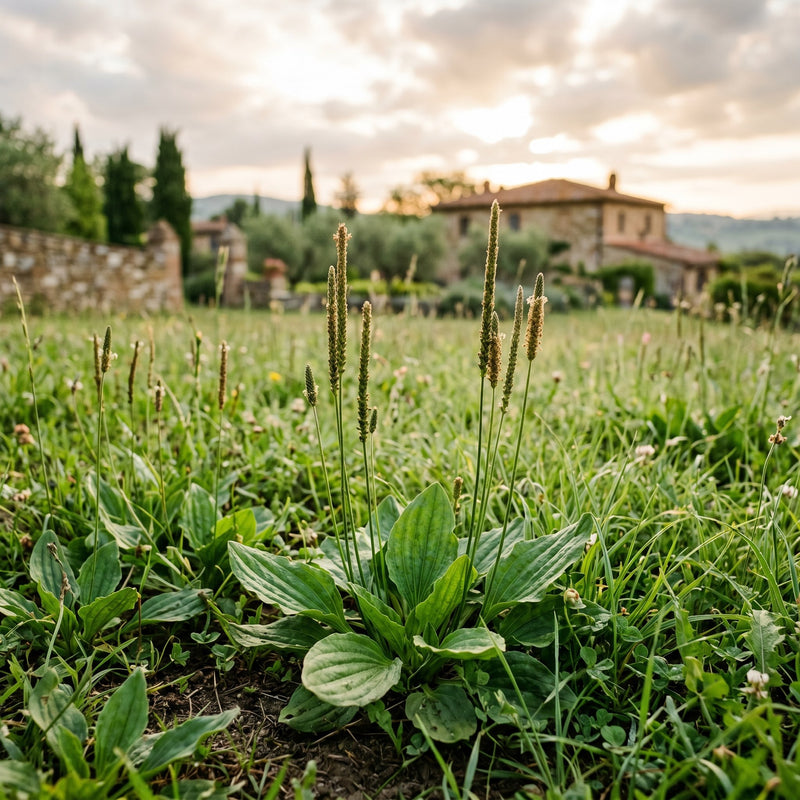
Plantain Leaf
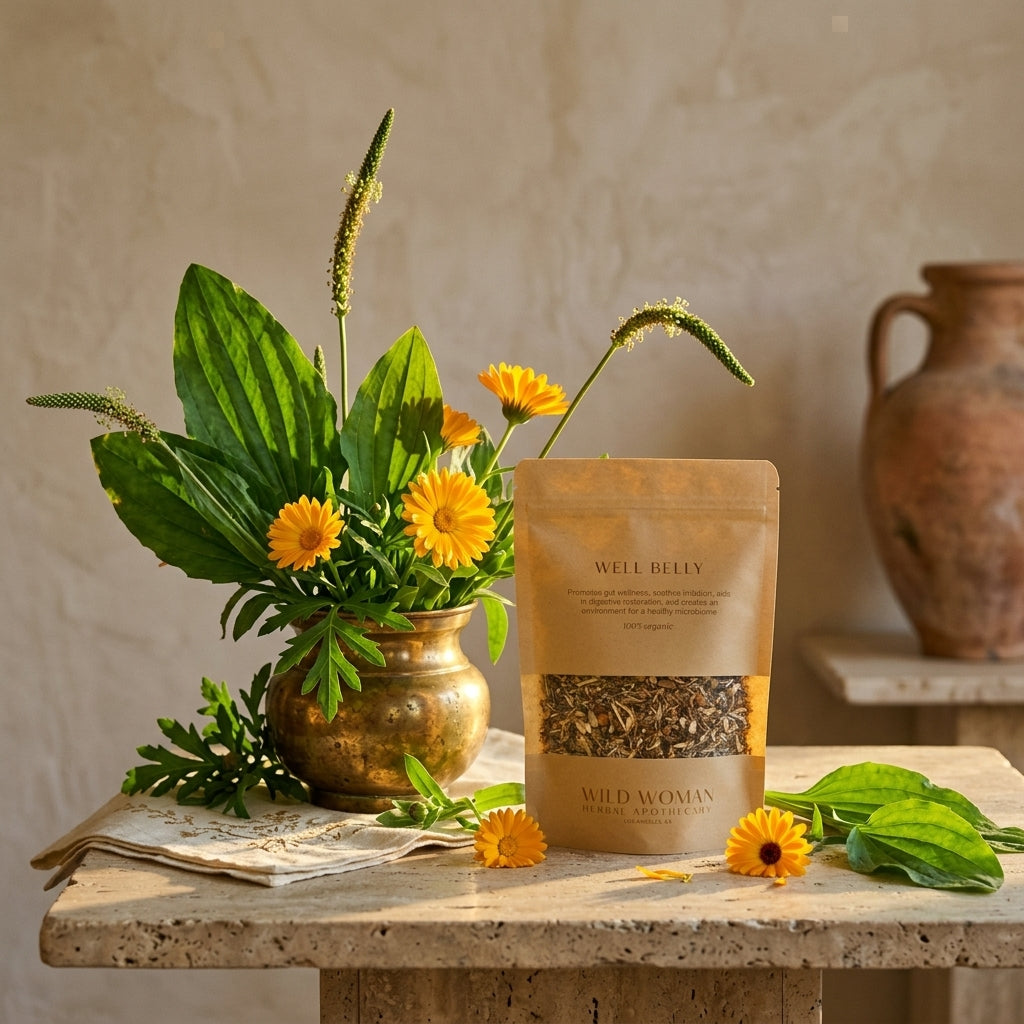
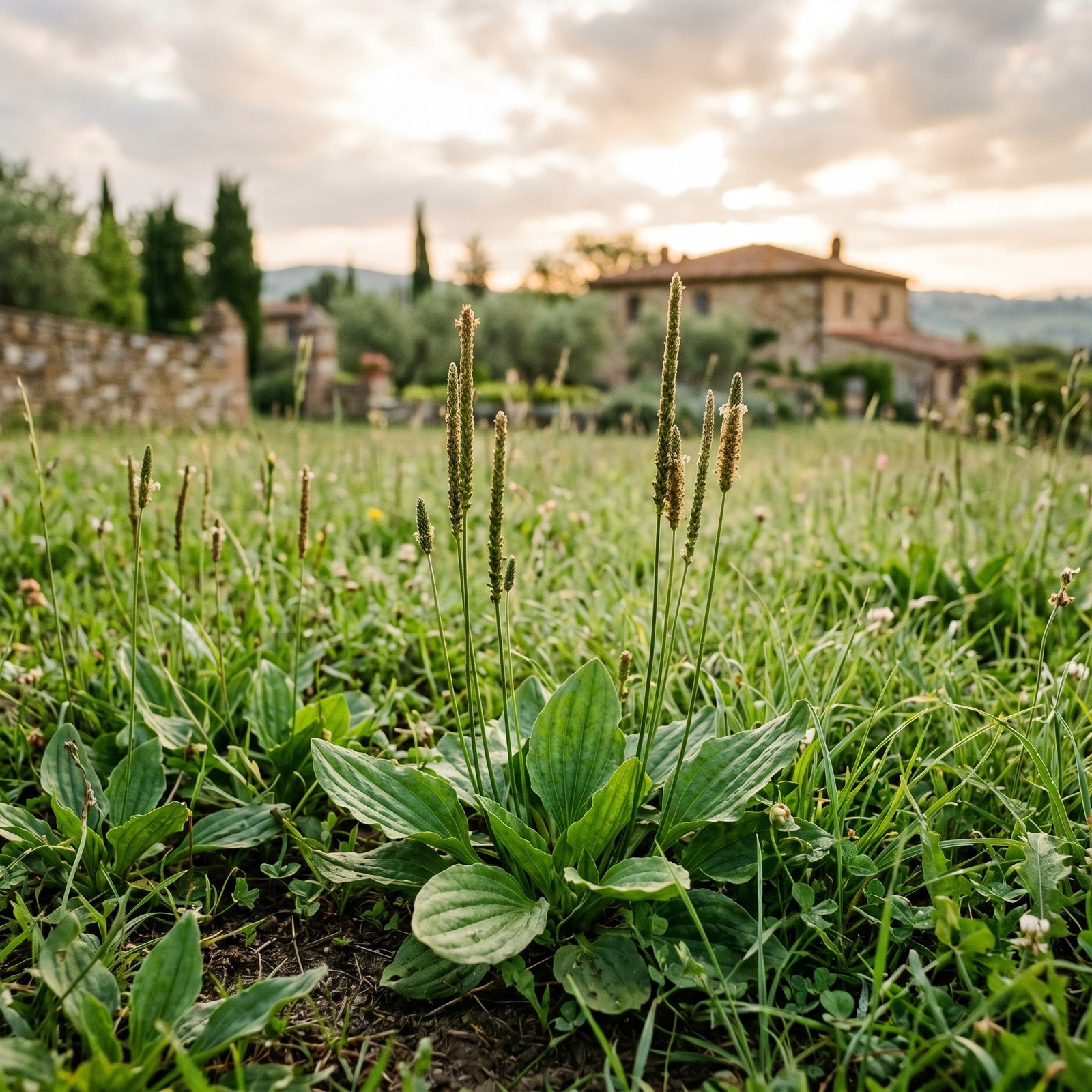
Plantain leaf is everywhere, and most people have never noticed it. It grows in lawns and along sidewalks and through cracks in concrete — one of the most generous and overlooked plants of the temperate world. Most modern herbalists know plantain as a wound herb for the skin. But the older Western tradition used it just as readily for the inside of the body, for the same reason it works on the outside: it soothes tissue. It is one of the plants I reach for when I want to support the integrity of the digestive tract itself, not push the gut to do something, but help the tissue along its own quiet repair. Plantain has always taught me that the most ordinary plants are often the ones doing the deepest work.
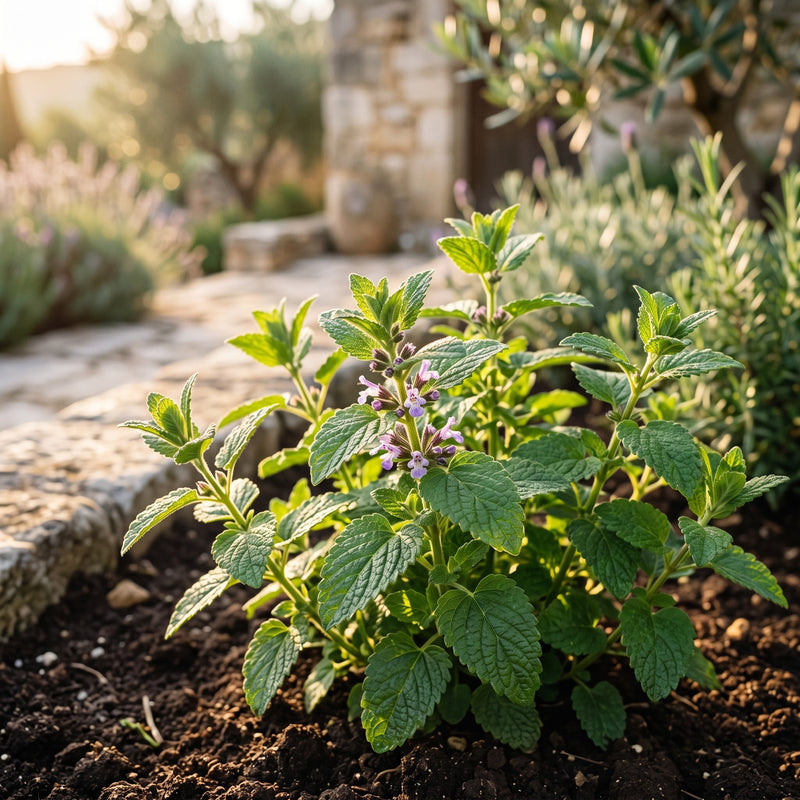
Lemon Balm
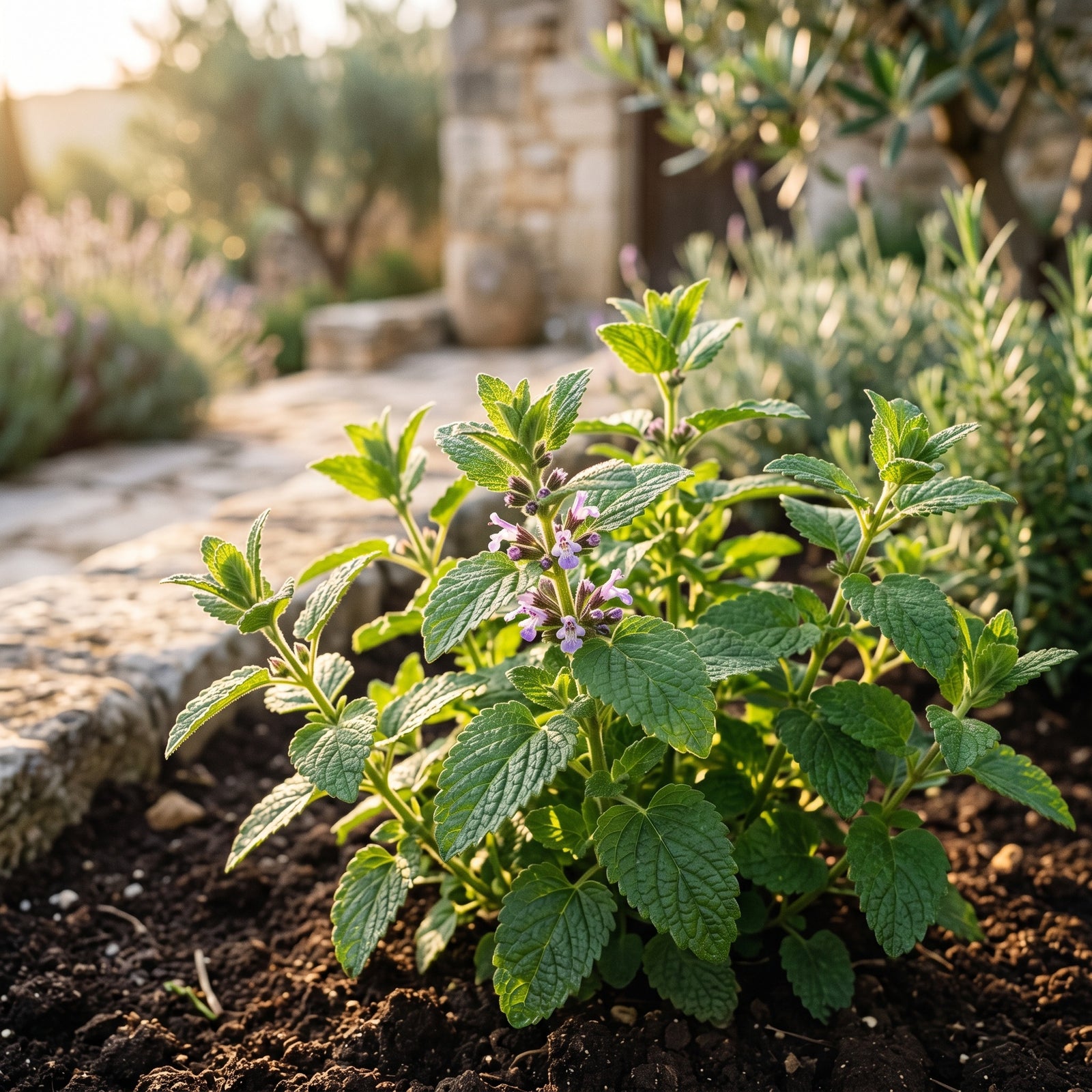
Lemon balm has been growing in monastery and kitchen gardens for at least two thousand years. Avicenna wrote about it for the heart and the spirit, and the medieval European herbalists kept it close for the same reasons. In this formula, lemon balm is here for the gut-brain wire. There is an old understanding in herbalism that the belly and the nervous system speak the same language, and lemon balm is one of the plants that speaks to both at once. When I work with women whose digestion shifts with their stress, whose belly tightens before they have named the feeling, this is one of the first plants I bring in. The leaf carries a soft citrus note that lifts the whole blend. It is the brightness inside the soothing.

Marshmallow Root
Marshmallow root grows tall in damp, generous soil — in the old kitchen gardens, along ditches, near water. Its Greek name, Althaea, means "to heal," and it has carried that name through every European herbal tradition I have studied, from the Greek physicians to the English wise women to the Eclectic herbalists of the American 1800s. The root holds a mucilaginous quality that releases when you steep it slowly in water — a plant silk that has always been the herbalist's first reach for the body that needs softening rather than stimulating. I think of marshmallow as a plant that does not demand anything of the body. It simply offers itself.

Wood Betony
Wood betony is one of the great almost-forgotten plants of Western herbalism. In medieval England it was so trusted that there was a saying — "sell your coat, buy betony" — and the medieval herbalists reached for it for the belly and the nervous system both, which is exactly the territory where I find it most useful today. It grows wild in hedgerows and along the edges of old woods. The plant has a long association with the place inside the body where digestion and tension meet, where the gut tightens in response to the nervous system long before the mind has named what is happening. I keep returning to it for the woman whose digestion is reactive to her life — not because the food is wrong, but because the body is holding something the food cannot account for.

Plantain Leaf
Plantain leaf is everywhere, and most people have never noticed it. It grows in lawns and along sidewalks and through cracks in concrete — one of the most generous and overlooked plants of the temperate world. Most modern herbalists know plantain as a wound herb for the skin. But the older Western tradition used it just as readily for the inside of the body, for the same reason it works on the outside: it soothes tissue. It is one of the plants I reach for when I want to support the integrity of the digestive tract itself, not push the gut to do something, but help the tissue along its own quiet repair. Plantain has always taught me that the most ordinary plants are often the ones doing the deepest work.

Lemon Balm
Lemon balm has been growing in monastery and kitchen gardens for at least two thousand years. Avicenna wrote about it for the heart and the spirit, and the medieval European herbalists kept it close for the same reasons. In this formula, lemon balm is here for the gut-brain wire. There is an old understanding in herbalism that the belly and the nervous system speak the same language, and lemon balm is one of the plants that speaks to both at once. When I work with women whose digestion shifts with their stress, whose belly tightens before they have named the feeling, this is one of the first plants I bring in. The leaf carries a soft citrus note that lifts the whole blend. It is the brightness inside the soothing.
The Ritual
Practices that support the plants

Honor Yourself
Five Flavors Practice

In Traditional Chinese Medicine, the five flavors (sour, bitter, sweet, pungent, salty) correspond to specific organ systems that benefit from them: sour nourishes the Liver, bitter the Heart, sweet the Spleen, pungent the Lungs, salty the Kidneys. The practice of deliberately attending to which flavor the body is craving at each meal, not as a dietary protocol but as a practice of reading cravings as organ intelligence. The body that craves sour may be asking for Liver support; the body that craves bitter may be asking for Heart attention.

Return to the body
Seated Spinal Twist

The Iyengar therapeutic tradition specifically prescribes seated spinal twists for digestive health. The twists literally compress and release the digestive organs, stimulating peristalsis and lymphatic flow through the abdominal cavity. The accessible therapeutic application: seated on a folded blanket, one knee bent with the foot on the floor, the other leg extended, torso rotating toward the bent knee with one arm wrapped or extended. Held for five to seven breaths. Different from and significantly more specific than generic seated twists.

Remember the earth
Foraging Awareness

Not foraging for a meal: learning to identify one wild edible or medicinal plant in a specific area (dandelion, plantain, nettles, lamb's quarters) and observing its relationship to the quality of soil it grows in, what other plants it keeps company with, what it communicates about the health of that piece of earth. From the tradition of plant relationship as foundational to digestive intelligence and food sovereignty. The woman who knows where dandelion grows in her neighborhood begins to understand her food supply as a living, responsive system.

Rooted in Lineage. Made with Reverence.
This is medicine in the oldest sense of the word: plant wisdom, carefully tended, passed forward with care.

Jasmine's Note
I didn't fully understand what I'd inherited until my own body started asking questions that medicine couldn't answer. Hormonal chaos, long seasons of depression, the particular exhaustion of feeling disconnected from yourself. I remembered the whisperings. I turned back toward the plants. Everything in this apothecary came from that turning — things I made for myself first, and then for the women in my life who needed the same. I offer them to you the way my grandmother offered what she knew: as a hand extended, as something real.
-Jasmine
Frequently Asked Questions
What is the best herbal tea for gut health?
A good herbal tea for gut health is one built on demulcent plants — herbs that soothe and coat the digestive tract rather than push it. In my practice, that means a marshmallow root base, with plantain leaf and calendula for tissue integrity, licorice root for additional softening, and a small layer of carminatives like fennel seed and peppermint to ease bloating after meals. Well Belly is the formula I make for women who are tired of the bitters-and-ginger approach and ready to support the gut in the older Western tradition of softening it back to ease. The whole blend is rooted in plants that have been used for centuries to soothe, nourish, and return the digestive system to its quieter rhythm.
What is marshmallow root good for?
Marshmallow root has been used for centuries in Western herbal tradition to soothe and support the digestive tract, the throat, and any tissue in the body that responds to a gentle, coating plant. The root contains a mucilaginous quality — a kind of plant silk — that releases when steeped slowly in water, and that quality is what generations of herbalists have reached for when the body needs softening rather than stimulating. The Greek name for the plant, Althaea, comes from a word meaning "to heal," which gives a sense of how long this root has been trusted. In a tea like Well Belly, marshmallow root is the quiet base — the plant the rest of the formula is built around.
What does plantain leaf do for digestion?
Plantain leaf is one of the great quiet workhorses of Western herbal medicine — most modern herbalists know it as a topical wound herb for the skin, but the older tradition used it just as readily for the inside of the body, for the same reason it works outside: it soothes tissue. In digestion specifically, plantain leaf supports the integrity of the digestive tissue and pairs naturally with marshmallow root in a soothing formula like Well Belly. The plant grows almost everywhere — lawns, sidewalks, the edges of paths — and that ubiquity is part of its character. Plantain is one of those plants that teaches you the most ordinary herbs are often the ones doing the deepest work.
What is the difference between a digestive bitter and a demulcent herbal tea?
A digestive bitter and a demulcent herbal tea sit at opposite ends of the Western herbal digestive tradition. Bitters — like dandelion root, gentian, or burdock — work by stimulating the digestive system, encouraging the body to produce more digestive juices and move things along. Demulcents — like marshmallow root, licorice root, and plantain leaf — work by soothing and coating, supporting the gut lining itself rather than pushing the system harder. Well Belly is a demulcent-led herbal tea for gut health, designed for the woman whose digestion needs softening and tissue support, not more stimulation. Both traditions are valuable. Which one a body needs depends on what it is asking for, and many women find that bitters feel too much when what their gut actually needs is to be tended quietly over time.
What herbs are good for the gut and nervous system together?
Some of the most useful plants for digestion are also plants for the nervous system, because the gut and the nervous system share a wire — what the body holds emotionally is often what the belly holds physically. In Well Belly, the plants that bridge both territories are Lemon Balm (Melissa officinalis), Chamomile (Matricaria chamomilla), and Wood Betony (Betonica officinalis). All three are traditional Western nervines that also act as carminatives, easing the place where stress and digestion meet. Lemon balm in particular is one of the plants I reach for first when a woman tells me her digestion changes with her stress. The gut-brain connection isn't a new idea — herbalists have understood it for centuries. We just have new vocabulary for what the plants already knew.
Is this herbal tea safe to drink every day, and is it safe during pregnancy?
Well Belly is a soothing herbal tea built for daily, long-term use — most women drink one to two cups a day, often after meals, and find it becomes a foundational ritual for gut comfort over time. The formula is gentle, demulcent-led, and traditionally well-tolerated. That said, this blend contains Licorice Root (Glycyrrhiza glabra) — which is a beautiful demulcent for the gut but is not typically recommended during pregnancy or for women managing high blood pressure. We always recommend checking with your healthcare provider before beginning any new herbal practice, especially if you are pregnant, nursing, taking medication, or working with a specific condition. The plants are generous, and they work most beautifully alongside someone who knows your whole picture.
A Note on Plant Medicine
Plants are powerful — and like any potent thing, they deserve to be used with care and knowledge. These formulas are crafted with intention, but they are not a substitute for medical guidance. Before beginning a new herbal practice, we encourage you to speak with your healthcare provider, especially if you are pregnant, nursing, trying to conceive, managing a health condition, or taking prescription medication. Wild Woman products are not intended to diagnose, treat, cure, or prevent any disease.
Stay close to the apothecary
THE LETTER
Herbal rituals for every season of womanhood
Sent four times a year, when the season turns. Plant wisdom, notes from the bench, and first word on small batches. No promotions, no urgency.
SMALL BATCH
Made by hand in our Los Angeles apothecary
WILDCRAFTED & ORGANIC
Herbs gathered seasonally or grown by farmers we trust
CRAFTED SLOWLY
Each formula prepared slowly, never faster than the plants allow
ROOTED IN LINEAGE
In the tradition of the women who have come before us